
Viking Giants and Nephilim: Key Points
-
The Nephilim of biblical tradition were forbidden offspring of divine-human unions, while the jötnar of Norse mythology were primordial beings who existed before the gods themselves.
-
The Nephilim represented transgression requiring divine judgment, whereas the jötnar maintained complex relationships with Norse gods involving both conflict and cooperation, including intermarriage.
-
Both beings explained disorder in their cultures, with the Nephilim blamed for human corruption and the jötnar personifying destructive natural forces threatening civilization.
-
Folklore transformed the Nephilim into enormous beings whose spirits became demons, while Norse traditions developed detailed narratives about individual jötnar possessing magical wisdom and prophetic powers.
-
The Nephilim were destroyed in the biblical Flood as divine judgment, while the jötnar participate in Ragnarök as inevitable cosmic fate where both gods and giants perish before renewal.
-
Both the Nephilim and jötnar continue to influence literature, film, and popular culture, speaking to fundamental human concerns about power, transgression, and the boundaries between order and chaos.

Introduction
There were many stories in the ancient world about beings who lived on the edge of the divine and mortal worlds. These beings’ very existence challenged the way things were made. The Nephilim from the Bible and the jötnar from Norse mythology are two of the most intriguing liminal beings. They both had complicated roles in their cosmologies. Even though they come from different places, cultures, and religious beliefs, these beings have a lot in common when it comes to their origins, their relationships with divine powers, and their roles as catalysts for cosmic change.
Overview
The Nephilim and jötnar’s origins show both cultures’ fears of the sacred and profane divide. Genesis 6:1-4 says that the Nephilim were the children of the “sons of God” (bene elohim) and the “daughters of men.” This marriage was a forbidden union that broke the line between heavenly and earthly spheres. The jötnar, on the other hand, were not the result of divine-human mixing. They were primordial beings that existed before the gods and came from the ancient void of Ginnungagap and the body of the first giant, Ymir. The Nephilim symbolized a distortion of divine order via improper reproduction, whereas the jötnar personified the primal, unrestrained forces of nature that existed prior to civilization and cosmic order.
The connection between these enormous figures and the divine communities they belong to shows that there are very different theological structures at work. The bene elohim who fathered the Nephilim committed a serious sin, according to the Bible. This sin led God to decide to cleanse the earth with the Flood. The jötnar, on the other hand, had a much more complicated and unclear relationship with the Æsir and Vanir gods of Norse mythology. The gods and giants weren’t enemies all the time; they fought, worked together, married, and traded with each other in a complicated way. Odin was the grandson of a giant, and many gods married giants, which made the lines between these two groups less clear in ways that are impossible to understand in the biblical context.
The cultural roles of these beings in their stories show how different cultures used them to explain chaos and danger. The Nephilim were used to explain why there was so much evil that led to the Flood. They were said to be the cause of human corruption and violence. In post-biblical Jewish traditions, especially in texts like 1 Enoch, the Nephilim were more and more linked to teaching people forbidden knowledge, like how to use weapons, cosmetics, and magic, as well as other arts that led people astray. The jötnar were a constant threat to the gods’ fragile order, representing destructive natural forces like avalanches, earthquakes, harsh winters, and volcanic eruptions that could destroy the world of gods and humans alike.
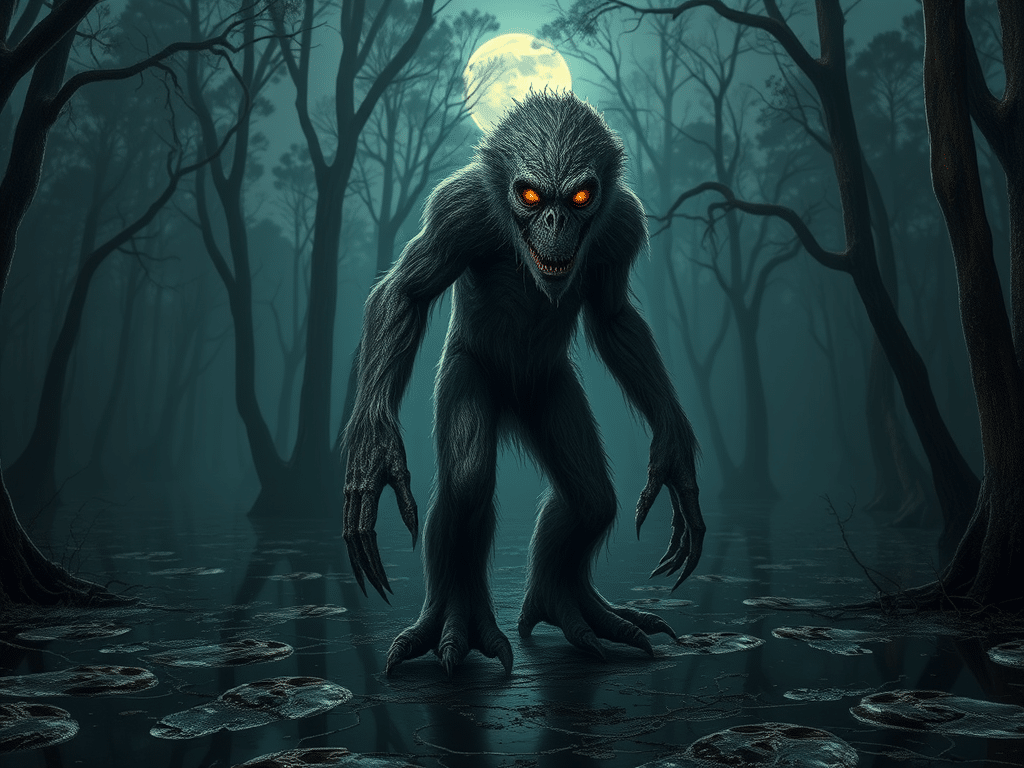
Folklore and legend elaborated on these figures, illustrating their grip on the collective imagination. In Jewish apocryphal literature, the Nephilim attained colossal dimensions, with certain traditions asserting they reached heights of hundreds of feet and ultimately resorted to cannibalism when conventional nourishment was inadequate. The Book of Enoch tells the story of the Watchers, the angels who fathered the Nephilim. They were punished and tied up until the final judgment. Their giant children were killed in the Flood, but their spirits lived on as demons. Norse mythology created long stories about individual jötnar, giving them unique personalities, families, and domains. Figures like Þjazi and Þrymr became the focus of detailed mythological stories that looked at the ongoing conflict between order and chaos.
The function of these entities in their respective eschatological frameworks illustrates the most pronounced similarity between the two traditions. The biblical Flood destroyed the Nephilim as a punishment from God for corruption and as a way to restore moral order. However, the Bible says that similar beings may have appeared again afterward, as Numbers 13:33 says that the Israelite spies saw “Nephilim” in Canaan. The jötnar are a big part of Ragnarök, the Norse apocalypse. They break free from their realm and attack Asgard with other forces of chaos. In this last battle, both gods and giants die, and the world is destroyed by fire and flood before being reborn clean and new.

Analysis
These beings’ mythologies distinguish them from others by endowing them with intellectual and magical powers. The Enochian literature says that the Watchers and their Nephilim children taught people astronomy, metalworking, herbalism, and different kinds of divination and sorcery. Such an act was seen as a break in the proper divine order. People also thought that the jötnar were wise and magical, especially the dangerous and illegal kinds of seiðr magic that Odin learned from them. Odin gave up an eye to drink from the giant Mímir’s well of wisdom. The giantess Gunnlöð protected the mead of poetry that Odin stole with trickery and seduction.
The connection between these mythological figures and ideas about divine justice shows that there are very different ways of approaching God. In the biblical story, the Flood that wiped out the Nephilim was God’s fair punishment for corruption, a cosmic cleansing that followed strict moral rules. Instead of being considered divine judgment, Ragnarök was considered an inevitable fate, a cosmic cycle in which both gods and giants would die. The Norse view did not stress moral causation as the Bible does; the apocalypse would happen not because of evil but because it was wyrd, or “that which must be.” This difference shows how people understand cosmic order, divine will, and the link between power and morality in different ways.
The impact of these mythological figures on subsequent literature and culture illustrates their lasting significance in the human psyche. The Nephilim became crucial in many secret and occult traditions. They showed up in everything from medieval grimoires to modern fantasy books, and they are still showing up in movies, books, and video games today. The jötnar also had a big impact on many works of literature, like Wagner’s operatic Ring Cycle and Marvel’s comic books and movies, where the frost giants of Jötunheimr threaten the universe. Both groups of beings have shown that they can change quickly. Their basic nature—powerful beings who go against divine order—speaks to long-standing human worries about authority, power, and the fine line between order and chaos.
The comparative analysis of these entities reveals essential distinctions in the conceptualizations of cosmic order and the divine within Hebrew and Norse cultures. The biblical worldview depicted a God who fashioned the cosmos through will and word, instituting explicit boundaries and moral laws that must not be breached, with the Nephilim symbolizing a transgression necessitating significant divine intervention. Norse cosmology, on the other hand, didn’t start with nothingness; it started with two opposing forces interacting in the void of Ginnungagap, where the first giant came from. The gods created order from the body of this primordial giant, which means that chaos and order, giants and gods, were always mixed up with each other instead of being completely opposed.
Conclusion
In conclusion, the Nephilim from the Bible and the jötnar from Norse mythology are very similar in many ways, even though they come from very different cultures. These similarities shed light on universal human concerns about limits, breaking the law, and cosmic change. The Nephilim, born from illicit unions between divine and human, exemplified corruption that required the Flood’s purifying judgment; conversely, the jötnar, primordial entities predating the gods, symbolized the chaotic forces destined to engage in Ragnarök’s apocalyptic renewal. The differences between these figures are just as useful, as they show how Hebrew and Norse cultures thought about divine power, moral order, and the connection between civilization and the wild. The lasting interest in the Nephilim and the jötnar in books, movies, and pop culture shows that these old figures still have something to say about important issues like power, breaking the rules, and the thin line that separates order from chaos.
References
The Bible. (Various dates). Genesis 6:1-4; Numbers 13:33.
The Bible. (Various dates). Baruch [Deuterocanonical book].
Blake, W. (1757-1827). [Works referenced regarding Nephilim].
The Book of Enoch (1 Enoch). (c. 300-100 BCE). [Ancient Jewish apocalyptic text].
The Book of Jubilees. (c. 160-150 BCE). [Ancient Jewish religious text].
Milton, J. (1667). Paradise lost. Samuel Simmons.
Völuspá. (10th-13th century). [Old Norse poem from the Poetic Edda].
Wagner, R. (1848-1874). Der Ring des Nibelungen [The Ring Cycle]. [Operatic cycle based on Norse and Germanic mythology].


Leave a Reply