
Types of Demons: Key Points
-
Demons are malevolent supernatural entities found across cultures, often described as fallen angels operating in hierarchies.
-
Tempter demons work subtly to corrupt morals by exploiting weaknesses and making evil appear attractive.
-
War demons embody violence and rage, inflaming passions and driving humans toward aggression and brutality.
-
Trickster demons operate through deception and illusion, creating chaos and making reality uncertain.
-
Possession demons seek direct control of human bodies and require exorcism by trained authorities.
-
Demon classifications reflect humanity’s attempt to understand different forms of spiritual danger and evil.

Introduction
Demons have been important in religious, supernatural, and folkloric stories for a very long time and in many different societies. Most of the time, stories depict these evil supernatural beings as intent on harming people, causing chaos, or diverting people from moral paths. Different religions and cultures have very different ideas about what demons are and how they should be categorized. However, there are some general ideas that all of these ideas agree on: each of these ideas represents a different kind of spiritual danger and mental temptation.
According to magical stories, demons are supernatural beings that live between the physical and spiritual worlds. They are often called fallen angels, corrupted spirits, or the first forces of evil. People think that these things have knowledge and will, which sets them apart from mindless natural forces or simple evil energies. Paranormal experts and demonologists have tried to classify these beings by their actions, powers, and the harm they cause. The study of demons in supernatural settings uses old spell books, religious texts, folklore, and accounts of meetings with demons from all over history. According to many beliefs, demons are organized into hierarchies, with stronger demons leading groups of weaker demons. For demons to fully manifest in the physical world, they need certain circumstances or invitations.
Tempter Demons
Tempter demons are probably the sneakiest because they work to corrupt people’s minds without making dramatic supernatural shows. Instead, they slowly destroy people’s morals. People say that these demons carefully study their victims to find flaws, wants, and openings that they can use in the future. They whisper ideas that at first seem reasonable. They get people to make small concessions that lead to bigger sins, slowly eroding their moral foundation until they are far from their original values. Tempter demons are dangerous because they are patient and can make evil things look good or even appealing. They could promote greed by calling it desire, lust by calling it love, or pride by calling it self-respect. Many traditions say that these demons’ biggest wins aren’t through force but through getting their victims to do what they want. The victims think they are making their own decisions, but they are actually being carefully led to spiritual death.
From the beginning of their stories in Western Christian religious lore, demons were mostly considered evil spirits who tried to tempt people. They were often described as evil servants of the devil who did what God told them to do (Ruys, 2012). A big change happened, though, between the 12th and 13th centuries. Demon tempters stopped being considered abstract and started being considered passionate beings who had a personal stake in what they did (Ruys, 2012). This change was caused by bigger changes in theology. For example, William of Auvergne’s work in scholastic philosophy and theology said that demons are basically tempters, but they must also have emotional reasons, like envy and the desire for sin, for wanting people to break the law (Ruys, 2012). This move toward showing demons as emotionally complex beings was different from how they had been portrayed before, and it set the stage for more complex ideas about demonic agency in the centuries that followed.
During the Protestant Reformation, ideas about the devil’s actions underwent significant changes. During this time, Protestant demonology focused on the idea of temptation as the most important thing the devil does, almost overshadowing everything else (Johnstone, 2004). The Reformation highlighted a difference between the academic study of “demonology” in witch-texts and a wider concept of “demonism” in which temptation was seen as the main evil force (Johnstone, 2004). Protestants saw temptation as an unavoidable part of living a holy life. They saw it as a sign of election and thought they could deal with it within a soteriological framework (Johnstone, 2004). This religious framework changed temptation from a completely bad thing to a strange sign of spiritual maturity, which totally changed how Christians dealt with demonic influence.
War Demons
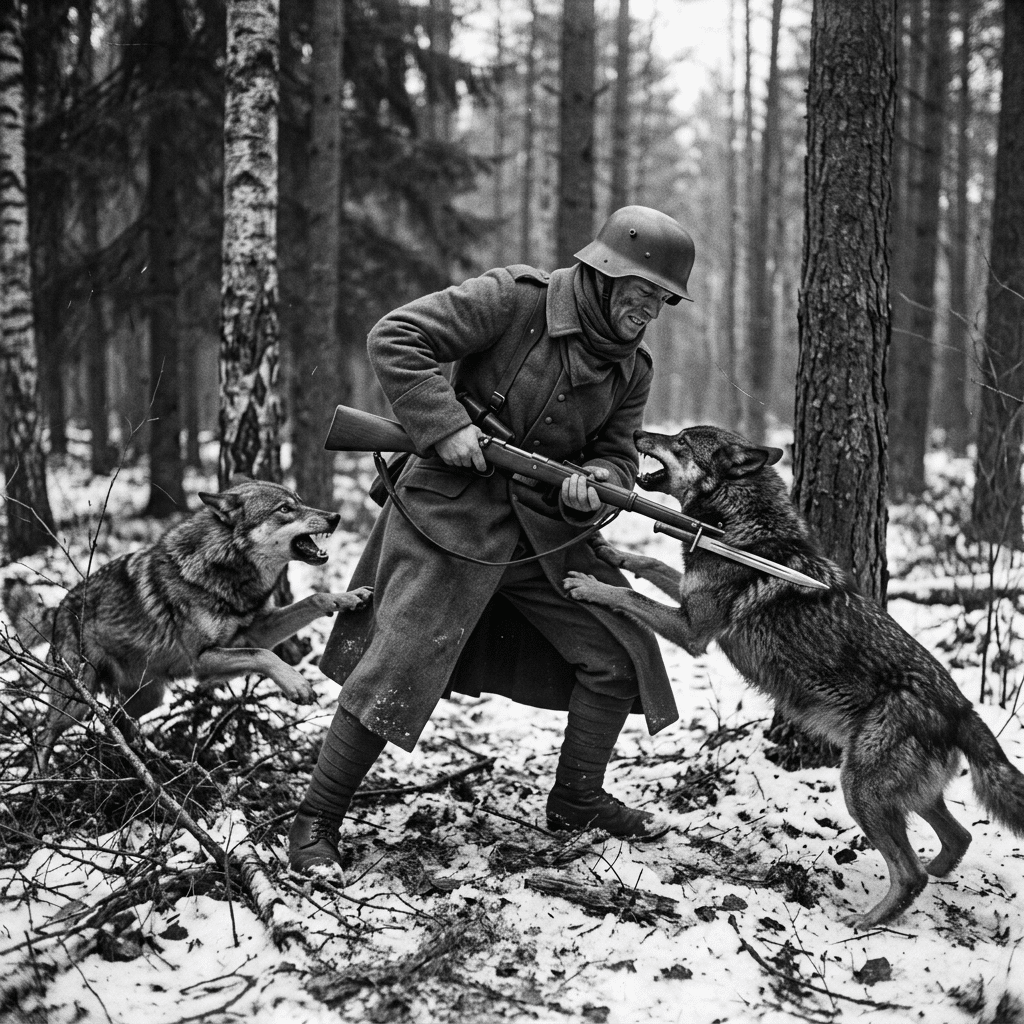
War demons are pure violence, rage, and the destructive parts of conflict. They feed on killing and chaos and urge people to be violent and aggressive. War demons are thought to directly stir up passions, turning small disagreements into dangerous conflicts and peaceful people into violent tools. Their approach is different from tempter demons, who work by subtly manipulating people. People say that these beings are especially busy when there is war, drawing power from the fear, hatred, and suffering that war causes. Different cultures have stories about war demons showing up on battlefields and forcing soldiers to do horrible things they would never have thought of doing in calm. Not only are they linked to large-scale war, but also to personal violence, street crime, and any other situation where anger turns violent. Many traditions say that war demons can take over weapons or places where terrible violence happened, turning them into cursed items or ghost battlefields that make people more violent long after the fighting is over.
This use of demon imagery goes beyond religious settings and is found in current military and political speech as well. You can find out what part demons play in US war culture by looking at where the Devil came from in the national psyche and how America has portrayed its enemies throughout history (Ivie & Giner, 2015). American military missions are often like a mythical cycle in which the Devil keeps coming back and needs to be slain through acts of war, even if they hurt democratic values (Ivie & Giner, 2015). In US war culture, devil imagery has been used to excuse conflicts, such as by calling “evildoers, witches, Indians, dictators, and Reds” evil (Ivie & Giner, 2015, p. [page number]). For example, this trend shows how old theological ideas still affect political speech and military action today.
In 1692, witch trials in Salem showed a link between images of demons and conflict that goes back a long way. This link must be understood in light of the area’s history with Indian wars, which suggests a link between war and ideas of an evil plot (Frankfurter, 2018). Demonology has its roots in the idea that bad luck can be understood by looking at the order or geography of demons (Frankfurter, 2018). These patterns show that there has always been a “myth of evil conspiracy,” which includes images of organized, fake religious evil and demonic practices (Frankfurter, 2018).

Trickster Demons
Trickster demons use lies, illusions, and purposeful confusion to get what they want. This makes them some of the most unpredictable and hard to fight creatures in the demonic hierarchy. These beings enjoy making chaos just for the sake of it, and it’s not always clear what their goal is other than to watch humans fight with false realities and broken expectations. They could make complex illusions, pretend to be someone trusted, or change events to cause confusion and fights between people who would normally be friends. Tempter demons clearly want to ruin people’s morals, but trickster demons seem to want to mess up things and cause confusion more than anything else. They are known for making deals that look good but have hidden terms, for using fake signs and lights to lead people astray, and for making things seem like they are not what they seem to be. Seeing a trickster devil can be very bad for your mental health because it makes you lose faith in your own thoughts and feelings. You never know if what you’re experiencing is real or just another layer of deception.
The dualistic trickster figure is one of the oldest mythological characters, existing before the idea of either a god or a harmful “demonic” force (Szyjewski, 2020). There was a time when people saw the trickster as a prototype hero because they saw them as both a maker of the world and a destroyer of culture (Szyjewski, 2020). Many types of research have speculated and argued about this number, which suggests that they play an important role in the study of mythology (Szyjewski, 2020).
In modern mythology and folklore, the trickster is an old god who controls paradox and the irrational. Modern discourse associates the trickster with psychic events and UFOs (Hansen, 2001). In mythology and folklore, the trickster figure shows up as animals, people, and gods. They are known for causing trouble, being disorganized, and not following the rules (Hansen, 2001). Theories about the trickster from anthropology, mythology, sociology, semiotics, and literary criticism show how complex it is and how important it is to this day (Hansen, 2001).
Possession Demons
Demons that want to occupy people want to take direct control of their bodies and use them as vehicles to act in the real world with more power and freedom than they would have otherwise. People think these are some of the most dangerous kinds of demons because they break the basic right to personal freedom, making their victims prisoners in their bodies. In many traditions, possession happens slowly, starting with pressure or impact and progressing to full control if the person doesn’t fight back or get rid of the spirit. People who are possessed often have big changes in their personalities, know things they shouldn’t know, speak unknown languages, have superhuman strength, and become violently opposed to holy things or praying. It’s upsetting for both the person who is possessed and the people who are close to them because they have to watch a loved one turn into something hostile and alien. In different cultures, exorcism practices all involve calling on divine power to get rid of the demon. However, religious leaders, trained and aware of the risks, usually carry out these procedures, considering them extremely dangerous.
In England, the idea of demon possession changed a lot over the course of different historical eras. In premodern Christian cultures, the Bible seemed to give a safe and clear explanation for the signs that could point to demon possession (Raiswell & Dendle, 2008). However, the main signs of the disorder and how well it explained things were very different in Anglo-Saxon times compared to early modern times (Raiswell & Dendle, 2008). This difference shows how cultural settings affect how spiritual events that are thought to be universal are understood and experienced.
Cross-cultural studies show that the idea of demon possession and exorcism is widespread and important to many religions and ways of life, such as Catholicism, Protestantism, and non-Christian native religions (Goodman, 1988). Different cultures experience different physical changes during possession, such as when a person loses consciousness during a religious trance or ecstasy. There are also important differences between learned or controllable possession and demonic possession or multiple personality disorder (Goodman, 1988). These results show that the general idea of possession may be culturally universal, but how it is expressed in different places depends a lot on their beliefs and the social situations they are in.
Conclusion
The study and grouping of different types of demons shows how people have tried to understand and group the different ways that evil and spiritual danger can show up in the world. These groups show consistent patterns in how people experience and think about spiritual battle and temptation, whether they are seen as real supernatural beings, psychological archetypes, or cultural metaphors for different kinds of moral and mental problems. The fact that these categories have been used across cultures and times suggests that the ideas of tempter demons, war demons, trickster demons, and possession demons are about basic things like how vulnerable people are and how good and evil are always fighting each other. Understanding these groups can help you understand not only paranormal views but also the human mind and the different ways that people and groups think about and fight the forces they think are threatening their spiritual health.
References
Frankfurter, D. (2018). Evil incarnate: Rumors of demonic conspiracy and satanic abuse in history. Princeton University Press.
Goodman, F. D. (1988). How about demons?: Possession and exorcism in the modern world. Indiana University Press.
Hansen, G. P. (2001). The trickster and the paranormal. Xlibris Corporation.
Ivie, R. L., & Giner, O. (2015). Hunt the devil: A demonology of US war culture. University of Alabama Press.
Johnstone, N. (2004). The Protestant devil: The experience of temptation in early modern England. Journal of British Studies, 43(2), 173–205.
Raiswell, R., & Dendle, P. (2008). Demon possession in Anglo-Saxon and early modern England: Continuity and evolution in social context. Journal of British Studies, 47(4), 738–767.
Ruys, J. F. (2012). Sensitive spirits: Changing depictions of demonic emotions in the twelfth and thirteenth centuries. Digital Philology: A Journal of Medieval Cultures, 1(2), 184–209.
Szyjewski, A. (2020). In the shadow of trickster: Research fields and controversies in the discourse on the trickster complex in the studies of myth. Studia Religiologica. Zeszyty Naukowe Uniwersytetu Jagiellońskiego, 53(3), 163–179.

Leave a Reply