Haunted Wawel Castle: Key Points
-
Wawel Castle is a thousand-year-old royal residence in Kraków with Gothic and Renaissance architecture and caves beneath.
-
The White Lady, believed to be Queen Jadwiga, is most commonly reported along with phantom footsteps and spectral knights.
-
The Dragon’s Den cave features medieval legends and reports of dread, strange lights, and electromagnetic anomalies.
-
Nazi occupation intensified paranormal reports, including nightmares, apparitions, and objects moving on their own.
-
Skeptics cite psychological suggestion, limestone’s electromagnetic properties, and cultural significance as explanations.
-
Investigations show mixed results, with commercial and cultural interests complicating serious paranormal research.

Introduction
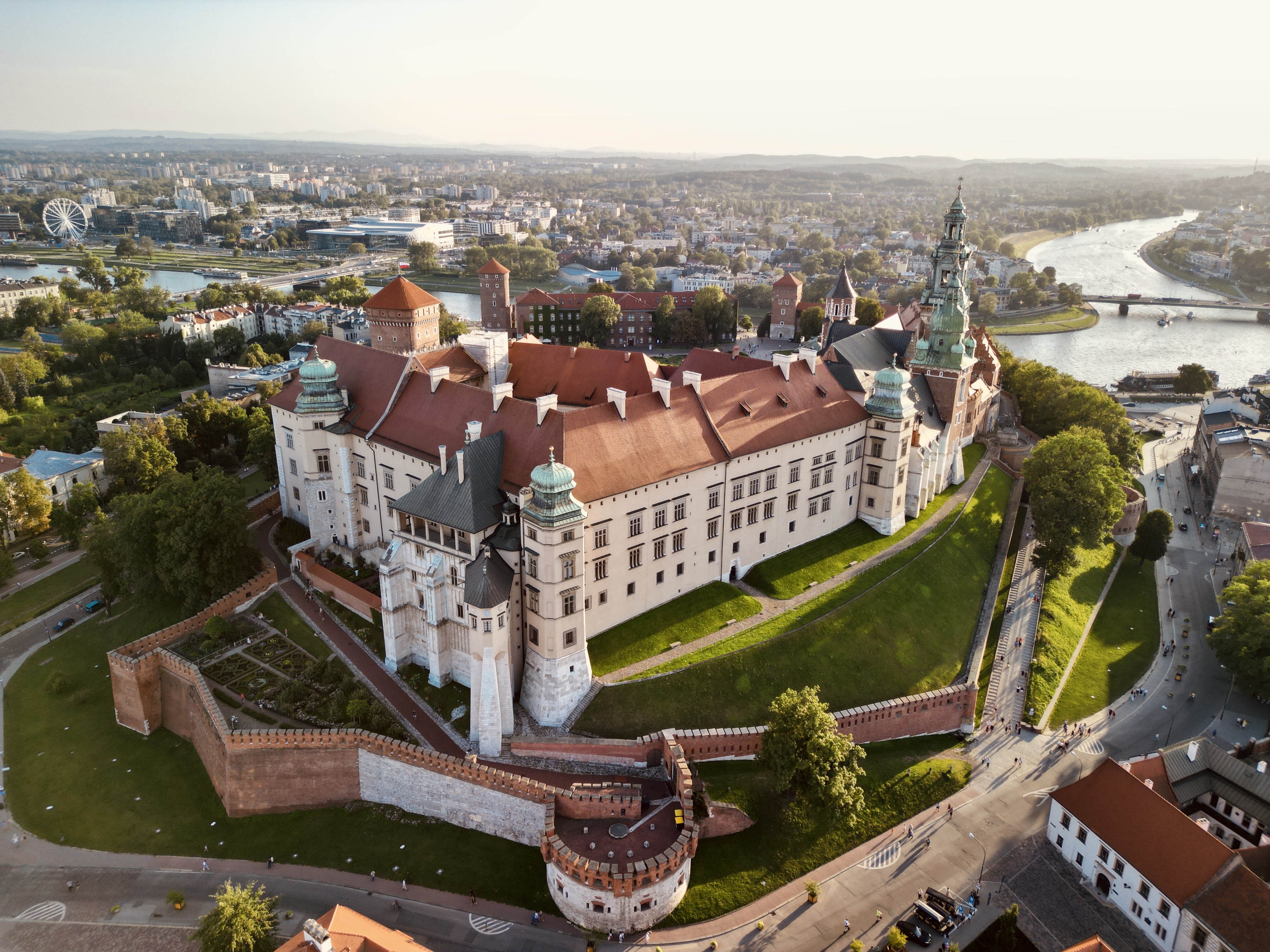
Wawel Castle, which sits on Wawel Hill in Kraków, Poland, and looks out over the Vistula River, is one of the most important royal residences in Europe. Strange events and unexplained phenomena have long been associated with Wawel Castle. For hundreds of years, people who have been there and people who live there have said that strange things have happened inside its old walls, like ghostly footsteps echoing through empty halls, cold spots that can’t be explained, and sightings of long-dead royalty. These stories have transformed the castle from merely a Polish heritage site into a location that captivates paranormal fans and researchers eager to explore the strange occurrences reported within this medieval fortress. Many people think that the combination of a tragic past, violent deaths, and deep political significance make Wawel Castle the perfect place for paranormal activity. Such speculation makes it a fascinating subject for people who are interested in the intersection of history and the unexplained.
Wawel Castle
The physical structure of Wawel Castle is a beautiful group of buildings that show off almost a thousand years of Polish history and art. The castle grounds include the royal residence, the Gothic Wawel Cathedral with its famous golden-domed Sigismund Chapel, defensive walls, and many courtyards where many important events have taken place. The three-tiered arcades in the Renaissance courtyard are one of the best examples of Italian Renaissance architecture north of the Alps. The cathedral’s crypts below hold the tombs of Polish kings and national heroes. The castle is on a limestone hill, which makes it even more impressive. It rises sixty-five feet above the river and has a collection of towers, spires, and red-brick walls that make it the most prominent building in Kraków. There is a complicated system of caves and rooms deep below the castle. One of these rooms is the famous Dragon’s Den, a natural limestone cave that opens up to the riverbank and has been linked to local legends for hundreds of years. The State Rooms have priceless collections of Renaissance tapestries, period furniture, and artwork. The Treasury and Armoury show off royal regalia and medieval weapons that show Poland’s martial history (Holc, 2006).
Wawel Castle has been around for more than a thousand years and has seen both great and terrible things. This provides those who believe that such events leave spiritual marks with ample material to consider. In the early Middle Ages, the hill was fortified for the first time. By the eleventh century, it had become the home of Polish kings, who would rule from there for more than five hundred years. The castle was the site of Polish royal weddings, political intrigue, assassinations, and the deaths of kings and queens whose spirits are said to still roam its halls. Wawel Castle became a center of Renaissance culture and learning during the Jagiellonian dynasty, which lasted from 1386 to 1572. Scholars, artists, and diplomats from all over Europe came to the castle. The castle’s fortunes, on the other hand, went down after the capital moved to Warsaw in 1596. It got even worse during the Swedish invasions of the 1600s and the foreign occupations that followed. During the 19th century, the Austrian Empire used the castle as a military barracks. During World War II, Nazi Germany turned it into the home of Governor-General Hans Frank, adding another dark chapter to its already troubled past. After Poland became independent again, a lot of work was done to restore Wawel to its former glory as a national symbol and museum. However, some people say that the echoes of its troubled past still echo within its walls (Klekot, 2012).

Paranormal Castle
For generations, people have said that strange things happen at Wawel Castle. Many people say they have seen strange things happen all over the castle. Many people have seen a white lady, who is thought to be the ghost of Queen Jadwiga, who died in 1399 after giving birth to a daughter who lived for only three weeks. Visitors and staff have said that they have seen a glowing woman in white robes moving through the royal chambers and the cathedral. Occasionally she seems to cry or pray before disappearing into the stone walls. The cathedral crypts, the final resting place of Polish kings and national heroes, have evoked some terrifying experiences. People have said they felt like they were being watched, that the temperature suddenly dropped, and that they felt invisible hands touching them in the dark. Guards who work the night shift at the castle have said they have heard footsteps that can’t be explained, whispered conversations in old Polish, and medieval music coming from empty rooms. Some people say they saw the ghostly figure of King Casimir the Great walking around the castle grounds in full royal regalia. Others say they saw a ghostly knight in armor who appears near the fortifications and then disappears without a word (Wood & Kolek, 2010).
The Dragon’s Den cave under the castle has its set of strange connections that come from both old stories and new experiences. According to stories from the Middle Ages, a terrifying dragon once lived in this cave and scared the people who lived nearby until a clever cobbler’s apprentice named Skuba defeated it. However, some versions of the story attribute the deed to the legendary King Krakus himself (Sucharski, 2020). Although few modern visitors claim to have seen a real dragon, many report feeling scared and uneasy in the cave. They also saw strange lights and heard strange sounds that echoed through the limestone chambers. Some paranormal investigators have found strange electromagnetic fields in the cave, which has led to the idea that the limestone’s natural properties might be to blame for the strange things that happen there. There are also stories about strange energy vortexes inside and around the castle grounds. Some people who believe in earth energies say that Wawel Hill is at the intersection of powerful ley lines that draw supernatural activity. These different stories, passed down through the years and enriched with new experiences, have created an array of ghost stories that surround the castle.
When the Nazis occupied Poland from 1939 to 1945, the castle was Hans Frank’s headquarters. Reports of strange events supposedly grew stronger during this time, but there isn’t much evidence from this time period. Some stories that came out after the war say that German soldiers stationed at the castle had nightmares, saw angry Polish royalty, and saw things move on their own. Some people thought these were the spirits of Polish kings protesting the occupation. According to reports from after the war, Frank himself became more paranoid and troubled while he was at the castle. However, it is still up for debate whether the phenomenon was due to supernatural causes or just guilt and fear of the Soviet army moving in. After the war, workers who were trying to restore the building said they saw many strange things that they couldn’t explain. For example, tools would disappear and reappear in different places, there were cold spots that didn’t make sense, and they felt like they were being pushed or pulled by invisible forces. The war years were full of horrible things, like the imprisonment and execution of Polish resistance fighters in the castle’s dungeons. These events have made Wawel’s already complicated history even more tragic, which may have helped make it known as a haunted place.
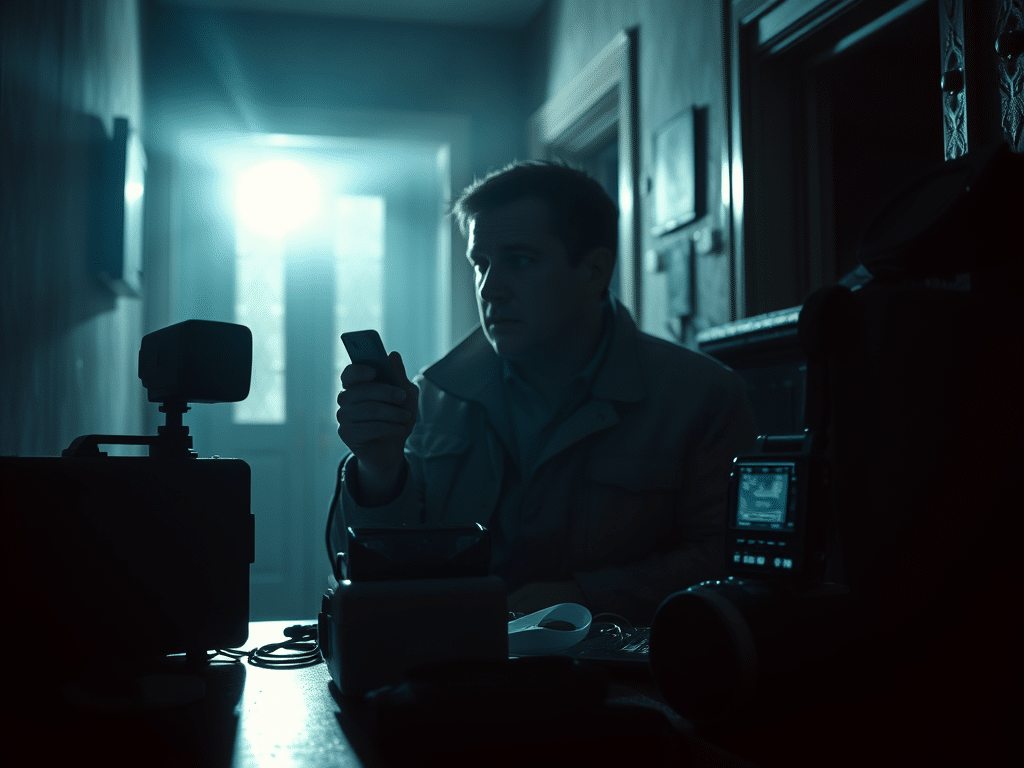
Researchers investigating the paranormal at Wawel Castle recently have found mixed results. Some say they have found proof of supernatural activity, while others say they can explain the strange things that have been reported in more normal ways. Several paranormal investigation teams have spent the night in the castle, using electromagnetic field detectors, infrared cameras, digital voice recorders, and other tools to find or record ghostly activity. Some investigators say they have recorded electronic voice phenomena in the crypts and royal chambers, temperature changes that can’t be explained, and mysterious orbs and mists that they think are caused by spiritual energy. Researchers are particularly intrigued by reports of malfunctioning or battery-depleting electronic devices in specific areas of the castle. Such behavior is something that happens at haunted places. But few controlled studies have been done, and most evidence is anecdotal or open to interpretation. The castle is a popular tourist spot and museum, which makes it hard to do the kind of thorough, uninterrupted research that would be needed to prove or disprove the paranormal claims. This is because the constant flow of visitors and normal building operations create many possible sources of normal sounds, temperature changes, and other effects that could be mistaken for supernatural ones.
Theories
Skeptics provide various alternative explanations for the paranormal occurrences reported at Wawel Castle, citing psychological, environmental, and historical factors that may elucidate these phenomena without resorting to supernatural explanations. The power of suggestion and cultural norms are crucial. Those who arrive at the castle with preconceived notions of its haunting are more likely to perceive strange occurrences there. The castle’s age, architecture, and atmosphere make it possible for normal sounds like the wind, settling foundations, or creaking wood to sound like ghostly footsteps or whispers, especially in dark areas where you can’t see well. The limestone in Wawel Hill can make strange sounds and electromagnetic fields that some people may be sensitive to. These sensations can cause feelings of unease, being watched, or changes in temperature that are often thought to be caused by spirits. Infrasound, which is low-frequency sound waves that are below the range of human hearing, can cause feelings of anxiety, dread, and even visual hallucinations. Old buildings like Wawel Castle can make these sounds through natural processes. Visitors to the castle may be more likely to experience pareidolia, which is the tendency to see faces in shadows or hear voices in white noise. This is because they have vivid historical knowledge of the tragic events that happened there.
This castle, with its long history as a royal residence in Poland, has become a center for stories about the supernatural and represents the cultural memory of the places it stands. The idea of “remembrance tourism” is important for understanding how people are currently interacting with places like Wawel Castle. The link between historical commemoration and the commercialization of heritage is evident (Bechtel, 2016). The castle is not only an important architectural landmark, but it is also a place where stories of ghosts and hauntings echo, drawing in visitors who are interested in its ghostly history.
People who live in or visit Kraków often tell ghost stories about Wawel Castle, saying that the spirits of former royalty and architects still haunt the grounds. The cultural phenomenon surrounding these ghosts is a big part of what makes Kraków a popular tourist destination. These short stories make people feel connected to the past. Local stories frequently feature the dragon’s spirit, a connection to the Wawel Dragon legend. The connection enhances the castle’s enigma and demonstrates the interconnection between folklore and history. This interaction is an example of collective memory, where ghostly figures stand for unresolved historical tensions (Bechtel, 2016; Wowczak, 2020).
The cultural and historical significance of Wawel Castle to Polish national identity may contribute to the persistence and proliferation of paranormal narratives associated with the site. Wawel is a symbol of independence, cultural achievement, and strength in the face of occupation and oppression for many Poles. It is the heart of their country’s heritage. People’s emotional ties to this place can make their experiences more intense, making them more open to seeing or even unconsciously making up stories about the supernatural that link the present to the past, whether it was good or bad. Some scholars assert that ghost stories fulfill a significant cultural role by preserving historical memory and sustaining an emotional bond with ancestors and national heroes whose lives and deaths transpired within these confines. The appearance of Queen Jadwiga, for instance, represents the sorrow of a beloved monarch who died young, and the belief that her spirit still lives at Wawel lets people stay connected to this important historical figure. From this viewpoint, the objective reality of the paranormal phenomena at Wawel Castle is secondary to the significance of these narratives in safeguarding cultural memory and facilitating meaningful experiences for visitors desiring to connect with Poland’s history.
Furthermore, the appearance of ghosts in historical contexts can be interpreted as manifestations of trauma and the unresolved legacies of collective suffering. For instance, the ghosts of significant historical events, such as the impact of foreign invasions and wars on the Polish populace, frequently resonate within the ghost stories associated with Wawel Castle. These ghosts could serve as metaphorical representations of Poland’s tumultuous history, reflecting cultural and social conflicts (Rodrigues, 2017). Ghosts are used in stories to look at these ideas, showing how hauntings often show problems in today’s society that are linked to past traumas (Baker & Bader, 2014).
In the larger context of ghost stories, Wawel Castle is a small example of how the past keeps coming back into the present, making a spooky place where memory and history live together as ghostly presences. These stories not only add to the castle’s appeal, but they also fit with the idea that collective memory is haunted by its spectral echoes. This story shows how the past is always there, shaping the experiences of people who visit or live in these places. The renewed fascination with ghost stories linked to historical sites signifies a cultural engagement with memory, trauma, and the persistent challenges of confronting the past, underscoring the role of these ghosts as essential narratives that significantly influence our comprehension of identity and heritage (Blackwood & Juliff, 2024; Biber, 2022).
Some theories try to connect skeptical and paranormal explanations by suggesting that some places may actually have properties that change how people think and feel without needing the spirits of the dead. The stone tape theory posits that traumatic or emotionally charged events may be imprinted in the physical environment, especially in substances such as limestone or quartz-bearing stone, and that individuals with heightened sensitivity may discern these imprints under specific circumstances. This theory, while not scientifically proven, attempts to explain paranormal events through a mechanism that transcends consciousness after death. Some people say that the high levels of electromagnetic activity in some parts of the castle, which could come from natural geological sources or man-made electrical systems, could affect the temporal lobes of sensitive people’s brains. Hallucinations or changes in consciousness, perceived as encounters with spirits, could arise from this effect. Studies examining the impact of electromagnetic fields on human consciousness are still contentious and yield inconclusive results; however, they offer an alternative perspective for comprehending paranormal phenomena, situated between outright skepticism and complete endorsement of the supernatural. These middle-ground theories accept that people’s experiences at places like Wawel Castle may be real and consistent, but they also question whether the traditional ghostly explanation is the right one for what is happening.
Conclusion
When looking at the strange things that have happened at Wawel Castle and other historic sites, it’s also important to contemplate how tourism, business, and paranormal belief all come together. The castle’s reputation as a haunted place draws many visitors. This aspect provides guides, local historians, and tourism operators a reason to keep telling and expanding on ghost stories, even if they aren’t true. This feature doesn’t mean people are lying; it just means that paranormal stories are popular and valuable in business and culture, making them more likely to be told, shared, and sometimes made up. Ghost tours and other events with paranormal themes have become important ways for historic sites around the world to make money. Wawel Castle, with its fascinating history and beautiful architecture, is perfect for these kinds of events. There is a complicated and not always easy-to-understand relationship between real historical research, real paranormal investigation, and the commercial use of ghost stories. All three can happen at the same place. Serious researchers must confront these conflicting interests while trying to figure out if anything strange is really happening at places like Wawel Castle that are said to be haunted.
Wawel Castle is a wonderful example of Polish history and culture. No matter what you believe about the strange things that happen there, the castle’s atmosphere makes visitors feel strong emotions and affects their minds. The combination of beautiful buildings, important historical events, sad events, and stories that never seem to end has created a place where the lines between the past and the present and between reality and imagination seem very thin. People who believe in the paranormal see Wawel as strong proof that consciousness can live on after death and that strong emotions and dramatic events from the past can have lasting effects on the physical world. For skeptics, the castle is a wonderful example of how human psychology, cultural narratives, environmental factors, and commercial interests all work together to make and keep ghost stories alive at places that are important to history. No matter what you believe regarding the reality of paranormal events, the stories that go along with Wawel Castle serve important cultural purposes. They keep historical memory alive and provide visitors experiences that connect them to Poland’s rich and often tragic past. People will always be interested in the stories of Wawel’s ghosts, which means that this beautiful castle will continue to evoke both wonder and debate for many years to come.
References
Baker, J. O. and Bader, C. D. (2014). A social anthropology of ghosts in twenty-first-century america. Social Compass, 61(4), 569-593. https://doi.org/10.1177/0037768614547337
Bechtel, D. (2016). Remembrance tourism in former multicultural galicia: the revival of the polish–ukrainian borderlands. Tourism and Hospitality Research, 16(3), 206-222. https://doi.org/10.1177/1467358415620464
Biber, K. (2022). 6. destroyed records. Ghost Criminology, 155-179. https://doi.org/10.18574/nyu/9781479885725.003.0007
Blackwood, G. and Juliff, T. (2024). “a little limited”. M/C Journal, 27(6). https://doi.org/10.5204/mcj.3115
Holc, J. (2006). Wawel Castle tapestry collection: an overview of past and present conservation practice in Krakow, Poland. Tapestry Conservation: Principles and Practice, 171-176.
Klekot, E. (2012). Constructing a ‘monument of national history and culture’ in Poland: the case of the Royal Castle in Warsaw. International Journal of Heritage Studies, 18(5), 459-478.
Rodrigues, I. N. (2017). 6 how to draw a haunted nation: colonial ghosts and spectres in conceição lima’s poems. Postcolonial Europe, 91-102. https://doi.org/10.5771/9781786603067-91
Sucharski, R. A. (2020). Stanisław Pagaczewski and his tale (s) of the Wawel Dragon. Chasing mythical beasts: The reception of ancient monsters in children’s and young adults’ culture, 439-448.
Wood, M., & Kolek, R. (2010). A Ghost a Day: 365 True Tales of the Spectral, Supernatural, and… Just Plain Scary!. Simon and Schuster.
Wowczak, J. (2020). The reconstruction of the museum of warsaw – current architectural interventions in a monument of great significance for the history of conservation in poland. Technical Transactions, 1-15. https://doi.org/10.37705/techtrans/e2020029
Leave a Reply