Iron and Evil Spirits: Key Points
-
The belief that iron repels evil spirits is one of the most widespread and enduring folk traditions across diverse cultures throughout history.
-
Iron’s protective properties are attributed to its purity, magnetic qualities, and connection to civilization, which believers say create barriers against ethereal spirits.
-
European folklore features iron horseshoes and cold iron against fairies, while Asian traditions use iron objects to protect children and pregnant women from demons.
-
Skeptics explain these beliefs as psychological transfers of iron’s practical protective qualities and its historical association with technological power.
-
The cultural impact has influenced architecture, jewelry, religious practices, and modern fantasy literature featuring iron as a supernatural weakness.
-
The persistence of iron protection beliefs, even today, reflects human needs for tangible defenses and psychological comfort against perceived threats.

Introduction
The belief that iron possesses protective powers against evil spirits or malevolent ghosts represents one of the most widespread and enduring folk traditions found across diverse cultures throughout human history. The belief that this common metal can protect against evil supernatural beings has been around for thousands of years, from ancient civilizations to modern paranormal fans. It has crossed religious and geographical lines. This fascinating intersection of metallurgy and the supernatural reveals much about human psychology, cultural development, and our ancestors’ attempts to understand and control the mysterious forces they believed threatened their well-being.
Overview
Evil spirits, as conceived in folklore and paranormal belief systems, are generally understood to be malevolent supernatural entities that exist to harm, deceive, or torment living humans. These beings take many forms across different cultures, including demons, ghosts of the restless dead, nature spirits turned hostile, and creatures born of darkness and chaos. They are often attributed with the ability to possess human bodies, cause illness and misfortune, steal away children, lead travelers astray, or bring death to households and communities. Most traditions say that evil spirits are undesirable because they go against the natural order, are connected to night and shadow, and are weak to certain materials, symbols, or rituals that can drive them away or bind them (Cavendish, 2023).
The paranormal beliefs surrounding iron’s protective properties stem from several interconnected ideas about the metal’s unique nature and its relationship to the spiritual realm (Haaland, 2008). Many folklorists and believers suggest that iron, particularly cold-forged iron that has never been heated to red-hot temperatures, possesses an inherent purity that spirits find repulsive or painful to encounter. Another common theory holds that iron’s magnetic properties create a kind of spiritual barrier that supernatural entities cannot cross, or that the metal’s association with human craft and civilization makes it fundamentally opposed to the wild, chaotic nature of evil spirits. Some traditions maintain that iron’s effectiveness derives from its connection to the earth and natural ores, giving it a grounding energy that spirits, being ethereal and unbound, cannot withstand.

Protective Iron
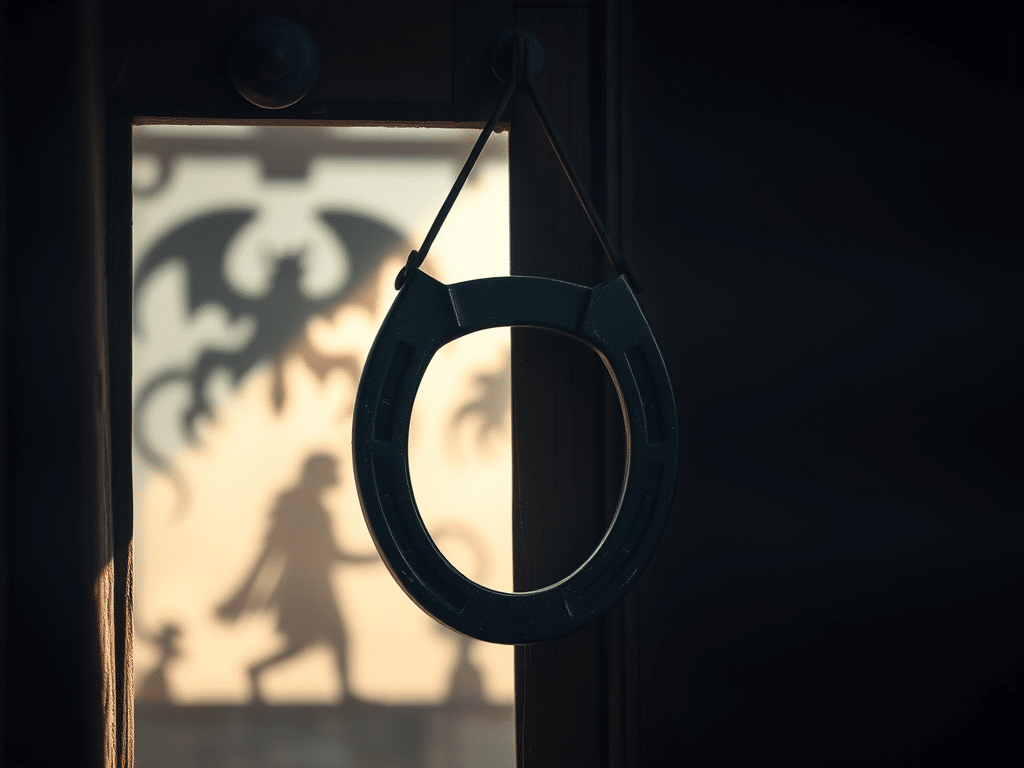
Iron is a common protective charm against fairies, witches, and evil spirits in European folklore. Horseshoes are probably the most well-known example of this custom. In Scotland and Ireland, people would nail iron horseshoes above doorways with the open end facing upward to trap favorable luck and prevent evil spirits from entering the home, while blacksmiths were considered blessed individuals whose work with iron protected them from supernatural harm. Celtic traditions called it “cold iron,” and it was thought to be very effective against the fairies, who were thought to steal human babies and replace them with changelings unless iron was put in the cradle (Alexander, 2014). People who traveled through remote areas would carry iron nails in their pockets or wear iron rings to keep will-o’-the-wisps and other mischievous spirits from leading them astray at crossroads and lonely paths.
In Chinese folklore, iron mirrors and iron scissors were traditionally used to ward off evil spirits and protect newborn children from supernatural threats during their vulnerable first months of life. Pregnant women would sometimes wear iron bracelets or place iron objects under their beds to prevent demons from harming the unborn child or possessing the mother during childbirth. The practice of placing iron weapons near the bodies of the deceased in some Asian cultures served the dual purpose of protecting the dead on their journey to the afterlife and preventing evil spirits from reanimating the corpse. For hundreds of years, people in India and the Middle East have used iron amulets adorned with protective verses or symbols to shield themselves from the evil eye, djinn, and other evil supernatural forces.
In Italian folk medicine, iron is regarded as a protective agent against evil spirits. For example, people with epilepsy were given the keys of Saint Valentine, which were made of iron, to hold during seizures. This concept was based on the idea that iron could drive away evil spirits (Romeo et al., 2015). This tradition illustrates a trend in folk traditions where metal objects, particularly iron, are believed to possess intrinsic protective properties. In Javanese communities, it is also believed that metal objects, such as iron, keep evil spirits away. This fact shows how important iron is in spiritual protection ceremonies (Cukarso & Herbawani, 2020).
Theories
Historical perspectives suggest the sacrificial use of objects made of iron in contexts where evil spirits could cause harm. During the Neolithic period, populations believed that destroying or burying weapons could prevent evil spirits associated with violence from affecting the living (Schultrich, 2024). These practices indicate a deeply ingrained cultural understanding of the relationship between material objects and the spiritual realm.
In addition to its practical applications, iron has been a vital component in rituals and traditional medicine aimed at dispelling perceived malevolent influences. In many cultures, including those in the Indian subcontinent, iron implements, along with herbal remedies, are reported to be prescribed by traditional healers to ward off evil spirits (Hossain et al., 2013). This belief that iron can protect people is seen in folk medicine, where things like iron knives are often used to keep people safe from supernatural threats.
Skeptics and scientific rationalists offer various explanations for the widespread belief in iron’s protective properties that do not rely on actual supernatural phenomena. One prominent theory suggests that the association between iron and protection arose from the metal’s practical importance in creating weapons and tools, leading to a psychological transfer of iron’s physical protective qualities to the spiritual realm. Historians note that the introduction of iron technology often coincided with periods of cultural transformation and military advantage, which may have led people to attribute almost magical significance to the metal that gave their civilization such power. Some researchers also think that some folk traditions that use iron, like putting nails around doors and windows, may have had real-world benefits, like keeping people or pests out. As the original purpose faded, these traditions evolved into myths about warding off spirits.
Impact
Beliefs about iron protection have had a big effect on culture, affecting architecture, jewelry design, religious practices, and even how the supernatural is portrayed in modern pop culture. Historical buildings across Europe and Asia feature iron elements in their construction that were specifically intended to ward off evil spirits, from decorative iron crosses on churches to iron bars in windows positioned according to traditional protective patterns. The jewelry industry has long taken advantage of these beliefs by making iron rings, pendants, and bracelets that are sold as protective talismans. Even today, when many buyers may not really believe in their supernatural powers, they wear them as cultural symbols or beneficial luck charms. Modern fantasy books and games have used the iron-versus-spirits trope a lot. Many stories show cold iron as the weakness of fairies, demons, or other supernatural beings. This keeps old folktales alive and provides them new life for new generations.
The persistence of iron protection beliefs in the modern era, even among educated populations in scientifically advanced societies, speaks to the enduring human need for tangible defenses against perceived threats, whether physical or psychological. While most contemporary believers in paranormal phenomena acknowledge the lack of scientific evidence for iron’s supernatural properties, many continue to use iron charms and talismans as a form of psychological comfort or cultural tradition that connects them to their ancestors. This practice prompts intriguing inquiries regarding the essence of belief and whether the effectiveness of such safeguards resides not in any intrinsic characteristic of iron but in the assurance and tranquility they offer to their users. The psychological power of ritual and symbolism should not be underestimated, even by those who reject supernatural explanations, as the reduction in anxiety and increased sense of control provided by protective measures can have real, measurable effects on human behavior and well-being.
Conclusion
The belief that iron repels evil spirits represents a remarkable convergence of practical metallurgy, cultural tradition, psychological need, and supernatural worldview that has shaped human societies for millennia. Whether viewed as genuine spiritual protection, psychological comfort, or simply fascinating folklore, the iron-and-spirits tradition provides valuable information about how our ancestors understood the world and sought to protect themselves from its dangers. As we continue to uncover the historical and cultural contexts that gave rise to these beliefs, we gain a deeper appreciation for the complex ways in which humans have always sought order, meaning, and safety in an uncertain universe, creating systems of protection that blend the material and spiritual in ways that continue to resonate even in our modern, technological age.
References
Alexander, S. (2014). Fairies: The Myths, Legends, & Lore. Simon and Schuster.
Cavendish, R. (2023). The Powers of Evil: In Western Religion, Magic and Folk Belief. Routledge.
Cukarso, S. N. A. and Herbawani, C. K. (2020). Traditional beliefs and practices among pregnant women in javanese communities: a systematic review. Journal of Public Health Research and Community Health Development, 4(1), 71. https://doi.org/10.20473/jphrecode.v4i1.20810
Hossain, M. Z., Sikder, S. S., Zaman, K., Saha, P., Yunus, M., Nelson, K. E., … & Labrique, A. (2013). Screening utility, local perceptions, and care-seeking for reported jaundeesh among respondents lacking signs of icterus in rural bangladesh. Journal of Health, Population and Nutrition, 31(3). https://doi.org/10.3329/jhpn.v31i3.16829
Romeo, N., Gallo, O., & Tagarelli, G. (2015). From disease to holiness: religious-based health remedies of italian folk medicine (xix-xx century). Journal of Ethnobiology and Ethnomedicine, 11(1). https://doi.org/10.1186/s13002-015-0037-z
Schultrich, S. (2024). Neolithic battle axes with cup marks. Proceedings of the Prehistoric Society, 90, 177-204. https://doi.org/10.1017/ppr.2024.8
Toncheva, D., Karachanak-Yankova, S., Marinova, M., Borovskа, P., & Serbezov, D. (2021). Susceptibility to neurodegenerative disorders: insights from paleogenomic data. Human Biology, 93(4), 289-297. https://doi.org/10.1353/hub.2021.a917652
Leave a Reply