
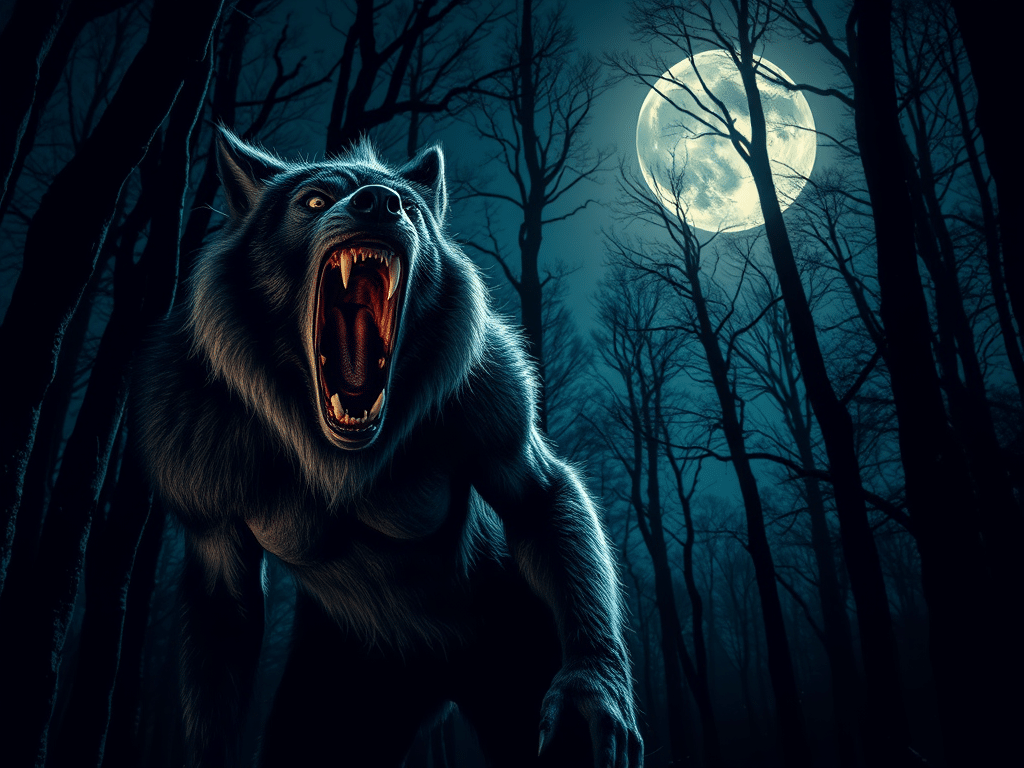
The history of werewolves dates back to ancient times, when beliefs in the creatures were widespread throughout many cultures. A werewolf is a mythical creature that possesses human and wolf-like characteristics. Early literature featuring werewolves includes works by Pliny the Elder, Ovid, and Virgil, among others. Werewolf folklore is present in various cultures around the world, including European, Norse, Native American, African, and Slavic cultures. Werewolves have become a popular part of contemporary culture, appearing in books, movies, television shows, and video games. This video will explore the ancient history of werewolves and their relevance in modern society.
Ancient people believed that certain individuals could transform into wolves or had some sort of connection with them. This was especially true in Europe, where werewolf legends originated. Werewolves are often depicted as having superhuman strength and heightened senses as well as the ability to transform into a wolf-like creature at will. Superstitions regarding werewolves include the belief that they can be killed with silver bullets, that they can be prevented from transforming by wearing a belt made from wolf fur, and that they should not be looked upon when in wolf form. Werewolf legends and stories are usually centered around cursed individuals who transform into wolves under certain conditions or full moon nights.

Greek
Greek mythology provides one of the best examples of werewolf beliefs in ancient society. A well-known example of werewolf mythology in ancient Greece is the tale of Lycaon, a king who was turned into a werewolf as retribution for his brutality.
Lycaon was a monarch who, according to tradition, was infamous for his cruelty and contempt for the gods. He made the decision to serve Zeus human flesh as a test. Zeus punished Lycaon for his sacrilegious deed by turning him into a werewolf.
Lycaon’s transformation was seen as a cautionary tale for other mortals who dared to disobey the gods. It was also considered a kind of retribution for the violence and cruelty that characterized ancient Greek civilization.
This particular tale was not the only one that generated werewolf lore. Werewolves also appeared in other myths and stories, frequently as a caution against disobedience or as a representation of strength and power.
The werewolf was a creature of great importance in ancient Greek mythology and folklore. It was believed to be a powerful spirit, able to transform its form from that of an animal into that of a human. This transformation was seen as a representation of the Greeks’ understanding and appreciation for the natural world around them. In particular, wolves held an esteemed place in their culture due to their strength and ferocity.
As such, the werewolf became viewed as a symbol of might and power, embodying both the animalistic nature of wolves along with mankind’s intelligence and cunning. Thus, it is not surprising that they would have created stories surrounding this creature which could serve both as warnings against unchecked aggression while also serving as inspiration for courage in times when people felt powerless or threatened by outside forces.
In general, werewolf myths and beliefs played a significant role in ancient Greek civilization. It served as a visual representation of the strength and power of the natural world as well as an essential moral lesson. The tale of Lycaon and other werewolf legends continue to intrigue and fascinate people all over the world even today.
Norse
Scandinavian mythology is also an intriguing source for werewolf legends. The wolf was seen as a strong and revered animal in Norse mythology, and werewolves were referred to as “berserkers.”
The berserkers were fighters with the rumored capacity to change into wolves. Because of their ferocity and bravery in battle, their opponents feared them. According to legend, a berserker’s transformation included a ferocious howl and a physical change that made the warrior stronger and more animalistic.
The berserkers of Norse civilization were a mysterious and powerful group. They were believed to have access to great strength and power, which they could use in battle or other situations. Their mythology was based on the concept of accessing these powers, and they were seen as embodying the untamed forces of nature. This reputation meant that people both feared them for their power but also revered them for their courage in facing danger head-on. It is thought that this fear and admiration led to stories about them being able to transform into animals such as wolves, giving rise to legends about werewolves from ancient times.
In Nordic culture, the concept of a werewolf was closely tied to shamanism and other spiritual beliefs. In particular, the idea of a berserker’s metamorphosis into a wolf was believed to be an altered state of consciousness in which they could access heightened levels of spiritual force and even commune with nature around them. It was thought that this transformation allowed for greater physical strength and ferocity, as well as increased mental acuity – allowing warriors to anticipate their enemies’ movements before they made them. This belief system is still popular today amongst many spiritual practitioners who strive to find similar connections between themselves and the natural world.
In Norse culture, the werewolf legend was linked to the concept of transformation and change. The idea that humans have the capacity to change and transform themselves if they have the fortitude and bravery to do so is reflected in the ability of the berserkers to transform into strong and terrifying beasts.
Werewolves were widely believed to exist in medieval Europe, and they were frequently connected to witchcraft and devil worship. It was thought that making a deal with the devil might turn individuals into werewolf.
Lore
Throughout European culture, the notion of the werewolf was linked to phobias and concerns about the paranormal and the unknown. The werewolf was considered to be a dangerous and erratic beast that was capable of wreaking havoc.
Werewolf lore was also connected to the notion of witchcraft. Witches were thought to have the power to change into various animals, especially wolves, throughout medieval Europe. The werewolf was viewed as a representation of the dark, demonic energies connected to witchcraft.
The notion of the “beast within” was connected to the werewolf as well. The werewolf was frequently portrayed as a person who had given in to their animalistic inclinations and served as a warning against doing the same.
The idea of transformation and change was also connected to the werewolf. The metamorphosis from human to werewolf was viewed as a representation of the force of change and transformation as well as the notion that people are capable of profound and unpredictable self-transformation.

Native American Skinwalkers
There are legends of “skinwalkers” in Native American culture who have the ability to change into wolves. These tales were seen as deadly since they were frequently connected to witchcraft.
The Navajo tribe had their own skinwalker mythology. The skinwalkers were said to be witches with the power to change into any animal, even wolves. The skinwalker was considered to be a strong and dangerous beast that was capable of wreaking havoc and ruin.
The theme of transformation and change was also connected to the skinwalker. The transition from human to animal represented the idea that people can change and transform themselves in significant ways.
The idea of skinwalkers was associated with the occult and the unknown in Native American society. The skinwalker was viewed as a representation of the strength of nature and the interdependence of people and the environment.
Shamanism and spiritual rituals were closely connected to the belief in skinwalkers. It was thought that skinwalkers could access spiritual power and have great spiritual connections to nature. The change from human to animal was thought to be a form of trance state that allowed the skinwalker to access spiritual power and establish connections with the natural world.
Africa
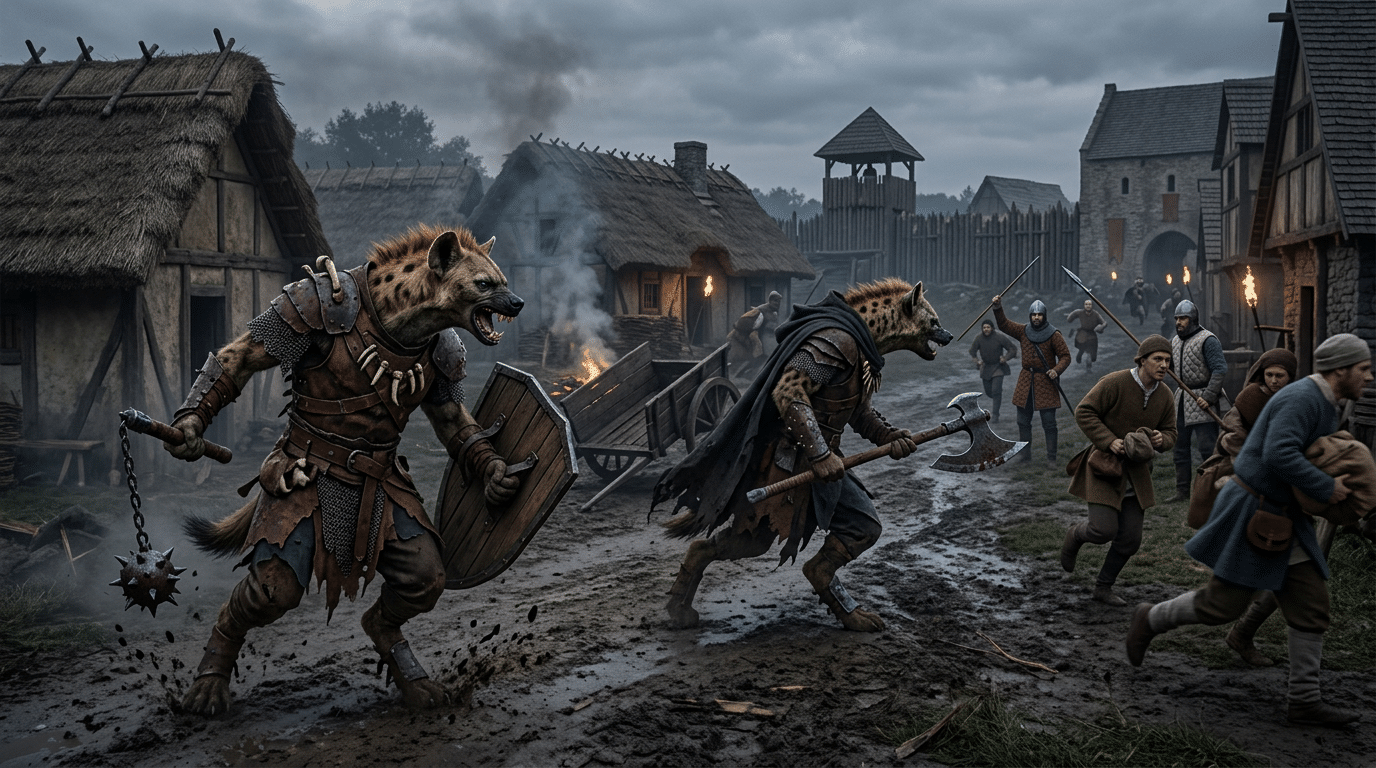
In African folklore, there were stories of people who could transform into hyenas or other animal forms, known as werehyenas. These were often associated with witchcraft and considered dangerous.
The belief in werehyenas in African culture was tied to fears and anxieties about the supernatural and the unknown. The werehyena was seen as a powerful and unpredictable creature, capable of causing harm and destruction.
Popular Culture
Popular literary works featuring werewolves include the Twilight series and An American Werewolf in London, while popular films include The Wolfman and Teen Wolf. In addition to these works of fiction, werewolves have also been featured in various video games, such as Bloodborne and The Witcher 3: Wild Hunt. Werewolf mythology has become a major part of popular culture and has been used to explore themes such as identity, morality, and the duality of human nature.
Conclusion
In conclusion, the history of werewolves dates back to ancient times, when beliefs in the creatures were widespread throughout many cultures. Werewolf mythology has become a major part of popular culture and has been used to explore themes such as identity, morality, and the duality of human nature.

Leave a Reply