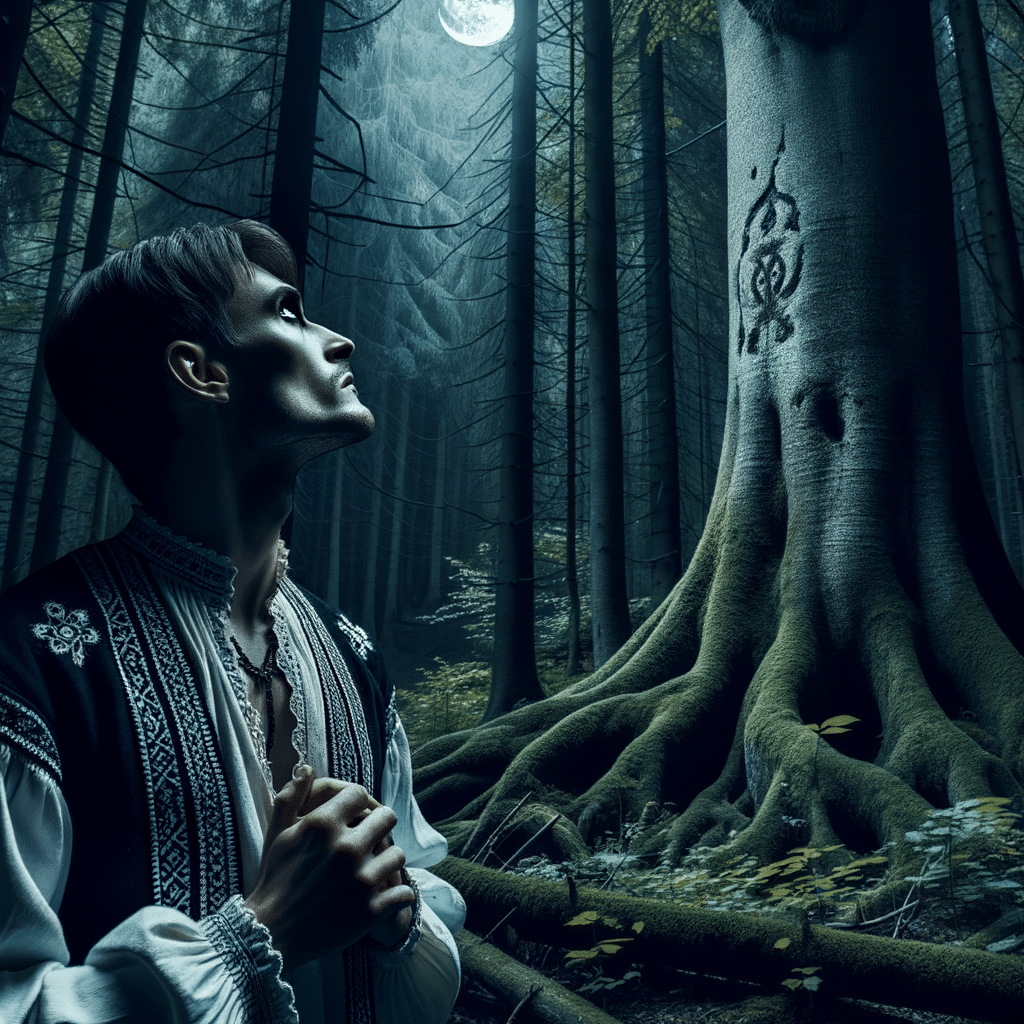
Podcast of Vampires of the Slavs (Slavic vampires) review. Video of podcast above. This episode was part of several podcasts generated with Google NotebookLM and is the product of AI.
The subject is Jan L. Perkowski’s book Vampires of the Slavs, which delves into the mythology and history of vampires in Slavic societies. A prelude outlining Perkowski’s personal journey into the field of vampire study opens the book. Subsequently, the text provides a comprehensive elucidation of Slavic mythology, with a particular focus on the beliefs surrounding the deceased and their associated devotions and ceremonies. The book emphasizes Slavic belief in a variety of supernatural entities, including the “Domovoy,” “Leshiy,” and “Poludnica,” each of which has distinct functions and traits. Perkowski acknowledges the expanding influence of literary depictions by contrasting these old beliefs with modern views of vampires. The final section of the source examines the vampire bat, providing a scientific description of its behavior, anatomy, and place in vampire folklore.

[Joe]
Hey there, ready to dive into some seriously fascinating stuff. We’re taking a deep dive into your research on the Slavic vampire. Oh, excellent. Yeah, and from what I can see, you’ve got a real mix going on in academic papers, folklore collections, and even a news story in there.
It’s going to be a wild ride Yeah, you’re going for the full picture here.
[Tammy]
It seems absolutely and it’s interesting You’ve got Prakowski in the mix because he really, really gets into the nitty-gritty of the Slavic vampire Yeah, he seems to be Z guy. He is well one of them, at least. What I find fascinating about his work is how he challenges the stereotypical view of vampires You mean like not all vampires are out to drain your blood exactly. I mean, everyone thinks vampire, they think bloodsucker, right?
Right, but Prakowski paints a much broader picture.
[Joe]
Yes, as I’m quoting him here, he actually describes a vampire, a creature that feeds on a victim who has suffered harm. Which really opens things up a bit, doesn’t it?
[Tammy]
Absolutely. It’s not just about the physical act of drinking blood. It’s about Draining anything vital, really, whether it’s physical energy emotional well-being or even your will to live It’s kind of a chilling thought when you think about it.
I know right, it suddenly makes those energy vampires we hear about seem a lot more real, exactly. And what’s even more interesting is how these beliefs, these vampire myths, were used to explain the world, especially back in the day before modern science.
[Joe]
Oh, yeah, like that article. You’ve got by Michal about Slavic mythology. Yes Michal’s work is fantastic Yeah, he talks about how back then they believed that if someone wasn’t properly baptized, their soul could become a restless spirit Exactly.
[Tammy]
It all ties into these deep-seated anxieties about the soul and what happens after death and it’s not just any ghosts, mind you, right?
[Joe]
You’ve got your name key.
[Tammy]
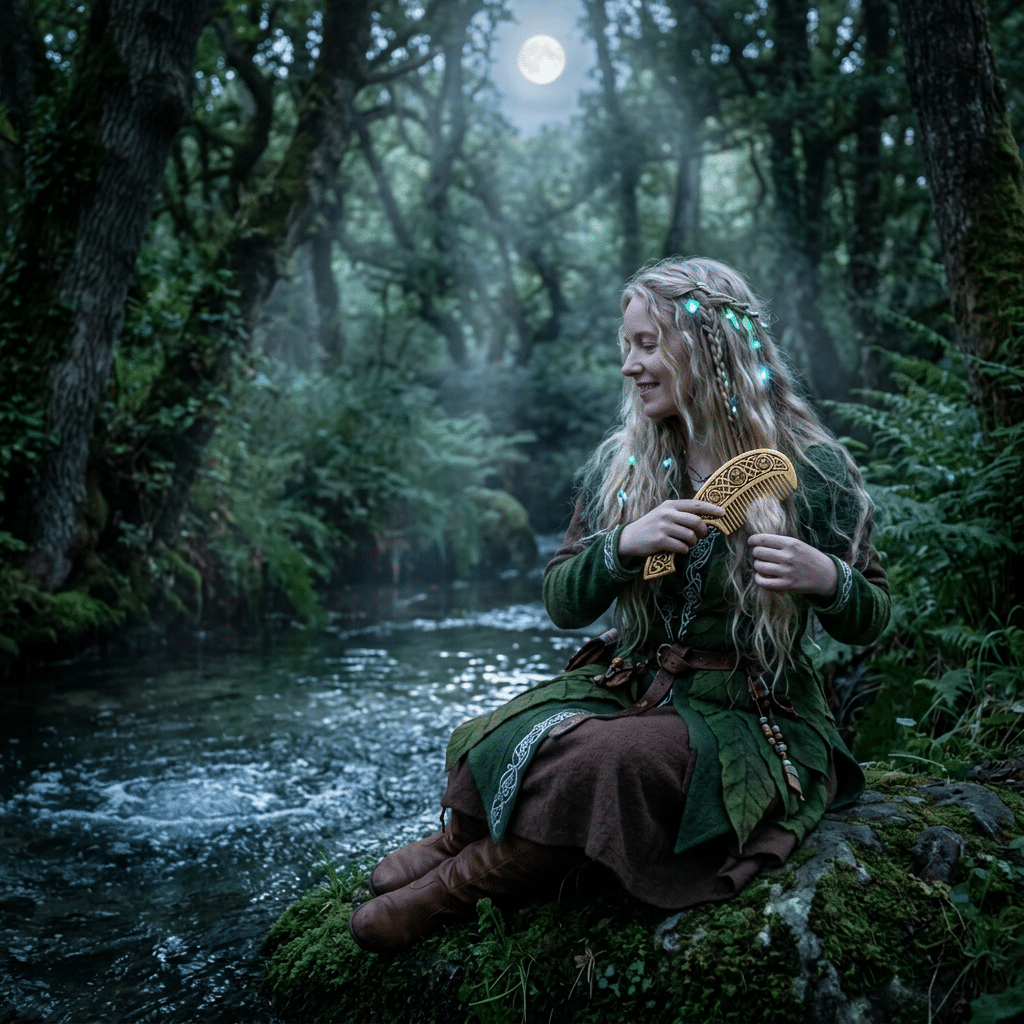
Ah, yes, the name key Imagine a child laughing in the dead of night trying to lure you into creepy it is and then you’ve got the result You know, those are the water nymphs—rightly alluring, beautiful, but deadly.
[Joe]
Yeah, they lure you in with their beauty and then It’s all over.
[Tammy]
It’s like every corner of nature held some kind of hidden danger exactly and these weren’t just stories to scare children; They were explanations for why bad things happened for the chaos and uncertainty of life and death, which is where the vampire fits in perfectly.
[Joe]
It’s not just about a monster. It’s about that primal fear of the unknown of what happens after we die precisely and what’s fascinating is that this fear didn’t paralyze people; it spurred them into action, like they came up with all these rituals and stuff to protect themselves.
[Tammy]
Exactly. They weren’t just passive victims They were actively trying to take control to outsmart death itself. So it’s like folklore meets survival guide in a way Yes, and this is where things get even more interesting because you’re not just looking at Slavic vampire beliefs in general You’re looking at the variations, the regional differences, right like the Kashubes.
Oh the Kashubes, Perkowski did some fascinating work on them. They’re a Slavic group But they have these very specific beliefs about vampires and what makes them even more intriguing is that they’re found in both Europe and Canada.
[Joe]
So their beliefs kind of traveled with them across the ocean exactly.
[Tammy]
Which shows how fluid these beliefs were and how they adapted and evolved over time in place.
[Joe]
It’s like a cultural game of telephone, but with a Slavic vampire in a way.
[Tammy]
Yes, and they even had two distinct types of vampires, the op G and the V Jesse, for the price of one.
[Joe]
What’s the difference?
[Tammy]
Well, it’s not so much about their powers or anything like that It’s more about how they’re identified the signs people looked for.
[Joe]
Okay. So what kind of signs are we talking about?
[Tammy]
Oh, it could be anything from being born with teeth. Ouch Right to having a certain membrane on the head.
[Joe]
I imagine being a midwife in those days You’d be terrified to deliver a baby. I know right talk about a high-stress job So what did they do if they thought someone was, you know, a vampire?
[Tammy]
Well, that’s where the precautions came in and the Kashubes had some pretty specific ones Like they would pour sand from the grave into the coffin. Why sand it? It was believed to weigh down the vampire to prevent it from rising interesting and they would hide pieces of poplar wood from the mortician because poplar wood Well, it was believed to have these protective properties. Amazing how much detail went into these rituals.
[Joe]
They weren’t messing around not at all. It shows how real this threat felt to them and how every little detail matters It’s like they were trying to impose order on something that’s inherently chaotic and uncontrollable death.
[Tammy]
It’s this very human need to exert some sort of agency over the unknown and speaking of you know, That unpredictable nature of life and death. Let’s talk about you having in your research here this fascinating collection of tales from Professor Vukonovich and he really dives into Balkan gypsy beliefs about vampires. Oh, yes, Vukonovich. Yeah, his work is incredible. talk about a deep dive. It’s like he drops you right into the middle of their world. He does and it really gives you a sense of how these beliefs weren’t just abstract ideas. They were woven into the fabric of their lives.
Yeah, and some of the stuff he talks about it’s pretty out there It makes you wonder where these stories came from the images they conjure up Like for example, he talks about vampires living in mills, really? Yeah and get this: they would force travelers to drink from horse skulls.
[Joe]
Oh, come on, who thinks of this stuff?
[Tammy]
It’s wild, isn’t it? But that’s the power of folklore. It taps into our deepest fears and creates these vivid almost.
[Joe]
Cinematic images like a horror movie waiting to happen.
[Tammy]
Exactly, and it wasn’t just about creepy settings either, like Vukonovich mentions this belief that even a shadow passing over a corpse could potentially turn it into a vampire’s shadow.
[Joe]
Yeah, like even the shadow of an animal Wow, it seems that there are other factors involved besides vampire bites.
[Tammy]
Yeah, it’s everything; exactly every little detail mattered, which shows you how real this threat felt to them.
[Joe]
It’s like walking on eggshells all the time in a way.
[Tammy]
Yes, and it speaks to that human need for control for rituals for something to hold on to in the face of the unknown, which brings us to something totally different in your research here.
[Joe]
The account of the Marquis death.
[Tammy]
The Marquis now, this is where things get really interesting.
[Joe]
Yes, because this is a memoir by a French nobleman who became involved in, uh, something he couldn’t explain; it is not some folktale that academics have collected.
[Tammy]
It’s a great example of how these beliefs and these fears weren’t confined to one social class or culture.
[Joe]
They could seep into anyone’s life given the right circumstances Exactly, so we’ve got this nobleman traveling through Eastern Europe and he becomes enamored with this young woman, Stanka and she’s beautiful, isn’t she? Oh, yeah, the Marquis describes her is absolutely captivating but there are whispers about her family, especially her father, Gorsha. Yes, he’s got a bit of a reputation, doesn’t he? To say the least, there are these rumors that he’s well that he might be a Vertilak, which is a specific type of Slavic vampire and then, to make matters worse, people start dying under mysterious circumstances.
It’s like something out of a gothic novel totally and then Gorsha disappears but before he goes, he leaves these eerie instructions for his sons if he comes back after ten days Don’t let him in no matter what, because by then he’ll become a monster. Talk about a chilling warning.
[Tammy]
It’s like he knows what’s coming, but he can’t stop it.
[Joe]
It’s heartbreaking really but it gets worse one of Stankas nephews dies suddenly and everyone suspects Gorsha.
[Tammy]
He’s back, but he’s hiding and the villagers start taking precautions, right? Like they’re preparing for a vampire attack Yeah, it’s all very tense. And in the middle of all of this, you’ve got the Marquis, who’s completely torn. Of course, he’s in love with Stanka, but he can’t ignore these strange events these whispers of something sinister at play exactly.
[Joe]
It’s like he’s balancing on a tightrope between logic and superstition. He wants to believe it’s all just a misunderstanding but deep down, he can’t shake this sense of dread. Yeah, it’s like the more he tries to reason it away, the stronger those fears become exactly, and then just as things are reaching a boiling point, he gets called away on business. Of course talk about bad timing, right? But even though he leaves, he promises Stanka he’ll return but like life gets in the way, right?
It does and months turn into years and he gets swept up in his own world the Courtney life and all that It’s like he’s trying to outrun fate, but some things you just cannot run Exactly, and sure enough a few years later. He finds himself drawn back to that same region. It’s like something some unseen force is pulling him back It is he even says the Marquis that he’s trying to forget about Stanka about everything that happened. But some things you just can’t forget so he goes back to her village. He does, but when he gets there, the house is deserted.
[Tammy]
Yeah, the family is gone Vanished and there are these dark rumors swirling around whispers of some terrible fate befalling them I bet he was feeling pretty guilty at that Oh, absolutely, like all his worst fears were coming true, but he still doesn’t know the full story, right? Yeah, so he decides to spend the night in Stankas old room.
[Joe]
Why would he do that?
[Tammy]
I don’t know. Maybe he’s looking for answers or maybe Maybe a part of him wants to feel close to her again Even if it means facing his fears, maybe especially then so he’s lying there in Stanka’s room and he falls asleep and has this incredibly vivid dream about her. What happens in the dream? Well, she’s just as he remembers her beautiful radiant full of life and as he’s dreaming, he realizes how much he loved her and how foolish he was to let her go. But it’s just a dream.
That’s what he thinks. Yeah, but then he wakes up. Okay.
She’s standing there right by his bed. No way, it’s her or at least it looks like her but the marquee He notices something’s different He says there’s a coldness to her touch; her gaze seems empty and she’s not wearing the religious icons She always used to wear the ones that were supposed to ward off evil. Exactly.
[Joe]
Oh, this is bad. This is really bad.
[Tammy]
Yeah, and But there’s more; he’s drawn to her and can’t help himself. She offers him some wine and as he drinks, his fear starts to give way to desire Oh, no, he’s playing right into her hands, and that’s where the marquee leaves us hanging. He doesn’t review what happens next, whether he escapes or or Succumbs to whatever fate befell Stanka and her family talk about cliffhangers.
[Joe]
So what does it all mean?
[Tammy]
Well, I think that’s up to each of us to decide but one thing’s for sure: the marquee dearth story these vampire myths They’re not just spooky tales.
[Joe]
They’re about something deeper, right?
[Tammy]
Exactly. They’re about our hopes, our fears, and our deepest desires. They’re a reflection of ourselves and the things we grapple with even today.
[Joe]
That’s a great point So as we wrap up this deep dive, it’s not just about vampires. It’s about using these stories and these beliefs as a lens to understand ourselves a little bit better. It’s exactly well; that’s some seriously fascinating stuff. Thanks for taking this deep dive with us on the Slavic vampire and until next time, keep exploring those dusty old books.
Who knows what you might find?


Leave a Reply