A podcast about the book Human Animals can be accessed above. This episode was part of several podcasts generated with Google NotebookLM and is the product of AI.
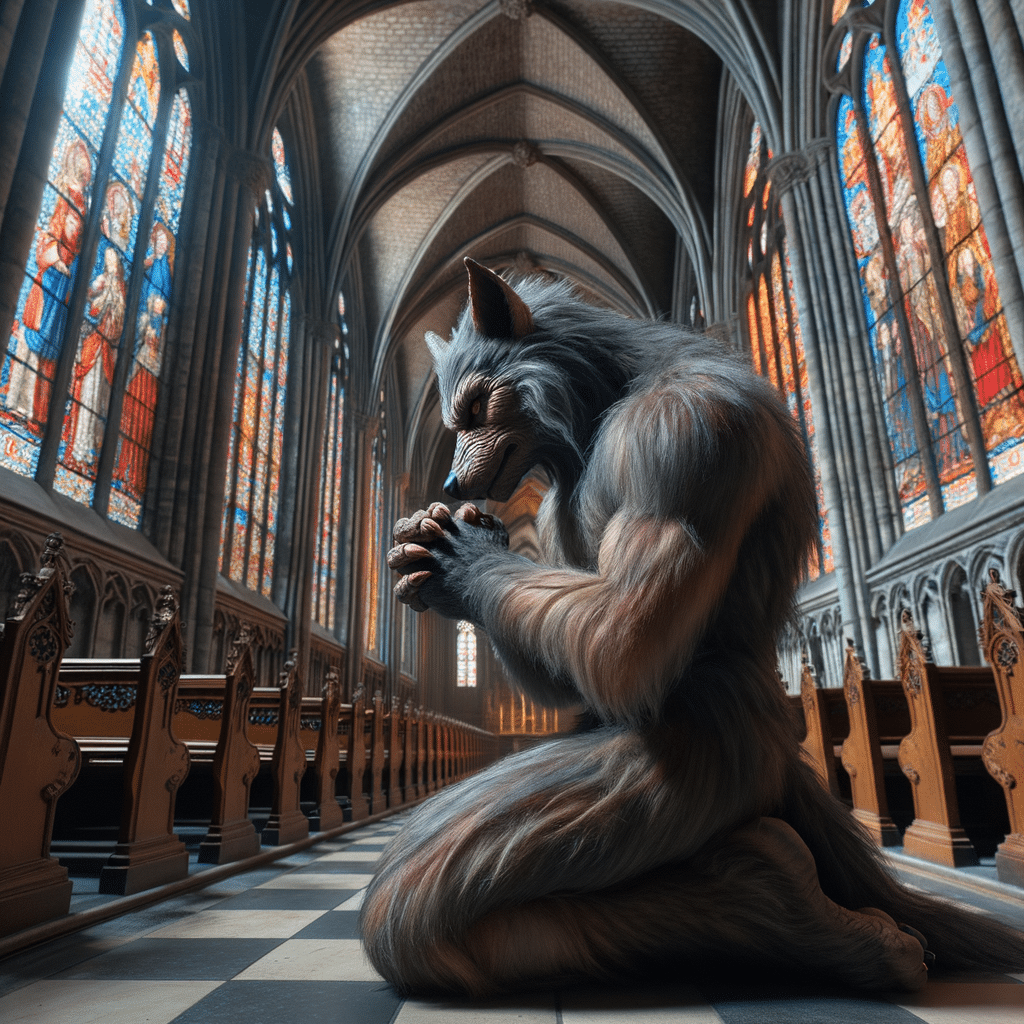
This is about Human Animals by Frank Hamel, a free eBook available on Project Gutenberg, explores the fascinating and often mysterious relationship between humans and animals. Hamel delves into the history and folklore of various cultures, showcasing a wide range of beliefs surrounding transformation – the ability of humans to change into animals. The book investigates lycanthropy (the ability to shapeshift into a wolf), the mystical connections between humans and animals, and the cultural significance of these transformative experiences. This early 20th-century work provides a comprehensive framework for understanding these beliefs, revealing how they have been woven into the fabric of human societies across time.

[Joe]
I forget this like weird feeling that we as humans, I mean, have always been like obsessed with turning into animals. It’s everywhere, right? I mean, werewolves, those ancient myths, even like that kind of dream you get after eating too much cheese.
You know what I mean?
[Tammy]
It’s more than just a, what’s the word, like a fleeting interest. You know, it’s, it seems like it’s really ingrained in us.
[Joe]
Right.
[Tammy]
And this deep dive we’re doing, it’s all about that. We’re going deep, deep, deep into that human animal connection. And our guide for this journey is Frank Hamill’s book, Human Animals.
It explores how cultures throughout, well, all of history really have believed in this ability to kind of cross that line, you know, between human and animal.
[Joe]
Yeah. And not just werewolves, right? I was like skimming the table of contents earlier, and we’re talking lion men, bird women.
There are creatures in there. I don’t even know how to like say these words.
[Tammy]
It’s wild. Hamill’s book though, it’s not just like a listing of all these fantastical beings and stuff. He actually digs into the cultural and historical context behind them, right?
Like why were these stories being told in the first place? What do they show us about how people saw themselves and, uh, and the natural world?
[Joe]
So it’s like scholarly monster mashing then?
[Tammy]
Kind of. Yeah. You could say that.
[Joe]
Okay.
[Tammy]
Hamill’s was writing in the early 1900s. And, uh, fun fact, his book is actually on Project Gutenberg. Oh, cool.
So if you want to read along with us, you totally can. But what’s really amazing is how even back then he got, this wasn’t just, you know, like superstition or whatever. These beliefs were woven into how people understood the world around them.
Like their place in it, their fears, hopes, the whole deal.
[Joe]
So it’s like, it’s more than just like a scary werewolf kind of thing, right? It’s tied into much bigger questions about like what it means to even be human.
[Tammy]
Yes, precisely. Take the idea of a bush soul, for example.
[Joe]
A bush soul.
[Tammy]
Yeah. Hamill talks about how some cultures believed that a part of your soul, not all of it, but a part of it could actually exist in an animal.
[Joe]
Wait, so not a full on like body swap situation, but like a, a spiritual link.
[Tammy]
Exactly. And the thing is this connection wasn’t always, you know, sunshine and rainbows. Harming the animal could actually harm the human it was linked to.
[Joe]
Whoa.
[Tammy]
It makes you think about those stories of people who like just know when something has happened to their pet, you know?
[Joe]
Okay, now you’re just giving me the chills.
[Tammy]
Right.
[Joe]
But I, but I get what you’re saying. It’s like these stories, they, they tap into something like primal, you know, something deeper.
[Tammy]
Yeah.
[Joe]
This feeling that we’re connected to the animal world in ways that maybe like we don’t even fully get.
[Tammy]
And it’s not always like warm and fuzzy, that connection.
[Joe]
Yeah.
[Tammy]
And Hamill also gets into the kind of darker side of these transformations, like the concept of the scapegoat.
[Joe]
Right. Right. Where someone, or I guess something is blamed for like all the bad stuff going on.
[Tammy]
Exactly. And sometimes it was animals or even get this, humans thought to be carrying animal spirits that were used as scapegoats. They would ritually like take on the burdens or the sins of the whole community.
[Joe]
So it could be used for good or for bad, this human animal connection, which actually makes me think witches and their familiars. Is that something that Hamill talks about at all?
[Tammy]
Oh, absolutely. He has like a whole section on the idea of witches being able to change themselves or even other people into animals and yeah, the familiar thing too.
[Joe]
Of course.
[Tammy]
But that’s probably a discussion for another deep dive, honestly, we could talk about that for hours.
[Joe]
Yeah. Yeah. For sure.
Another time. I don’t want to get us too far off track here, but it sounds like we’re just scratching the surface of this whole human animal connection thing.
[Tammy]
Oh, there’s so much more to it. One of the most, I think, striking examples is this whole animal dance phenomenon.
[Joe]
Like people dancing with wolves and stuff.
[Tammy]
Yeah.
[Joe]
Okay. I mean, that does sound kind of cool. Not going to lie.
[Tammy]
It’s a bit more than just that. These dances were really important. They were a way for people to actually connect with what they saw as the power, the wisdom, even the danger embodied in certain animals.
[Joe]
Wow. And he found examples of this all over the world. That’s crazy.
It’s like this need to tap into that animal energy, whether it’s through dance or stories or even believing you could actually become one.
[Tammy]
Yeah.
[Joe]
It’s just everywhere you look in history.
[Tammy]
It’s true. And that’s exactly what makes these stories so interesting to explore. They hint at something deeper within us, I think.
Like a fundamental part of being human is this recognition of our connection to the animal world, whether we like it or not. And it’s not always pretty, that connection.
[Joe]
Right. Yeah. We talked about the scapegoat thing earlier and how that could be used for bad too.
[Tammy]
Yes. And Hamill, he gives some really intense examples actually. He talks about how in some cultures, people truly believed that there were individuals out there who could shapeshift into animals, often to cause harm.
And these weren’t, you know, just figures in a story. They were a real threat.
[Joe]
So not just campfire tales, but like a genuine fear in everyday life.
[Tammy]
Exactly. Imagine living in a time where that line between human and animal, it felt dangerously blurry, where like your neighbor could just transform into a predator.
[Joe]
Oh, that’s creepy.
[Tammy]
It’s a fear that we still see today in our own fascination with werewolves.
[Joe]
Yeah, totally. That fear of losing control, of becoming something monstrous. It’s primal.
[Tammy]
It really is.
[Joe]
And speaking of werewolves, does Hamill get into the whole werewolf trial thing?
[Tammy]
He does. Really? And it’s a very, I guess you could say sobering look at how folklore and fear could actually like collide with the legal system back then, often with awful consequences.
[Joe]
Okay. Now this I get to hear more about. Werewolf trials.
I mean, what were they thinking? Okay. Now this I got to hear more about.
Werewolf trials. I mean, what were they thinking?
[Tammy]
Well, it’s, it’s kind of hard to wrap your head around it now, but back then, like during the early modern period, mostly in Europe, people were actually accused of being werewolves, like seriously put on trial and sometimes even executed for it.
[Joe]
Whoa. Okay. So, but like, what was the, what was the evidence?
Did a werewolf like forget to pay a parking ticket or something?
[Tammy]
I wish. Sadly, it wasn’t quite that straightforward.
[Joe]
Right.
[Tammy]
Hamill talks about how a lot of these trials, they basically hinged on rumors, you know, wild accusations and then confessions that were sometimes forced out of people, torture the whole nine yards.
[Joe]
Oh man. That’s, that’s heavy.
[Tammy]
Yeah. It really makes you think about how strong fear and superstition can be. Even when you’ve got something like a courtroom, that’s supposed to be all about logic and reason.
Right.
[Joe]
It’s true. It’s true. It makes you wonder though, did people like actually believe it or was it more a case of, you know, finding someone to blame for stuff they couldn’t explain?
[Tammy]
Probably a bit of both. Honestly. Hamill’s take is that the werewolf, it became this kind of scapegoat in itself, a way to deal with all the anxiety about, well, the unknown, I guess, the parts of ourselves of human nature that we don’t like to think about too much.
Because let’s be real, the werewolf isn’t exactly known for being, you know, cuddly and sweet.
[Joe]
No, for sure not. It’s all about that loss of control, right?
[Tammy]
Yeah.
[Joe]
Like your worst impulse is just kind of taking over. It’s interesting though, that even though these trials happened so long ago, we’re still so into werewolf stories today.
[Tammy]
Exactly. I think the werewolf, along with all these other human animal transformations we’ve been talking about, it speaks to something really deep within us and makes you think maybe these stories aren’t really about actual shape-shifting, you know, maybe they’re more about the changes, the transformations that we all go through as humans in our own lives.
[Joe]
It makes you think maybe these stories aren’t really about actual shape-shifting.
[Tammy]
Yeah.
[Joe]
You know, maybe they’re more about the changes, the transformations that we all go through as humans in our own lives.
[Tammy]
Right. And I think that’s, well, maybe that’s getting to the heart of it, really.
[Joe]
Okay. Yeah. I like where you’re going with this.
We’ve covered a lot of ground, right? Bush souls, scapegoats, those wild dances, even courtroom drama.
[Tammy]
That’s a lot. Yeah.
[Joe]
But if we like zoom out, look at the big picture, what’s it all really about, this human animal thing?
[Tammy]
I think, honestly, I think Hamill would say it’s about our relationship with the natural world, how we see ourselves fitting into it, you know? The power we want, the wildness that maybe we’re a little afraid of, too.
[Joe]
Okay.
[Tammy]
And it all comes out in these stories, filtered through that animal lens.
[Joe]
It’s like we’re holding up this kind of funky mirror to ourselves, to humanity.
[Tammy]
Yeah, yeah.
[Joe]
And we’re not just seeing fur and fangs, but like possibilities, our own potential for good and bad.
[Tammy]
Exactly. And maybe that’s why even now, after going this deep into human animals with Hamill, we end up with more questions than answers, you know? Is there actually some truth to these stories?
Is there more to this whole transformation thing than we can even grasp right now? I think those are questions that Frank Hamill would want us to keep wrestling with.
[Joe]
And, hey, maybe next time we see, I don’t know, a wolf, a bird, even just our pet goldfish, we look at them a little differently, with more curiosity, you know? And maybe a little more respect for the stories we tell about what it means to be human, with all its weirdness and possibilities.


Leave a Reply