
Acadia National Park is a beautiful place in Maine with stunning granite peaks, thick forests, and crashing ocean waves. It shows how beautiful nature can be. But underneath the beautiful views and peaceful scenery comes a darker, more enigmatic side that has attracted paranormal fans for years. The park’s old mountains and foggy valleys seem to hold more than just animals and tourists; they also hold stories of bizarre events, ghostly encounters, and inexplicable occurrences that have taken place there.

Overview
Mount Desert Island and the surrounding area make up Acadia National Park, which covers around 47,000 acres. The park’s unique environment of mountains, forests, lakes, and coastline has attracted visitors for hundreds of years. Thousands of years ago, glaciers altered the landscape, resulting in the region’s unique rounded mountains and U-shaped valleys that define its morphology. Before it became a national park, rich families like the Rockefellers and Vanderbilts used to go there in the summer. They built fancy cottages and helped keep the area’s natural beauty by donating land and working to protect it. In 1916, President Woodrow Wilson proclaimed the region Sieur de Monts National Monument. President Woodrow Wilson extended the area and named it Lafayette National Park in 1919. In 1929, it became Acadia National Park (Schmitt, 2016).
The Wabanaki people lived on the land long before Europeans came. The Wabanaki people referred to Mount Desert Island as Pemetic, which translates to “range of mountains.” The native people who lived there created a rich mythology about the area, believing that spirits lived in the mountains and streams. Wabanaki stories say that the god Glooskap made Mount Desert Island by pouring water on the coast. People believed that some parts of the island, where the veil between realms was thin, were sacred or haunted. These aboriginal beliefs set the stage for hundreds of years of paranormal stories that would come after them. Many modern ghost stories are similar to these old ones about ghosts tied to the earth (Swetz, 2017).
Haunted Acadia
People have said that they have seen ghostly horse-drawn carriages that disappear when they get too close to the park’s old carriage paths. This is one of the most common paranormal events. Many hikers have said that they heard the distinct sounds of horse hooves and carriage wheels on empty roads, especially near Duck Brook Bridge and the stretch near Jordan Pond. Park rangers have gathered dozens of similar stories about a certain ghost: a woman dressed in Victorian-era garb who shows up for a short time before vanishing into the mist. People often report seeing these things when the temperature drops suddenly and a heavy feeling of sadness tends to hang in the air long after the ghost has gone (LiBrizzi, 2011).
The Bass Harbor Head Lighthouse, which stands out dramatically on rocky cliffs, is another place in the park where strange things happen. Built in 1858, the lighthouse boasts numerous ghost stories, one of which involves a former lighthouse keeper who continues to watch over it. People who work at the park and visitors have said they saw a man with a beard in period garb looking out to sea, but he disappeared when they looked at him. Some people have seen weird lights, like orbs that show up in pictures and strange lights in the lighthouse tower during stormy nights, even when the power has been turned off. Maritime historians say that several terrible drownings happened near the lighthouse in the late 1800s. These incidents could explain why restless spirits tend to be drawn to this coastal sentinel.
Acadia has accounts of strange paranormal events that don’t fit into any of the traditional categories, in addition to ghostly apparitions. People who trek near two circular mountains named The Bubbles say they can hear distinct whispers and conversations when no one else is there. This phenomenon is known locally as The Bubbles’ Whispers. More disturbing are the reports of time slips on lonely routes, where hikers say they feel lost and then see what look like images from the past—workers building carriage roads or Victorian-era tourists—that disappear when they get close. Park rangers have privately admitted that there are dead zones where compasses spin wildly and electronic devices stop working for no apparent reason. The deep valleys between Cadillac and Dorr Mountains are primarily home to these areas.
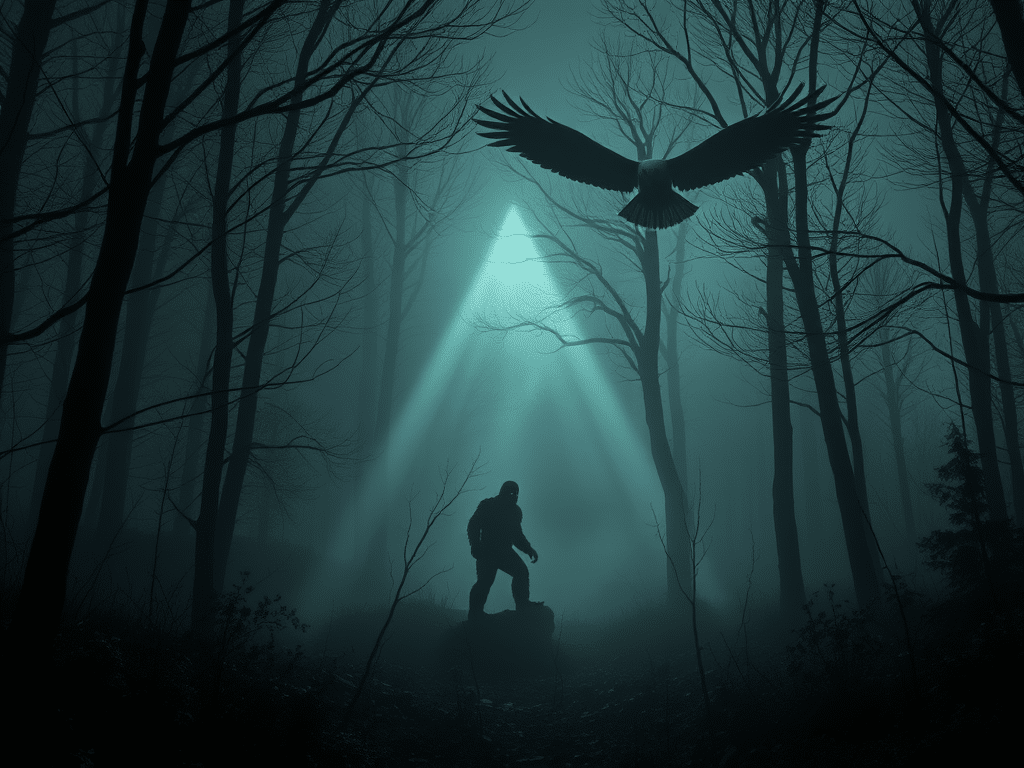
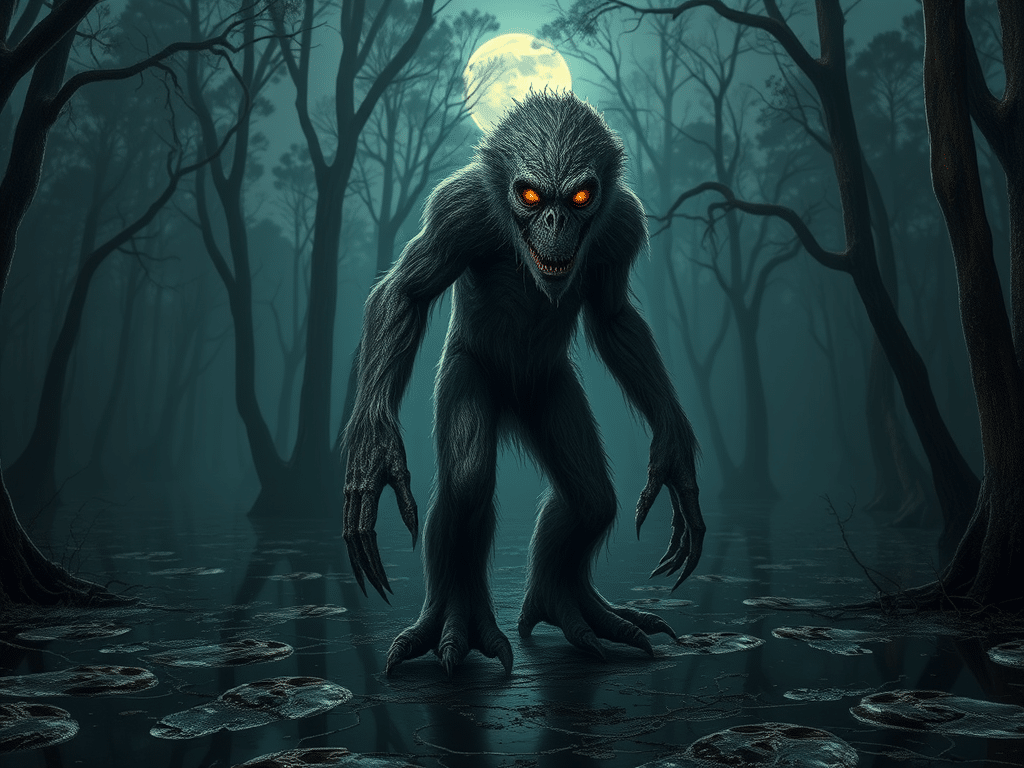
People have seen weird creatures in the thick woods around Otter Creek, which makes it difficult to tell if they are wildlife or cryptids. Since the 1970s, people have said they’ve seen a strange, big monster walking on two legs through the underbrush at twilight. It’s not human or bear, but it makes people feel scared in a primordial way. Wabanaki traditions relate these stories to woodland spirits that protect sacred places from intruders. People often see phantom lights over Great Meadow and the Witch Hole Loop. These are bright spheres that appear to possess intelligence, moving around, dividing, and reuniting as they float through the night air before disappearing without any trace (Belanger, 2009).

Analysis
Skeptics have come up with several possible explanations for the strange things that have been observed in Acadia, suggesting that natural events could be to blame for the illusions of supernatural activity. The park’s peculiar geography makes strange sounds happen. For example, granite formations can channel and amplify sounds from far away in ways that can appear otherworldly to anyone who isn’t used to the area. The fog banks that come in from the Atlantic often distort what you see, making normal things look like ghosts. The park’s electromagnetic anomalies likely stem from high iron levels in the bedrock, which could explain why compasses and electronics don’t work right. Psychologists say that the park’s remote location and untamed surroundings make visitors’ senses and imaginations work better, which makes them more likely to think that strange things are paranormal (Horjus, 2017).
Cultural historians add to the story by saying that many ghost stories came from the Victorian era, when spiritualism and gothic literature were quite popular with rich families that spent the summer on Mount Desert Island. The detailed stories of hauntings may have started as summer fun and then become local folklore. Environmental scientists point to the effects of infrasound, which are low-frequency sound waves that happen when wind blows over certain types of land. These waves can make people feel uneasy, anxious, and even see things that aren’t there. This phenomenon could explain the consistent emotional reactions that people have when they see what they think are paranormal events in the park.
The ghostly stories of Acadia National Park have become a part of its cultural character, no matter if you believe them or not. They give another layer to the park’s already rich history. The stories remind us of how complicated our relationship with natural places is—places that make us feel both awe and primal terror. Park officials have not taken a side on the paranormal stories. They have not attempted to transform these stories into tourist attractions or asserted that visitors who perceive unexplainable phenomena are mistaken. Instead, they assert that these stories are an integral part of the human experience in this remarkable landscape, where the boundaries between the natural and supernatural realms often appear to blur.
Conclusion
Acadia National Park is still a site of contrasts and mysteries, where scientific curiosity and mystical interest coexist in a setting of stunning natural beauty. As they stroll the misty trails, each visitor must decide for themselves if the claimed events are due to psychological suggestion, misread natural events, or real paranormal activity. No one can disagree that this scene has a giant effect on the human imagination. For millennia, visitors have perceived something beyond the visible world in the sounds of wind rustling through ancient trees and waves crashing against long-standing coasts. The border between what we know and what we don’t know in Acadia is like the horizon on a foggy morning. It reminds us that some locations may still make us feel wonder and mystery in a world that is becoming more and more explained.
References
Belanger, J. (Ed.). (2009). Encyclopedia of haunted places: Ghostly locales from around the world. Red Wheel/Weiser.
Horjus, M. (2017). Haunted Hikes: Real Life Stories of Paranormal Activity in the Woods. Rowman & Littlefield.
LiBrizzi, M. (2011). Ghosts of Acadia. Down East Books.
Schmitt, C. (2016). Historic Acadia National Park: The Stories Behind One of America’s Great Treasures. Rowman & Littlefield.
Swetz, S. A. (2017). America’s National Parks and the Anthropocene: Addressing the Present to Accommodate the Future in Acadia National Park.
Leave a Reply