
Black Lady Ghosts: Key Points
-
Black lady ghosts are spectral figures in dark Victorian mourning attire who appear across cultures as translucent female figures with obscured or pale faces conveying profound sadness.
-
These ghosts repeatedly appear in specific locations like old homes and graveyards, exhibiting passive behavior such as weeping or walking familiar paths while creating feelings of overwhelming sadness in witnesses.
-
Folklore worldwide portrays black lady ghosts as eternal mourners and harbingers bound to earth by tragedy, with stories emphasizing lost children, lovers, and historical injustices against women.
-
Theories range from paranormal explanations of genuine spiritual entities to psychological explanations involving grief-induced hallucinations and the brain’s pattern recognition in low-light conditions.
-
Black lady ghosts have significantly influenced Gothic literature, horror media, and haunted site tourism, providing frameworks for communities to preserve cultural heritage and process historical anxieties.
-
These enduring figures reflect universal concerns about death and memory, serving as both cautionary tales and reminders that the past’s unresolved traumas continue shaping our present understanding.

Introduction
Black lady ghosts constitute a prominent and persistent category of apparitions within global folklore and paranormal studies. These spectral entities, identifiable by their somber mourning garb and melancholic demeanor, have fascinated human beings throughout history and across diverse cultures. The occurrence of Black lady ghosts encompasses a complex array of narratives that mirror societal values, historical traumas, and fundamental themes of bereavement and unresolved matters. A comprehensive understanding of these apparitions necessitates an examination of their physical attributes, behavioral tendencies, folkloric importance, theoretical interpretations, and enduring cultural influence.
Description of the Black Lady Ghost
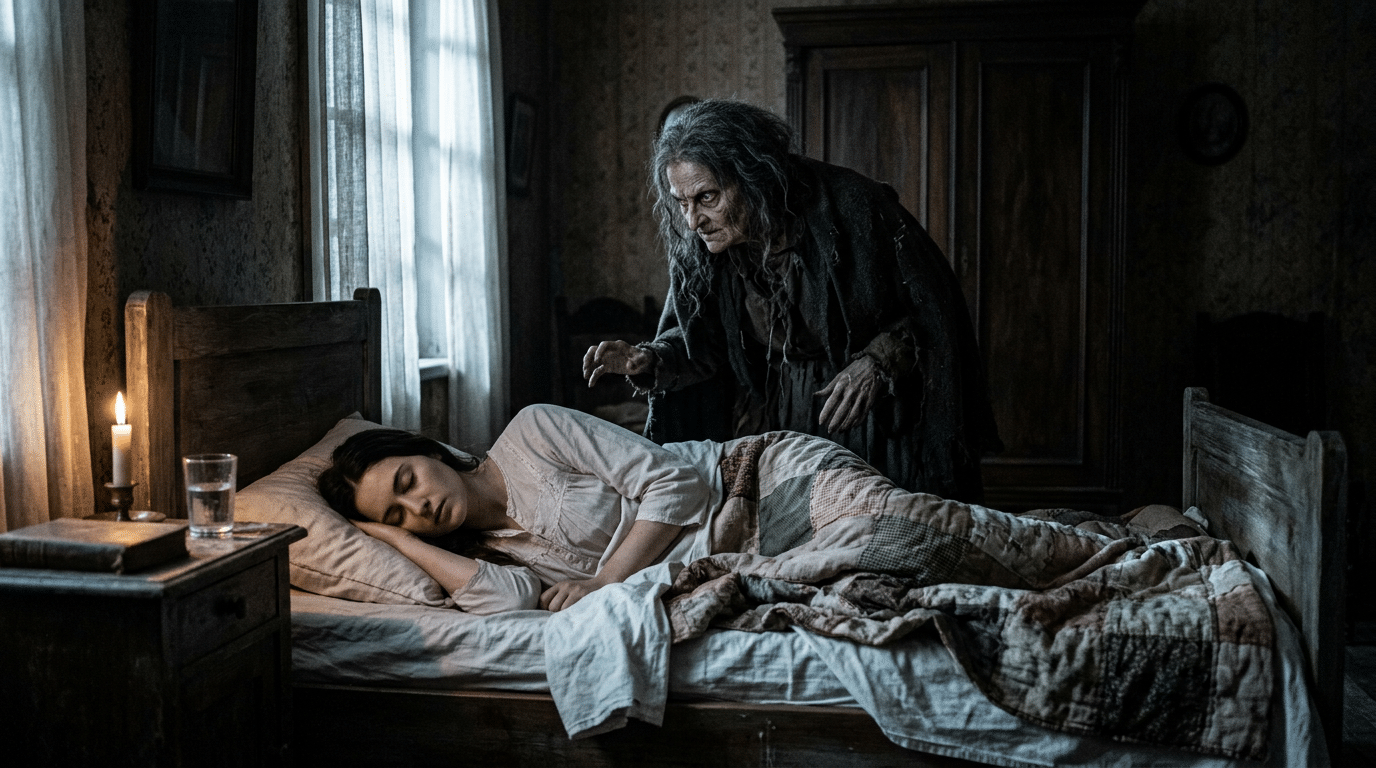
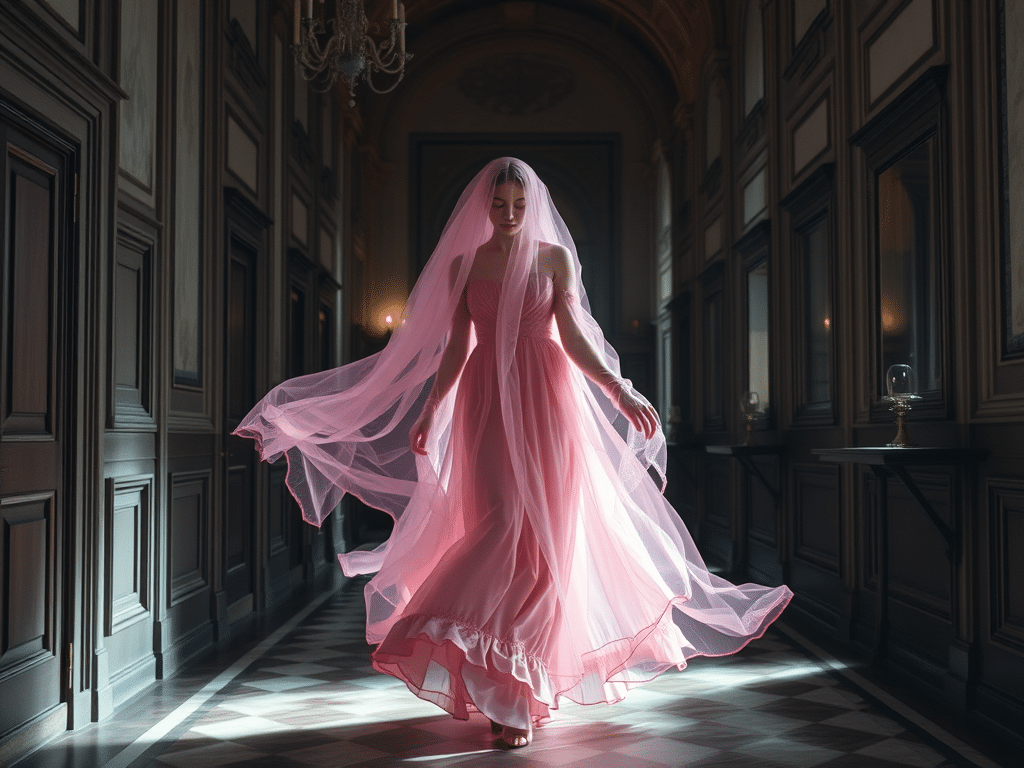
The physical characteristics of Black Lady ghosts exhibit striking consistency across various cultural settings and historical epochs. Witnesses frequently depict these entities as female apparitions, invariably attired in black garments, frequently resembling Victorian mourning attire characterized by lengthy skirts, veils, and occasionally bonnets or other period-specific headgear. The clothing often appears to originate from a previous era, implying the ghost’s affiliation with a particular historical timeframe, typically the nineteenth or early twentieth century, a period marked by intricate mourning practices. Numerous accounts characterize these figures as translucent or semi-transparent, exhibiting varying degrees of opacity that can fluctuate during encounters. Their visages are often concealed by veils or simply described as lacking features, pale, or enveloped in shadow, thereby contributing to their enigmatic and disquieting character. Certain witnesses report observing only the silhouette or outline of a woman in black, whereas others provide more detailed descriptions, including dark, hollow eyes or expressions of deep sorrow (Roberts, 2018).
Behaviorally, Black lady ghosts demonstrate characteristics that set them apart from other spectral entities, thereby shaping their unique place in folklore. These apparitions are frequently reported to manifest in specific locales with regularity, implying a strong connection to particular sites like historic residences, cemeteries, bridges, or locations linked to past tragedies. They typically appear during twilight or nighttime, although daytime sightings are also documented, and they often materialize on the anniversaries of significant occurrences in their purported earthly existences. Black lady ghosts are generally portrayed as passive or sorrowful rather than aggressive, often remaining still, silently weeping, or traversing familiar routes at a slow pace. Nevertheless, their presence is often accompanied by feelings of profound sadness, cold spots, and a sense of foreboding or discomfort experienced by those who witness them.
Some narratives portray these spectral figures as interactive entities, reacting to the presence of living witnesses by orienting themselves towards them, making gestures, or even attempting communication through visual or auditory cues. Conversely, other accounts describe the black lady as simply disappearing when approached or acknowledged, either dissipating into mist or shadow or becoming invisible (Thomas, 2007). In global folklore, black lady ghosts hold a prominent position as omens, mourners, and representations of unresolved sorrow. The association of the color black with mourning, death, and widowhood in numerous cultures naturally links these apparitions to themes of loss and bereavement. European folklore, particularly in British and Irish traditions, includes many black lady ghosts that are connected to ancestral homes, castles, and family curses. These ghosts are often thought to appear before important family deaths or disasters.
Latin American folklore encompasses “La Llorona” and other narratives of weeping women clad in black, whose tales of mourning for lost children or lovers function as both cautionary narratives and significant cultural symbols. Asian traditions also present analogous figures, including certain Japanese yurei, who are depicted in dark funeral attire, tethered to the earthly realm by grief or a desire for retribution. These folkloric traditions frequently ascribe particular roles to Black lady ghosts, characterizing them as perpetual mourners, eternally condemned to sorrow, custodians of concealed treasures or secrets, or spirits pursuing justice for injustices suffered during their lifetimes. These narratives often highlight the tragedy inherent in the ghost’s mortal life, whether stemming from murder, betrayal, the loss of children, or death while awaiting absent lovers.

Theories
Explanatory theories regarding the black lady ghost phenomenon span a spectrum from paranormal hypotheses to psychological and sociological frameworks. Paranormal researchers and believers suggest these apparitions represent genuine spiritual entities, residual energy imprints from traumatic events, or consciousness surviving bodily death and remaining earthbound due to strong emotional attachments or unfinished business. The consistency of Black Lady descriptions across cultures and times is sometimes cited as evidence for an objective paranormal phenomenon rather than mere cultural construction. Psychological explanations propose that these sightings result from grief-induced hallucinations, sleep paralysis experiences, or the brain’s pattern-recognition tendencies creating familiar human forms from ambiguous visual stimuli in low-light conditions. The prevalence of Black lady ghosts in folklore may also reflect collective processing of historical traumas, particularly the high maternal and infant mortality rates of past centuries and the restricted social positions of women in many historical societies. Sociological perspectives examine how Black Lady ghost stories reinforce cultural narratives about feminine virtue, suffering, and the consequences of transgressing social norms, with many tales implicitly warning women about the dangers of passion, disobedience, or independence. Some scholars interpret these occurrences through the frameworks of place memory and cultural geography, positing that sites linked to Black Lady sightings serve as centers for community identity and historical awareness.
Traditionally, the color black has been globally recognized as a symbol of mourning. Numerous cultures, including those in Africa, mandate that widows don black garments for a considerable duration to signify their sorrow, thereby mirroring societal norms concerning mourning practices (Chisale, 2021). These customs reinforce the idea that black clothing signifies solemnity and reverence; nevertheless, the modern recontextualization of black attire prompts considerations of both fortitude and defiance against gendered expectations. As Chisale observes, the “Thursdays in Black campaign” illustrates how black can also represent a position against gender-based violence, thereby transforming a color of mourning into one of empowerment (Chisale, 2021).
Furthermore, the Victorian period represents a crucial juncture in the development of black as a fashion choice associated with mourning. Mitchell posits that the mourning customs of the Victorian era contributed to the establishment of black as a fashionable hue, thereby shaping subsequent trends in women’s attire (Mitchell, 2013). This shift underscores the dual function of the black dress, acting simultaneously as a symbol of personal bereavement and as a reflection of the evolving nature of female identity and independence.
In contemporary settings, black dresses, especially the “little black dress,” communicate intricate social signals. The little black dress embodies both elegance and accessibility, encapsulating the core characteristics of modern women’s fashion (Pazda et al., 2013). Pazda and colleagues (2013) observe that black is frequently perceived as highly fashionable, often linked to attractiveness, thereby indicating a complex interplay between color, style, and societal views on femininity.
Although historically associated with mourning and sorrow, modern interpretations of black clothing also connect it to concepts of sexual liberation. Mitchell (2013) suggests that the fashionable embrace of black in women’s fashion during the 19th century facilitated a convergence of mourning aesthetics with the developing sexual identities of women. This reflects a substantial cultural transformation, wherein the black dress transitioned from a mere symbol of grief to a potent assertion of self-expression and identity.
Impact
The cultural and psychological influence of Black lady ghosts extends well beyond mere supernatural narratives, impacting literature, art, tourism, and collective memory. These figures have inspired countless works of Gothic and horror fiction, appearing in novels, short stories, films, and television programs as archetypal haunting entities. Historic sites associated with Black lady ghosts often become tourist attractions, with their ghost stories contributing to local economies and cultural preservation efforts by generating interest in historical buildings and locations. The enduring appeal of these apparitions speaks to fundamental human concerns about death, loss, memory, and the possibility of existence beyond physical mortality. Black lady ghost stories provide frameworks for communities to remember historical events, preserve cautionary wisdom, and process collective anxieties about the past’s influence on the present. For individuals, encounters with or stories about Black lady ghosts can serve psychological functions, offering explanations for unexplained experiences, providing connection to cultural heritage, or allowing safe exploration of fears about death and the unknown. These narratives frequently function as instruments for scrutinizing historical injustices, especially those impacting women, by providing a platform for the perspectives and enduring influence of individuals who may have been marginalized or voiceless during their lifetimes.
The significance of the black dress has undergone a considerable transformation within modern movements, evolving from a mere emblem of mourning to a declaration of personal fortitude and perseverance. As an illustration, the depiction of female figures in cinematic works often includes them adorned in lengthy black dresses, thereby representing both sophistication and depth within their characterizations. This duality, wherein a dress embodies both beauty and a certain somberness, reflects the intricate complexities of femininity as portrayed in media, although specific cinematic instances would further substantiate this observation (Widyahening & Wardhani, 2021).
Furthermore, the black dress persists as a significant motif within analyses of fashion’s influence on conduct and societal perceptions. Research indicates that clothing choices, especially those involving black garments, shape behavioral interpretations and social evaluations among women, thereby affecting perceptions across diverse contexts, including romantic encounters and professional settings (Paulisova et al., 2023). The connotations associated with donning a black dress can signify authority, grief, or resistance, thereby illustrating that clothing continues to be a crucial element of social identity.
Conclusion
Black lady ghosts continue to be a potent and enduring aspect of human folklore, supernatural belief systems, and cultural imagination. These spectral figures, whether interpreted as authentic paranormal occurrences, psychological phenomena, or symbolic representations, persist in influencing our shared awareness. They embody essential themes of grief, loss, injustice, and the enduring human hope that love and remembrance can transcend death. The tradition of the Black Lady ghost serves as a reminder that the past, especially its sorrows and unresolved traumas, continues to mold the present, both literally and metaphorically. Consequently, as long as humanity confronts mortality, recalls its history, and seeks understanding within the enigmatic, these sorrowful figures in black will probably persist in traversing the indistinct boundaries separating the living from the deceased.
References
Chisale, S. (2021). ‘Thursdays in Black campaign’ and the blackening of the widow’s body: A hermeneutic of suspicion to blackening of the body to resist gender-based violence. HTS Teologiese Studies / Theological Studies, 77(2). https://doi.org/10.4102/hts.v77i2.6731
Mitchell, R. (2013). DEATH BECOMES HER: ON THE PROGRESSIVE POTENTIAL OF VICTORIAN MOURNING. Victorian Literature and Culture, 41(4), 595-620. https://doi.org/10.1017/s1060150313000132
Paulisova, E., Orosová, O., & Šafárik, J. (2023). Is Body Surveillance Trivial? A Model of Body Dissatisfaction in Women based on the Sociocultural Model, Self-Determination Theory and Objectification Theory. Polish Psychological Bulletin, 65-78. https://doi.org/10.24425/ppb.2023.144885
Pazda, A., Elliot, A., & Greitemeyer, T. (2013). Perceived sexual receptivity and fashionableness: Separate paths linking red and black to perceived attractiveness. Color Research & Application, 39(2), 208-212. https://doi.org/10.1002/col.21804
Roberts, R. (2018). Subversive spirits: The female ghost in British and American popular culture. Univ. Press of Mississippi.
Thomas, J. B. (2007). Gender and Ghosts. Haunting Experiences: Ghosts in Contemporary Folklore, 81-110.
Widyahening, C. and Wardhani, N. (2021). Deconstruction of maleficent characters in the movie titled ‘maleficent’. Linguistics and Culture Review, 5(S3), 1453-1467. https://doi.org/10.21744/lingcure.v5ns3.1681


Leave a Reply