
Within the realm of Irish tradition, the Celtic Púca is a captivating faerie creature that is renowned for its ability to transform into other forms and its naughty disposition. This legendary figure has captivated storytellers and audiences for generations, leaving an indelible mark on cultural narratives and contemporary writing. There is a rich tapestry of myth that resonates not only in Ireland but also in many global mythologies, and it is revealed when one investigates the qualities, powers, and cultural significance of the Púca.

Description
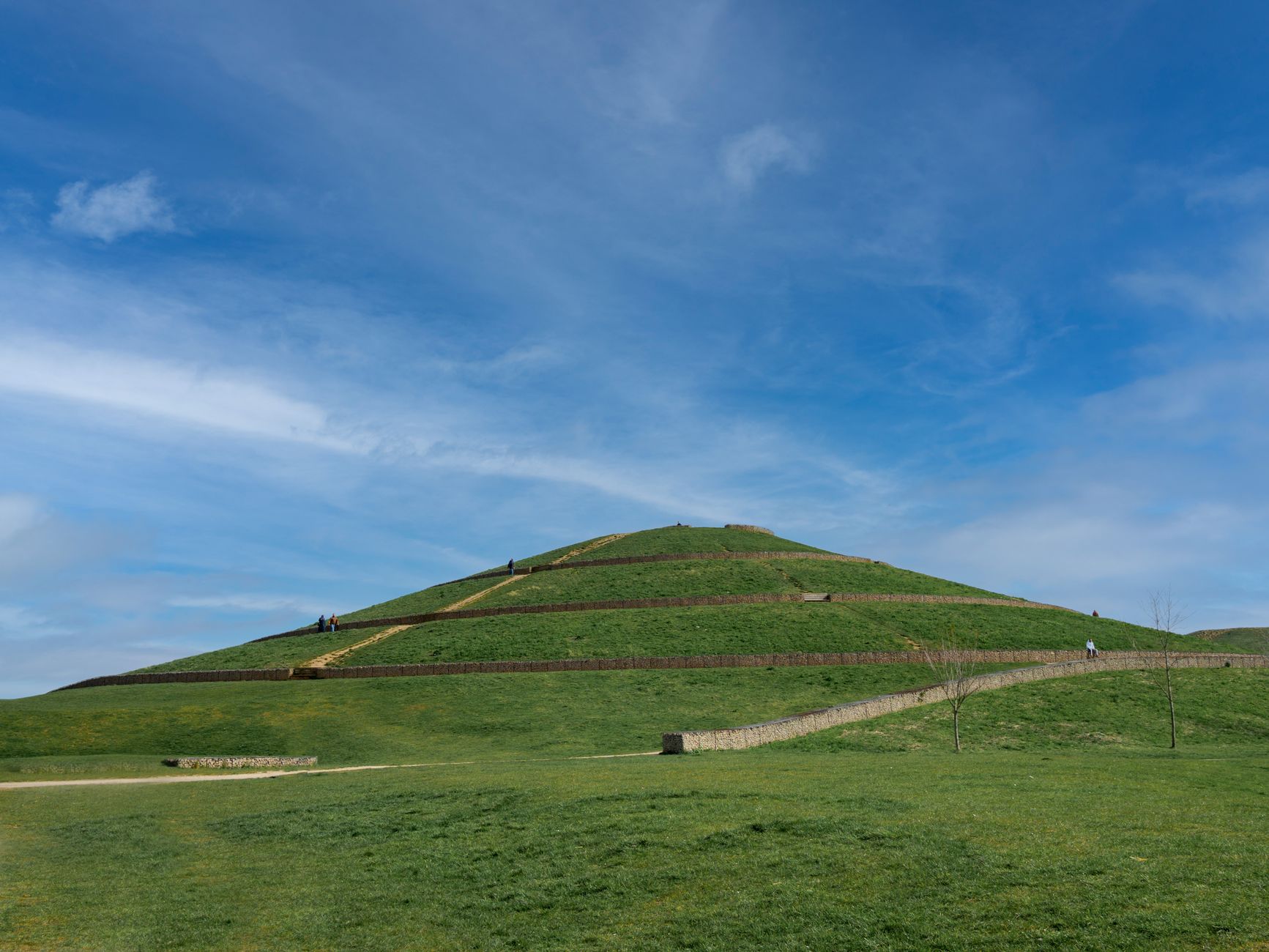
Frequently, the Púca is portrayed as a shape-shifter, possessing the ability to assume several forms, such as that of a horse, goat, cat, or even a human being. Generally, depictions depict it as a shadowy, dark figure, occasionally revealing luminous eyes. Katherine Briggs observes that the Púca frequently manifests itself during the nighttime, exemplifying the enigma and attraction that are associated with the rural terrain of Ireland (Briggs, 1978). It is well known that this monster has the potential to leave anyone who comes into contact with it bewildered and misled. The Puca’s association with rural settings, particularly mountains and hills, contributes to its enigmatic nature.
Púca is a creature that is renowned for its playful and occasionally vicious temperament. It would frequently make its appearance to travelers in the middle of the night, either disorienting them or giving them a shock. In certain narratives, the Púca is depicted as a benevolent guide who has the ability to assist lost travelers back to a secure location. Both the unpredictable and mysterious features of the forest itself are reflected in the Púca’s nature, which is characterized by its dual nature.
One of the most remarkable abilities possessed by the Púca is its capacity to change its shape at any given moment. This power extends not only to its physical shape, but also to its voice, which enables it to imitate the sounds of animals or human speech. According to John and Caitlín Matthews, the Púca has the ability to generate illusions, which can either cause passengers to get bewildered or lead them astray (Matthews & Matthews, 2005). In spite of its deceitful character, the Púca is not fundamentally malevolent; rather, it reflects the unpredictability and wildness that are intrinsic to the natural world.
According to the various accounts, the behavior of the Púca can range from being benevolent to being evil. There are also stories that describe it as being able to provide beneficial counsel or warnings to those who treat it with respect. Patricia Monaghan, in her work published in 2014, draws attention to specific situations in which the Púca is associated with a favorable outcome or a plentiful harvest, thereby illustrating its dual character. There are other tales in which it takes pleasure in causing havoc, such as making people stray from their intended path or terrorizing them with terrifying images.
Significance
In the realm of Celtic culture, the Púca maintains an important position as a representation of the unpredictability that exists within the natural world. It is frequently shown as a protector of the wild, and it is often used to symbolize both the splendor and the peril that nature may present. In order to serve as a reminder of the significance of honoring the land and the mysteries it possesses, the Púca is a symbol. According to Evans-Wentz in 1966, the Púca serves as a prominent reminder of the thin veil that separates the human world from the supernatural realm during celebrations like Samhain.
The Púca, a creature that is strongly rooted in Irish tradition, is sometimes shown with dark fur and glaring eyes, giving it an appearance that is threatening. Because of its ability to shift into a wide variety of animals, the creature is able to engage with humans in a variety of ways, frequently putting their character and intentions to the test. In certain areas, the Púca is also recognized as a forecaster of prosperous harvests, which serves as a representation of its multifaceted function within both the natural and human realms.
Welsh mythology refers to a creature very similar to this one as the Puca (or Pwca). Additionally, similar to the Púca, the Pwca is a mischievous fairy that has the ability to assume a variety of appearances, frequently manifesting as a huge bird or a black horse. The Pwca and its Irish equivalent have several similarities, one of which is the Pwca’s dual nature, which includes the ability to both cause trouble and occasionally assist people who respect it.

Púca as Faerie Creatures
A number of traits that are in accordance with conventional faerie legend have led to the Púca being regarded as a creature belonging to the faerie realm. In the first place, faeries are known to possess a variety of magical talents, including the ability to change their appearance and create illusions. This creature, with its powers, embodies the enchantment and unpredictability associated with faeries, engaging with people in mysterious and frequently naughty ways.
Furthermore, the Púca’s interconnectedness with the natural world serves to further strengthen its position as a faerie animal. It is a common sight in rural areas, especially at night, and it is a representation of the wild and mystical parts of nature. This relationship is a reflection of the larger faerie tradition, which holds that these beings are responsible for protecting or acting as spirits of the land.
From a cultural standpoint, the Púca possesses the dual nature of numerous faeries, exhibiting both benevolent and malicious characteristics. It embodies the complex relationship between humans and the faerie realm, holding the potential to bring either good fortune or turmoil, contingent on its handling.
One more thing that further solidifies the Púca’s position in the faerie tradition is the fact that it plays a significant role in celebrations such as Samhain, which are occasions where the line between the human and supernatural realms is thin. Its connection to Celtic celebrations of the supernatural world further strengthens its status as a faerie creature.
Comparisons
Other world myths contain creatures that are similar to these. Norse mythology describes the Huldra as a lovely forest spirit, renowned for its alluring personality and magical abilities. In Welsh tradition, the Ceffyl Dŵr is a water horse that possesses characteristics identical to those of the Púca. It is well-known for its ability to entice people to ride on its back before disappearing under water. These connections illuminate a widespread cultural curiosity about shape-shifting beings and their unpredictable behavior.
Native American mythology, notably among the Navajo, includes stories about the skinwalker, an entity that has the ability to turn into a variety of animals. These stories are sometimes associated with evil magic and cautionary tales about skinwalkers. Skin-walkers, in contrast to Púca, are often depicted as witches who are malicious and take advantage of their abilities to cause harm to others. It is widely believed that they can transform into any animal of their choosing, and the transformations that they undergo are sometimes associated with evil intentions.
A significant presence of the Púca may also be found in contemporary literary works and popular culture. Books, movies, and even video games frequently portray it as a multifaceted figure, possessing both beneficial and detrimental characteristics. Because of its dual nature, the Púca is able to maintain its relevance by being able to be adapted to a wide range of narratives and themes, ranging from fantasy to horror. In Seamus Heaney’s poetry, for instance, the Púca is employed as a metaphor for the unpredictability of the forces that govern life (O’Donoghue & Lavan, 2023).
Conclusion
It may be stated that the Púca, a captivating figure in Celtic mythology, embodies the unpredictable and frequently dual aspect of the natural world. Its ability to transform into various forms and its mischievous behavior have captivated humans since ancient times, influencing cultural expressions and storytelling. Despite its status as a symbol of both chaos and potential, the Púca continues to attract audiences, maintaining its place in both ancient lore and modern imagination.
References
Briggs, K. (1978). Encyclopedia of fairies: Hobgoblins, brownies, bogies, & other supernatural creatures. Pantheon Books.
Matthews, J., & Matthews, C. (2005). The Element Encyclopedia of Magical Creatures. HarperElement.
Monaghan, P. (2014). The encyclopedia of Celtic mythology and folklore. Infobase publishing.
O’Donoghue, B., & Lavan, R. (2023). Collecting Heaney’s Poems, Familiar and Unfamiliar. Éire-Ireland, 58(1), 77-96.
Wentz, W. E. (1966). The fairy-faith in celtic countries. Рипол Классик.



Leave a Reply