
Research has demonstrated a connection between the divine feminine and faeries. The concept of the divine feminine has a long history, dating back to the earliest civilizations and religious systems. Sacred feminine energy is believed to permeate the universe, and it is considered to embody the nurturing, creative, and life-giving aspects of nature. This symbol represents the sacred feminine energy. People sometimes personify this divine feminine spirit as a goddess or a primal mother figure, admired for her ability to bring forth and maintain all kinds of life.

Divine Feminine and Faeries
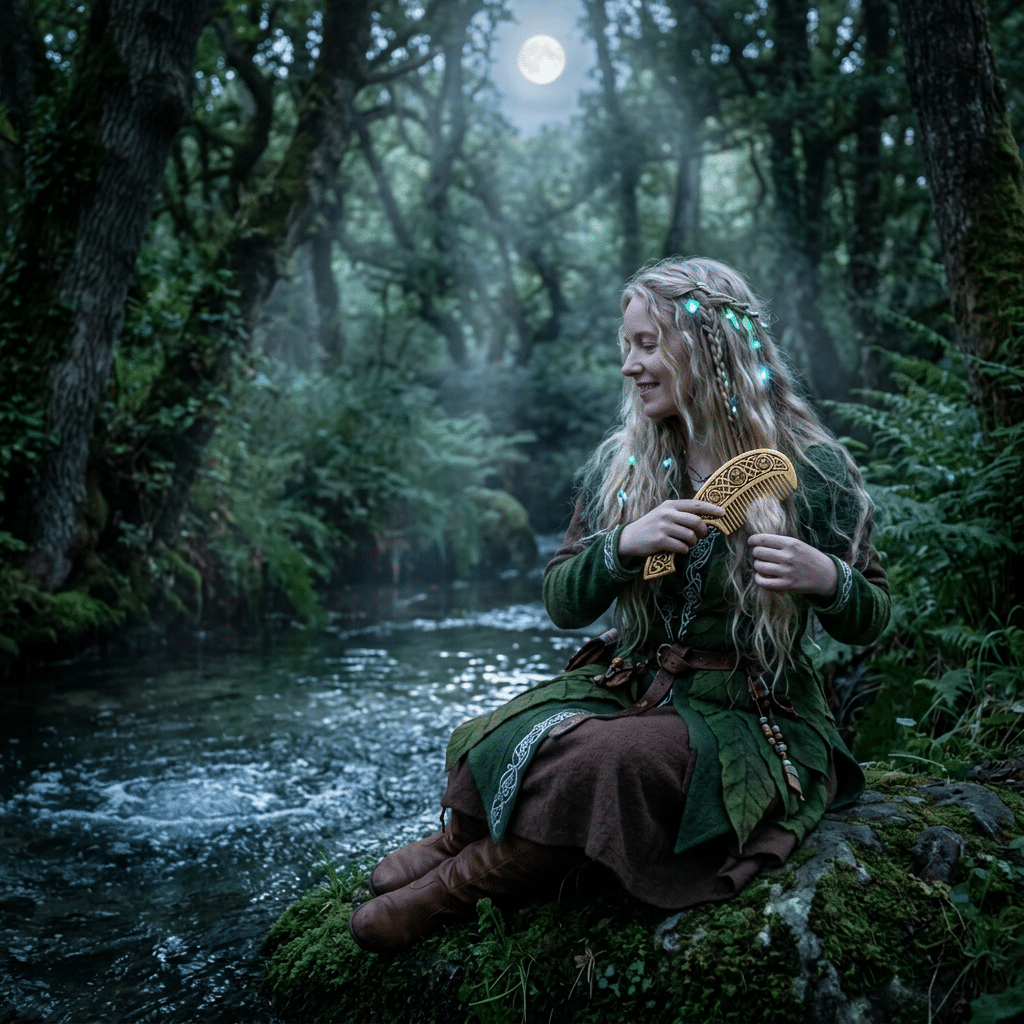
The realm of faeries holds a manifestation of the divine feminine, one of the most intriguing forms. These ethereal beings, often depicted as small animals with wings, possess an inextricable connection to the natural world and its rhythms. Because of their role as guardians and embodiments of the earth’s beauty, fertility, and regeneration powers, faeries are a perfect symbol of the divine feminine.
The tight relationship that faeries have with the cycles of nature is a clear indication of the connection that exists between them and the divine feminine. It is thought that faeries are the guardians of the natural world, assuring the continuing development and rebirth of plants, trees, and all living beings. The reverence for the divine feminine’s capacity to nurture and nourish life is similar to this. They are believed to reside in magical forests, glades, and meadows, where they watch over the delicate balance of the ecosystems that they inhabit, according to popular belief.
Furthermore, depictions often portray faeries as lively, mischievous, and possessing a strong connection to the worlds of magic and wonder that exist beneath the surface of the visible world. This resonates with the capacity of the divine feminine to undergo transformation, have creative expression, and bring about the birth of new life. It is believed that faeries act as intermediates between the physical and spiritual realms, bridging the gap between the visible and the invisible. This is analogous to the religious concept of the divine feminine, which symbolizes the unseen forces that are responsible for the creation of everything that exists.
Additional examples strengthen the connection between the divine feminine and certain fairy tales and folklore. For instance, the myth of the fairy queen frequently portrays her as a powerful and benevolent ruler of the land of the faeries, evoking ancient goddesses revered for their authority over nature and fertility. The ability of the fairy queen to bestow blessings or curses upon mortals is a reflection of the divine feminine’s propensity to be both nurturing and terrible in her power.

Divine Feminine and Faeries in Literature
Faerie literature has long served as a rich tapestry for exploring and celebrating the divine feminine. Faerie works depict the divine feminine in a number of important ways, including the following examples:
A Midsummer Night’s Dream by William Shakespeare:
Titania, the fairy queen, is a powerful personification of the divine feminine in this classic play. She is the queen of the fairies. She commands respect and possesses magical powers in the fairy realm, allowing her to exert control over nature and fertility. Titania’s argument with Oberon, the fairy king, is symbolic of the conflict between male and feminine forces, with the divine feminine ultimately emerging victorious as a result of her relationship with the natural world.
Stardust by Neil Gaiman:
Lady Una, a figure in Gaiman’s novel, embodies the divine feminine archetype. In addition to being a strong enchantress, she is also the monarch of the Faerie realm. She possesses ancient knowledge and a profound connection to the natural elements and their cycles. As a reflection of the divine feminine’s potential for creation and rebirth, Lady Una possesses the ability to modify both herself and the environment around her.
The Faerie Queene by Edmund Spenser:
Through the allegorical figure of the Faerie Queene herself, Spenser’s epic poem is a celebration of the divine feminine qualities that are present in the world. She embodies the caring and protective elements of the divine feminine, and she is a representation of the values of truth, temperance, and justice. The poem depicts the Faerie Queen’s mission and her encounters with various faerie beings as metaphors for the path towards enlightenment and the embracing of the sacred feminine.
The Folk of the Air series by Holly Black:
Vivienne Duarte, the High Queen of Fairies, is a captivating depiction of the divine feminine in this contemporary fairy tale. She is the protagonist of the story. She commands their respect and allegiance because she is a formidable and furious power. Vivienne’s ability to wield tremendous magic and her connection to the natural world evoke ancient goddess archetypes associated with the divine feminine.
The Perilous Gard by Elizabeth Marie Pope:
In this book for young adults, the main character, Kate, has a meeting with the mysterious and intriguing Lady of the Gard, who turns out to be the Queen of Faeries. In addition to her relationship to the natural world and the cycles that it entails, the Lady reflects the maternal and protective qualities that are associated with the divine feminine. Kate’s ability to overcome the problems she faces is a representation of the divine feminine’s role as a source of strength and enlightenment. Her advice and wisdom enable Kate to navigate the challenges she faces.
Conclusion
Because of their reverence for the natural world, their capacity to inspire awe and wonder, and their representation of the unseen forces that control life, growth, and transformation, the divine feminine and faeries share a profound connection. Their love for the natural world forms the foundation of this connection. Faeries embody the essence of the divine feminine, acting as protectors and embodiments of the earth’s beauty and fertility. They serve as a reminder of the sacred feminine energy that is responsible for giving life to all that exists. The divine feminine and faeries are strongly connected.
References
Shakespeare, W. (1600). A midsummer night’s dream. Thomas Fisher.
Gaiman, N. (1999). Stardust. Avon Books.
Spenser, E. (1590). The faerie queene. William Ponsonbie.
Black, H. (2018-2021). The folk of the air series. Little, Brown Books for Young Readers.
Pope, E. M. (1974). The perilous gard. Puffin Books.

Leave a Reply