
Myrtles Plantation is a magnificent antebellum manor nestled among lush settings in St. Francisville, Louisiana. It has captivated the imagination of paranormal aficionados worldwide. This historic home is a tribute to the rich cultural legacy of the Deep South, with its opulent columns and elaborate ironwork. Beyond its stunning architecture, Myrtles Plantation is known for being among America’s most haunted locations, where the line between the living and the dead appears to be blurring.

Haunted Myrtles Plantation
Constructed in 1796, Myrtles Plantation has a rich past entwined with enigmatic and tragic stories. The plantation’s main home radiates a sense of timeless beauty with its unique octagonal architecture and elaborate embellishments. Huge fields that once supported thriving sugarcane crops and slave quarters surround the mansion; these locations are now silent reminders of the past (Kermeen, 2007).
There are many tales of paranormal activity at Myrtles Plantation, ranging from disembodied voices and apparitions of historical figures to unexplained footsteps resonating down empty passageways. Both guests and employees have related stories of encounters with phantoms, ranging from hearing children laugh to seeing a woman in a long, antebellum gown glide among the rooms. Myrtles Plantation is notorious for the story of Chloe, a former slave who allegedly endured unfair punishment and now haunts the property. Rumor has it that her handprints, burned into one of the wooden surfaces of the mansion, are a terrifying reminder of her suffering. There are rumors of a young woman named Sarah, whose untimely death has permanently altered the spirit of the estate (Vaughn, 2012).
Union forces allegedly ransacked Myrtles Plantation during the turbulent years of the Civil War, placing it at the center of the fighting. During this savage invasion, three Union soldiers died within the walls of the home itself, according to legend. One of the most terrifying and persistent haunting phenomena connected to the plantation is a mystery blood stain, which has its origins in this gloomy story. This sinister red stain, which is almost the size of a human body, is located in a doorway and will not go away no matter how hard you try to clear it off. While detractors have proposed a variety of explanations, such as superstitious embellishments or lingering dye stains, many people find this frightening stain to be a somber reminder of the tragedy that once took place within these walls. People speculate that the plantation’s ghostly legacy may still contain the blood of the slain soldiers, causing visitors to experience unexplained goosebumps or a sense of dread when near the stain (Southall, 2015).
One of the numerous agitated ghosts rumored to prowl the hallways of Myrtles Plantation is the spectral presence of a little child who died tragically in 1868. Despite a local voodoo practitioner’s call to assist her, the plantation’s history irrevocably changed when her life ended. Many others have reported seeing her ghostly apparition in the room where she passed away, serving as a terrifying reminder of the horror that took place inside those walls. Perhaps even more unsettling are the reports of her alleged paranormal activities. Some visitors report witnessing unexplainable events, which believers attribute to the girl’s persistent use of unsuccessful voodoo techniques. Rumors circulate about objects moving unexplainably, invisible forces pulling at bed linens, and an overall uneasiness that permeates the space, as if the restless soul uses the very rituals that were unable to stop her premature death to exact revenge or find comfort.
In addition to the haunting tales of the young girl, Myrtles Plantation is renowned for another infamous ghost: a ghost that has been observed ascending the staircase and collapsing on the seventeenth step. Many people think that this unsettling occurrence is the haunting spirit of William Drew Winter, who was the victim of the only confirmed murder that ever happened on the farm. Legend has it that Winter was shot on the main house’s front porch, and in his last moments, he crawled up the steps or staggered, leaving a trail of blood behind him. Sadly, he lost all strength on the seventeenth step, where he expired. Visitors have witnessed a shadowy figure ascending the stairs, occasionally stumbling or crawling, before disappearing or collapsing at the infamous 17th step. Some have reported experiencing an unexplainable feeling of dread or heaviness when arriving at that specific step, as though the energy from Winter’s brutal demise continues to linger there.

Theories
There are different theories about the paranormal activity at Myrtles Plantation. Some explain the hauntings by pointing out the plantation’s violent, tragic, and sinister history—a legacy of slavery. Some people speculate that the land itself might be a spiritual energy hub that draws and intensifies paranormal activity. However, debunkers write these stories off as the product of exaggerated imaginations or incorrect interpretations of actual events.
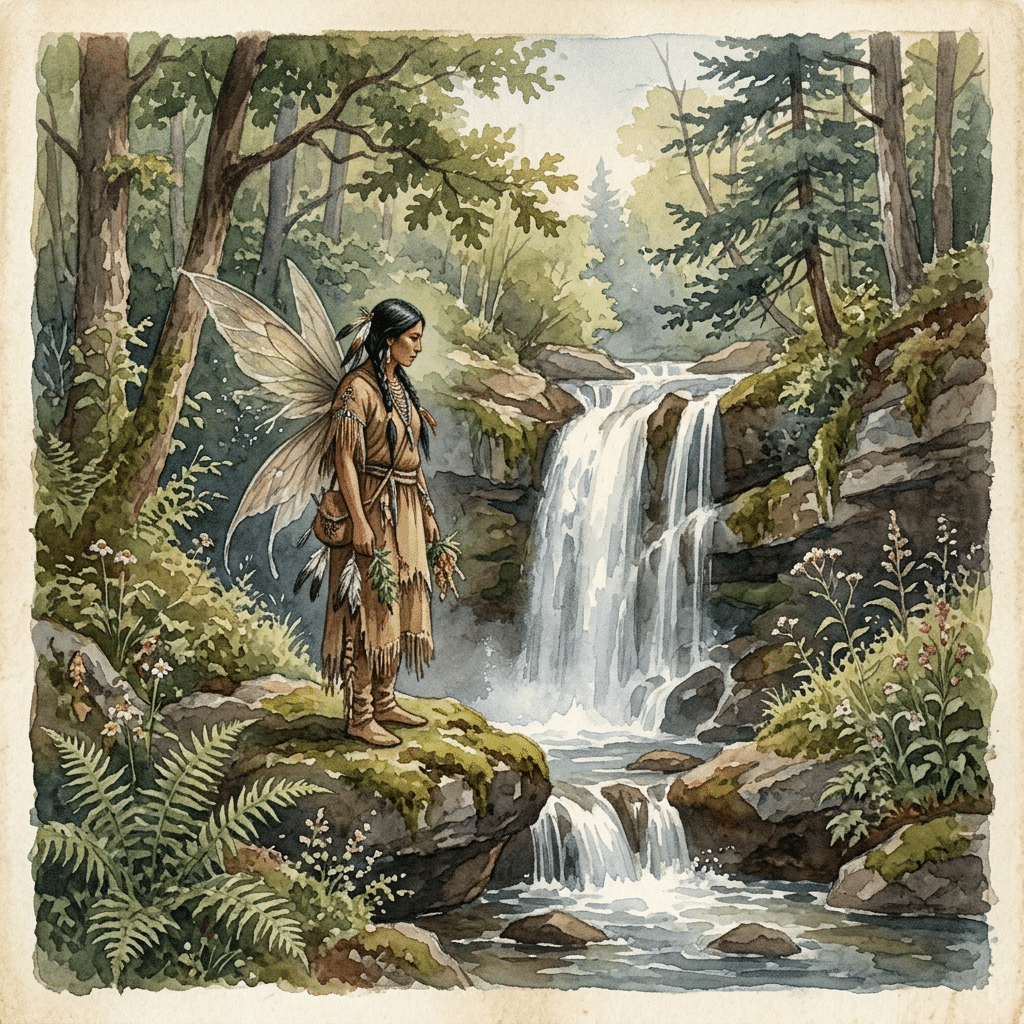
Many people believe that Myrtles Plantation’s paranormal activity stems from the mansion’s construction on an Indian graveyard. This idea is highly critical in the world of paranormal lore, since many people think that upsetting holy resting places might release restless souls confined to the earth. Witnesses claim to have seen the spectral image of a young Native American woman on the plantation grounds; she is frequently characterized as a solemn presence wearing traditional clothing. Some tourists report feeling intense melancholy and anxiety in specific locations, a feeling they attribute to the destruction of sacred graveyards. This notion suggests that the spirits of individuals who formerly called this place home may still linger, reluctant or unable to find ultimate rest, adding another layer of mystery to the plantation’s eerie tapestry.
Analysis
The Myrtle Plantation stories have elicited a variety of responses. The idea that souls are eternal and search for comfort or justice for their misfortunes on earth gives believers comfort. Paranormal investigators swarm to the location, armed with specialized equipment, in the hopes of obtaining conclusive evidence of the unexplainable. Others, meanwhile, don’t believe the stories and think they’re just folklore or exaggerations.
The eerie legends and ghost stories associated with Myrtles Plantation have had a significant influence, capturing the interest of both tourists and paranormal aficionados. Because of these tales, the plantation has become a true destination for people looking for inexplicable experiences, drawing hordes of people eager to witness the terrifying occurrences that have come to be associated with this ancient location (Bisello, 2024).
The influence of these tales extends beyond the plantation’s physical boundaries, as they have become deeply ingrained in the collective psyche of the paranormal community. Numerous publications, documentaries, and television programs devoted to delving into the paranormal have highlighted Myrtles Plantation. These tales enhance the plantation’s image as a hive of paranormal activity, pique people’s interest and ignite their desire to solve the secrets that reside behind its walls.
Furthermore, the stories have positively impacted the local economy in a noticeable way. Myrtle Plantation has become a well-liked tourist destination, drawing people from all over the world, thanks to the attraction of possible ghostly experiences. The local economy has benefited greatly from this surge in paranormal tourism, which has supported establishments ranging from restaurants and motels to tour companies and gift stores (D’Harlingue, 2015).
The eerie stories have helped preserve the plantation’s rich cultural legacy in addition to their economic advantages. Stories and legends, passed down from generation to generation due to the site’s everlasting fascination with its supernatural past, collectively remember the plantation’s stormy past and the lives of those who once called it home.
These tales have an influence that even penetrates the field of science. Researchers and investigators into paranormal phenomena have turned their attention to the plantation, and they visit the location with a variety of sophisticated tools in the hopes of obtaining solid evidence of the unexplainable occurrences. Whether their discoveries support or refute the stories, they contribute to the ongoing conversation about the nature of the paranormal and the limits of our understanding of reality.
Conclusion
Essentially, the eerie tales of Myrtles Plantation have become more than just folklore; they are now a part of our culture and continue to influence our general obsession with the paranormal. They have preserved the rich history that has made this estate a lasting source of interest, transforming a historic site into a living tapestry of mystery and challenging us to face our worst fears and questions.
Myrtles Plantation’s rich history and eerie charm never fail to enthrall guests, regardless of their beliefs about the paranormal. This mysterious estate encourages investigation and reflection on the mysteries that lay beyond the curtain of the known world, whether one is looking for a glimpse into the past or a close encounter with the paranormal.
References
Bisello, M. (2024). Haunted Plantations: Dark Tourist Experiences in Post-Reconstruction Fiction. Università Ca’ Foscari Master Thesis.
D’Harlingue, B. (2015). On the plantation with ghosts: Antagonisms of slavery tourism. South Carolina Review, 47(2), 74-92.
Kermeen, F. (2007). The Myrtles Plantation: The True Story of America’s Most Haunted House. Hachette UK.
Southall, R. (2015). Haunted Plantations of the South. Llewellyn Worldwide.
Vaughn, H. A. (2012). A critical ethnography of The Myrtles Plantation in St. Francisville, Louisiana with ruminations on hauntology. Louisiana State University and Agricultural & Mechanical College.

Leave a Reply