
The Greenbrier Ghost is a fascinating court case in America, where paranormal testimony purportedly solved a murder. This remarkable story took place in Greenbrier County, West Virginia, in the late 19th century, among rural farmland and rolling hills. At the time, the area was a relatively remote but developing one, influenced by railroad development, agriculture, and the aftermath of the Civil War. It is also a rare ghost legal case.

Murder
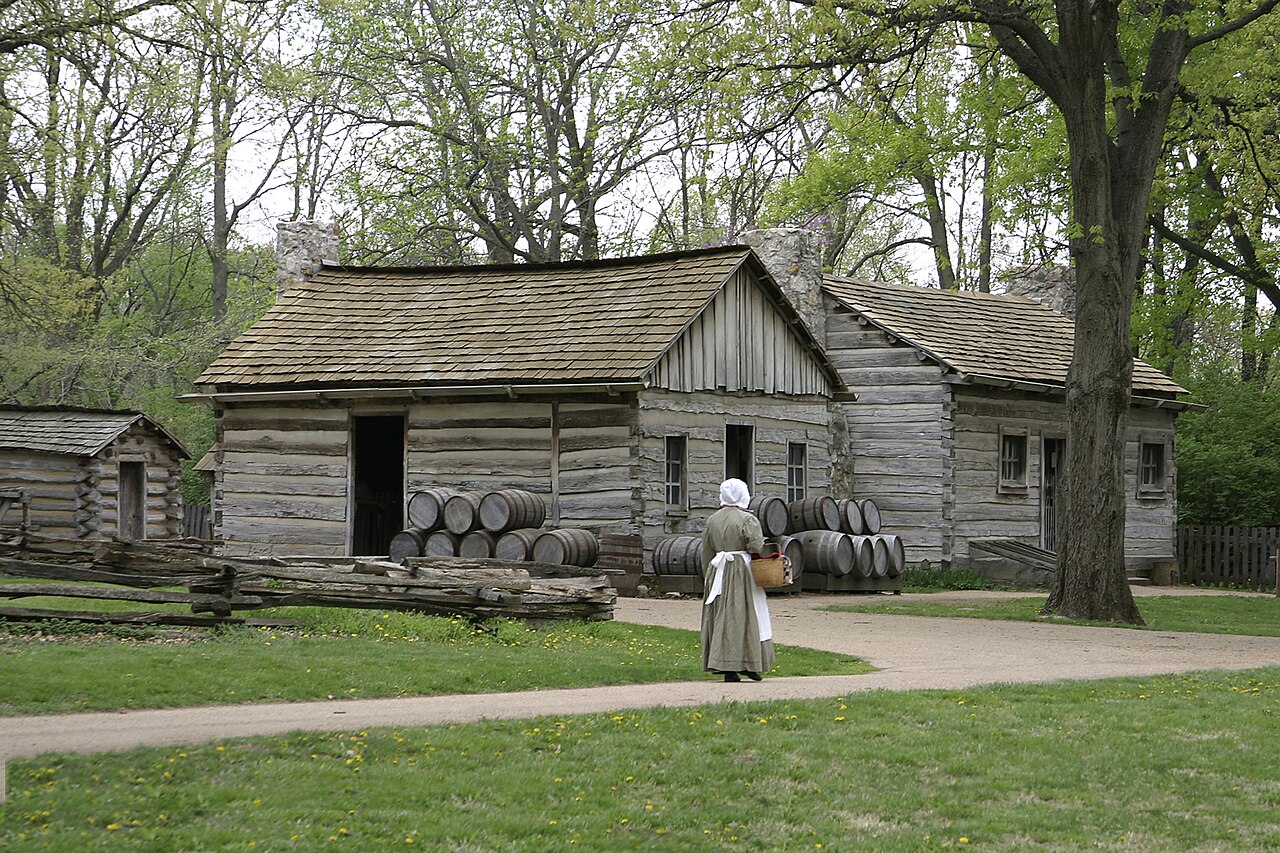
Greenbrier County was a patchwork of small farms and settlements in 1896, with Lewisburg, the county seat, acting as the main center of law and trade. Strict social hierarchies, fervent religious convictions, and deeply ingrained superstitions that frequently influenced day-to-day activities were characteristics of the region. Zona Heaster married Erasmus Stribbling Trout Shue, a blacksmith who had just lately relocated to the area in this environment. Tragically, their marriage did not last long (Guiley, 1992).
On January 23, 1897, a small child on an errand discovered Zona’s body. Shue, her husband, immediately took charge of the situation, dressing the body himself and angrily preventing a thorough examination at the wake. He covered her body with a stiff-collared, high-necked dress and forbade anyone from getting a close look at her neck. Shue’s hovering presence hindered the local doctor’s quick examination, which resulted in an early diagnosis of “everlasting faint” as the cause of death.
However, Mary Jane Heaster, Zona’s mother, started having intense nightmares in which she saw the soul of her daughter. Mary Jane claimed to have had four consecutive visits from Zona’s ghost, who said Shue had crushed her neck in a fit of passion over his doubts about her faithfulness. The ghost allegedly demonstrated the shattered neck by rotating her head 360 degrees. Mary Jane presented this paranormal proof to John Alfred Preston, the county prosecutor, whose steadfast testimony so moved him that he ordered the exhumation of Zona’s body.
After the autopsy showed that Zona’s neck was actually broken, more research revealed Shue’s violent history, which included two previous marriages that ended in divorce and death. The subsequent trial admitted Mary Jane’s testimony on her paranormal visits as evidence, despite the ghost’s declarations not being directly admissible. Following his conviction for murder and life sentence, Shue passed away in 1900 (Bailey, 2011).
Legal Significance
The legal significance of the case goes beyond its paranormal components. It is one of the rare cases in American law when testimony regarding the presence of a ghost affected the course of a criminal investigation and trial. The case shows how cultural beliefs and tenacious advocacy from a victim’s family may impact the legal system of the period, even though the ghost’s “testimony” was not the main piece of evidence that led to Shue’s conviction (Southall, 2003).
The Greenbrier Ghost is now a well-known story of supernatural justice in popular culture. Numerous books, articles, and dramatic adaptations, such as plays and TV shows, have been based on the story. Greenbrier County honors the case with two historical markers, marking the only instance where the American court system formally acknowledges the role of ghostly testimony. The narrative continues to draw history fans and paranormal aficionados to the area, boosting local tourism and folklore.

Ghost Tourism
In terms of American historical recognition, the two historical markers honoring the Greenbrier Ghost case are exceptional items. The Methodist cemetery where Zona Heaster Shue was laid to rest is marked by the first marker, which reads “Interred” and is situated next to Sam Black Church in West Virginia. The second sign, “Death by Murder,” stands near the Greenbrier County Courthouse in Lewisburg, the site of the trial, on U.S. Route 60 (Hartzman, 2021).
The West Virginia Department of Archives and History placed these markers, which are especially noteworthy since they signify the state’s formal acknowledgment of a supernatural component in a court case. It may be the first government-approved historical marker in the US that acknowledges a ghostly appearance as a component of a historical event, as the marker language specifically refers to Zona’s ghost’s presence to her mother.
In Greenbrier County, the markers are now the main destinations for paranormal tourism. Ghost hunters, paranormal investigators, and curious people frequently visit both sites, especially on Halloween or the anniversary of Zona’s passing. Businesses in the area have benefited from this interest by giving paranormal enthusiasts lodging, ghost tours, and souvenir sales. Photographs and newspaper articles pertaining to the case are on display in a few local eateries and stores.
The courthouse, where the trial took place, holds particular significance. Despite the updates to the old structure, visitors frequently ask to see the courtroom where the ghost testimony took place. Local historians and tour guides have created specialized tours that cover both the ghost story and the historical background of 1890s Greenbrier County. Additionally, Greenbrier County now hosts an annual cultural event honoring local history and tradition as a result of the lawsuit. At these gatherings, historical reenactors play important characters from the case, such as Edward Shue, Zona, and Mary Jane Heaster, while local storytellers enact theatrical versions of the Greenbrier Ghost tale.
Folklore
The combination of official recognition and paranormal tourism has preserved the story itself and specifics about life in late 19th-century West Virginia. The markers are valuable resources for both historical and supernatural education since visitors who are learning about the ghost story frequently also learn about period attire, social mores, legal processes, and day-to-day living in Victorian-era Appalachia (Pulliam & Fonseca, 2016).
The Greenbrier Ghost case, a significant component of West Virginia’s rich folklore, has deeply embedded itself in the state’s eerie legacy and cultural identity. Folklore in West Virginia before this case mostly consisted of Civil War stories, indigenous traditions, and tales of enigmatic animals like the Flatwoods Monster and the Mothman. By fusing recorded court cases with supernatural aspects, the Greenbrier Ghost gave this tradition a unique twist.
The instance validated and strengthened existing Appalachian beliefs in “haints” (ghosts) and visits from the dead. West Virginia folklore, especially in the mountain towns, deeply ingrained the idea that the dead may speak to the living, especially to make amends or disclose secrets. The Greenbrier Ghost case seemed to validate these ideas by demonstrating the potential practical applications of these paranormal communications.
The tale has been handed down through the centuries and is now a common occurrence at family get-togethers, storytelling events, and folk festivals in West Virginia. The narrative has become part of the repertoires of local tour guides, historians, and folklorists, who use it to depict the history and mystical legacy of the area. The state’s official recognition of the event through historical markers has further solidified its status in local folklore.
The case has also impacted West Virginians’ perceptions of the connection between justice and the paranormal. The Greenbrier Ghost is a singular story of supernatural intervention in the service of earthly justice, reflecting the strong sense of justice and familial loyalty that defines Appalachian culture. In contrast, many ghost stories center on retaliation or unresolved haunting.
Conclusion
In American history, the Greenbrier Ghost case continues to be an intriguing nexus of justice, law, and legend. It illustrates how the tenacious pursuit of justice can occasionally lead to unexpected outcomes, in addition to reflecting the social and cultural milieu of West Virginia in the late 19th century. Although contemporary court processes are unlikely to accept supernatural testimony, the case serves as a reminder that cultural beliefs and tenacious research can cooperate to reveal the truth, even in the most unusual situations.
References
Bailey, D. (2011). Ghosts in America. The Rosen Publishing Group, Inc.
Guiley, R. (1992). The encyclopedia of ghosts and spirits (pp. 277-279). New York: Facts on File.
Hartzman, M. (2021). Chasing Ghosts: A Tour of Our Fascination with Spirits and the Supernatural. Quirk Books.
Pulliam, J. M., & Fonseca, A. J. (Eds.). (2016). Ghosts in popular culture and legend. Bloomsbury Publishing USA.
Southall, R. (2003). How to be a Ghost Hunter (Vol. 2). Llewellyn Worldwide.

Leave a Reply