
Between 1764 and 1767, the Beast of Gévaudan, a notorious and mysterious beast, tormented the once-provincial Gévaudan, located in the Margeride Mountains of south-central France (now modern-day Lozère and part of Haute-Loire). The identity of this beast has been a topic of discussion for ages, with theories ranging from wolves to otherworldly entities. Among the several ideas, one that stands out as very plausible is the idea that a cult may have been involved stands out as very plausible. This mysterious creature continues to have an impact on popular culture and leaves a lasting legacy in French history.
The Beast
The fabled Beast of Gévaudan, which haunted Gévaudan’s French countryside, was not your typical predator. Eyewitness accounts depict a terrifying creature that was larger than a wolf, with a powerful build and a commanding demeanor. It stood out with its broad chest and a large mouth filled with razor-sharp fangs, capable of causing great harm to its prey.
Its terrifying claws were only another addition to its impressive armory, terrifying everyone who was unlucky enough to come into contact with it. People described its fur as reddish, with a dark stripe running down its back.
But this beast’s remarkable power and agility were what really made it stand out from other predators, not simply its physical attributes. This mysterious creature showed a disturbing penchant for attacking its prey’s head or neck regions, in contrast to regular predators that usually target weak spots like limbs or vital organs.
Cult Theory
As detectives dug deeper into these horrific attacks, they discovered even more unsettling evidence: indicators that might point to possible cult involvement. The dispersal of these unsettling finds throughout the attack locations revealed a sinister link between these terrifying animals and a covert organization carrying out nefarious rites.
The implications were very unsettling; could this hidden organization have forged some sort of terrible deal with supernatural forces? Was this horrible creature just a facade for murder committed by a Satanic cult?
From 1764 to 1767, people credited the Beast of Gévaudan with causing destruction. The beast’s attacks on over 200 targets during these three years are believed to have killed about 100 people, mostly women and children. The beast’s attacks instilled fear, prompting professional hunters, locals, and even King Louis XV to dispatch troops on organized hunting expeditions.
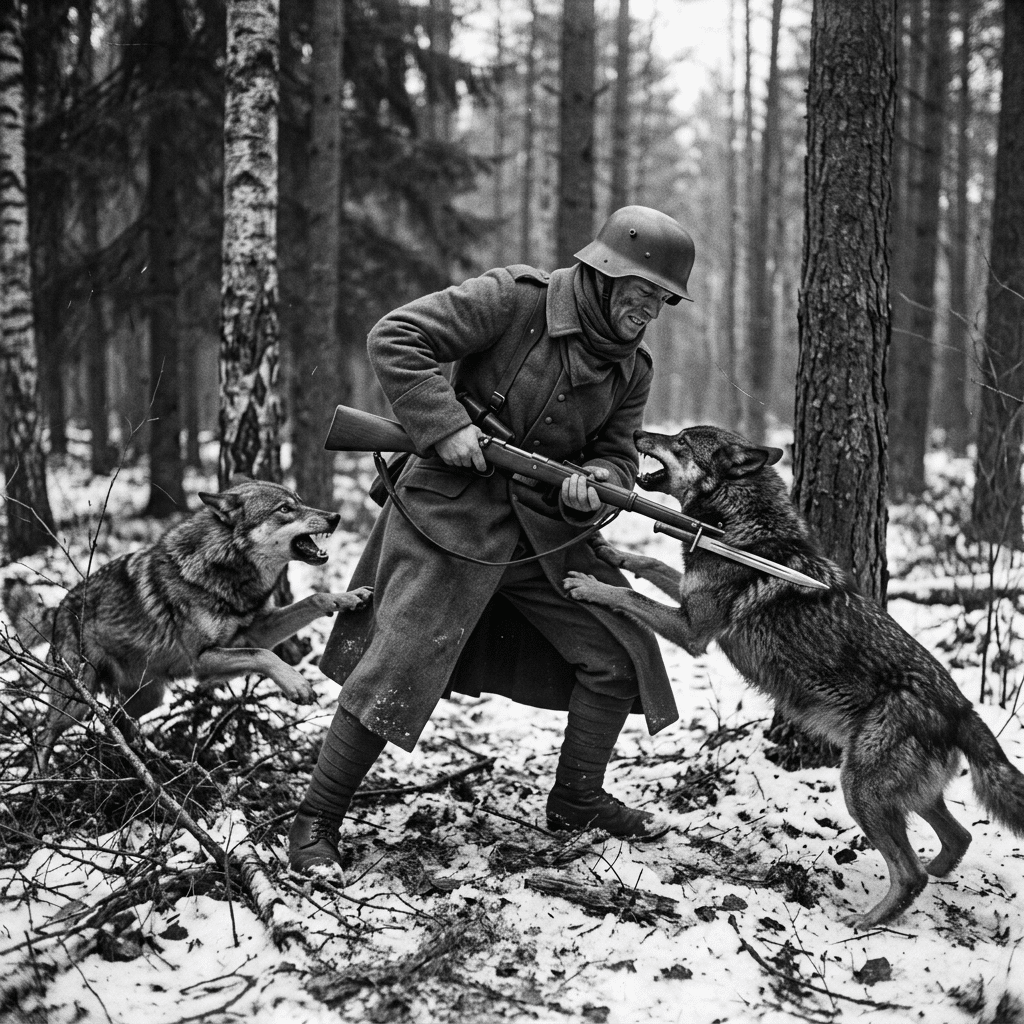
A young woman described the first notable incident, successfully defending herself with a bayonet. Following this occurrence and other attacks, the local community and government decided to take action.
Despite multiple hunting missions, the beast remained unapprehended for years. François Antoine, the king’s hunt lieutenant, is credited with killing the beast for the first time when he slew a huge wolf in September 1765. Still, the attacks persisted. According to werewolf mythology, a local farmer named Jean Chastel killed the beast in June 1767 by inserting a silver bullet into his gun.

Theories
There have been several proposed theories about the Beast of Gévaudan. Given that wolves were common in Europe at the time, the most widely accepted view holds that the beast was an exceptionally large or violent wolf. Some speculate that it might have been a mix of a wolf and a dog, which would explain its strange behavior and size.
There have also been theories about exotic animals, like lions or hyenas, possibly escaping from a managed area. However, given the historical and geographical context, these theories appear less credible.
Given the enigmatic events that have occurred, some have proposed fascinating paranormal theories to explain these happenings. One such thought that has piqued people’s interest is the connection between a werewolf and these unexplained events. There is no denying that throughout human history, stories of shape-shifting animals like werewolves have frequently appeared in folklore and traditions, despite the fact that many people find this idea unrealistic and outlandish.
Popular mythology typically describes a werewolf as a human with the ability to transform into a wolf or monster, similar to a wolf, during specific moon phases or under specific circumstances. These mythological creatures, in their lupine form, are believed to possess heightened physical characteristics and animalistic tendencies.
The notion that a werewolf might be responsible for these perplexing occurrences lends mystery and fascination to an already intriguing scenario. In the past, werewolves were a commonly accepted theory to explain the attacks.
Some have proposed a more human explanation, suggesting that a larger religious or political agenda may have tamed or managed to use the wolf beast.
This intriguing theory suggests that a covert cult might have orchestrated the horrific reign of the beast. According to this fascinating theory, the animal may have been a highly trained animal or possibly a group of animals expertly employed by this shadowy organization to create panic, spread terror, or further their political or religious objectives. If validated, this notion would explain the beast’s strange behavior and remarkable ability to avoid capture with remarkable ease. It is impossible to ignore the fact that humans were deliberately involved in the creature’s attacks, which begs the issue of who these mysterious people might be and why they would use such extreme measures to further their evil objectives.
Though speculations about its form and origins have changed over time, one particularly intriguing theory is that this mysterious beast might have been a cover for a covert cult that offered human sacrifices to Satan or other evil gods.
Analysis
Examining this intriguing theory, one finds a horrifying story entwined with taboo, secrecy, and horrifying rituals. Word of vicious attacks attributed to the Beast spread throughout Gévaudan’s towns, prompting some scholars to suggest that a shadowy organization carefully manufactured these episodes to conceal their actual goals behind the horrific murders.
Further examination of this concept reveals details that point to ritualistic sacrifice within an occult society. The connection between these heinous deeds and ancient, clandestine rituals prompts further inquiries into this complex historical enigma. Could it be that, in the middle of the mayhem brought about by the roving Beast, a malevolent organization was taking advantage of people’s dread and anxiety for its own evil ends?
Though hard data to back up these allegations is still in short supply, several ominous indications give this unsettling prospect some weight. Mysterious symbols discovered at crime scenes allude to occult knowledge and sorcerous methods connected to sinister rituals frequently connected to cult activities.
The Beast of Gévaudan embodies the battle between wild creatures and humans that emerged as human settlements grew into once-natural habitats for wildlife. The anxiety and fear it incited are a reflection of the unknown’s power and the terror it may engender in a community.
The story also highlights the conflict between natural events and supernatural interpretations, which was a prevalent issue in the Age of Enlightenment. The long-standing enigma surrounding the Beast of Gévaudan can be interpreted as a metaphor for the quest to comprehend and manipulate nature.
The Beast of Gévaudan is a remarkable fusion of natural history, folklore, and political intrigue. In particular, the cult idea provides a distinct interpretation of the events by incorporating a human conspiracy element into the conventional story.
The tale of the Beast of Gévaudan has impacted literature, movies, and television, leaving a lasting impression on popular culture. The idea of a cult planning the beast’s attacks has influenced popular media, adding a human conspiracy aspect to the classic narrative.
It has appeared in a great deal of literature and has been the basis for a number of films and television shows, including Brotherhood of the Wolf and Teen Wolf, where it is a supernatural being.
The beast has also influenced the local culture of the former Gévaudan region. The Musée Fantastique de la Bête du Gévaudan focuses on the beast, making it a popular theme for celebrations and tourism attractions in the area.
Conclusion
Whether it is a wolf, a hybrid, an exotic animal, a supernatural being, or the product of cult activity, the Beast of Gévaudan never fails to pique people’s interest. Popular culture and historical records perpetuate its legacy, demonstrating the fascination of unsolved historical enigmas, the enduring power of mystery, and the potential darkness of human manipulation.
References
DeMello, M. (2023). Sinister Canines in the Media: Animals in Popular Culture. In The Routledge International Handbook of Human-Animal Interactions and Anthrozoology (pp. 677-689). Routledge.
Dixon, D. P. (2013). Wonder, horror and the hunt for La Bête in mid-18th century France. Geoforum, 48, 239-248.
Fehlmann, M. (2020). The Beast of Gévaudan as a history of the changing perceptions of fatal human–wolf interaction. In Managing the Return of the Wild (pp. 12-28). Routledge.
Schwalb, S. R., & Romero, G. S. (2016). Beast: Werewolves, Serial Killers, and Man-Eaters: The Mystery of the Monsters of the Gévaudan. Skyhorse.
Smith, J. M. (2016). Dreadful enemies: The “beast,” the hyena, and natural history in the enlightenment. Modern Intellectual History, 13(1), 33-61.
Smith, J. M. (2011). Monsters of the Gévaudan: The making of a beast. Harvard University Press.

Leave a Reply