
Mysteries and evildoers masquerading as witches have long been staples of children’s literature. Witches have been portrayed with a range of nuanced depth, from the malicious to the caring, and have served as a platform for cultural and moral worries. Witches in fairy tales are complex characters, and this essay explores those complex characters, their symbolic roles, and the evolution of that portrayal.
A Review of the Physical Features
Fairy tale witches typically have a unique and, at times, hideous look in the classic tales. The classic witch is a spooky old woman with a hooked nose, wrinkled face from years of evil wisdom, and a sly grin to top it all off. However, these outward characteristics do more than just add to the characters’ otherness and social marginalization; they are deliberate choices.
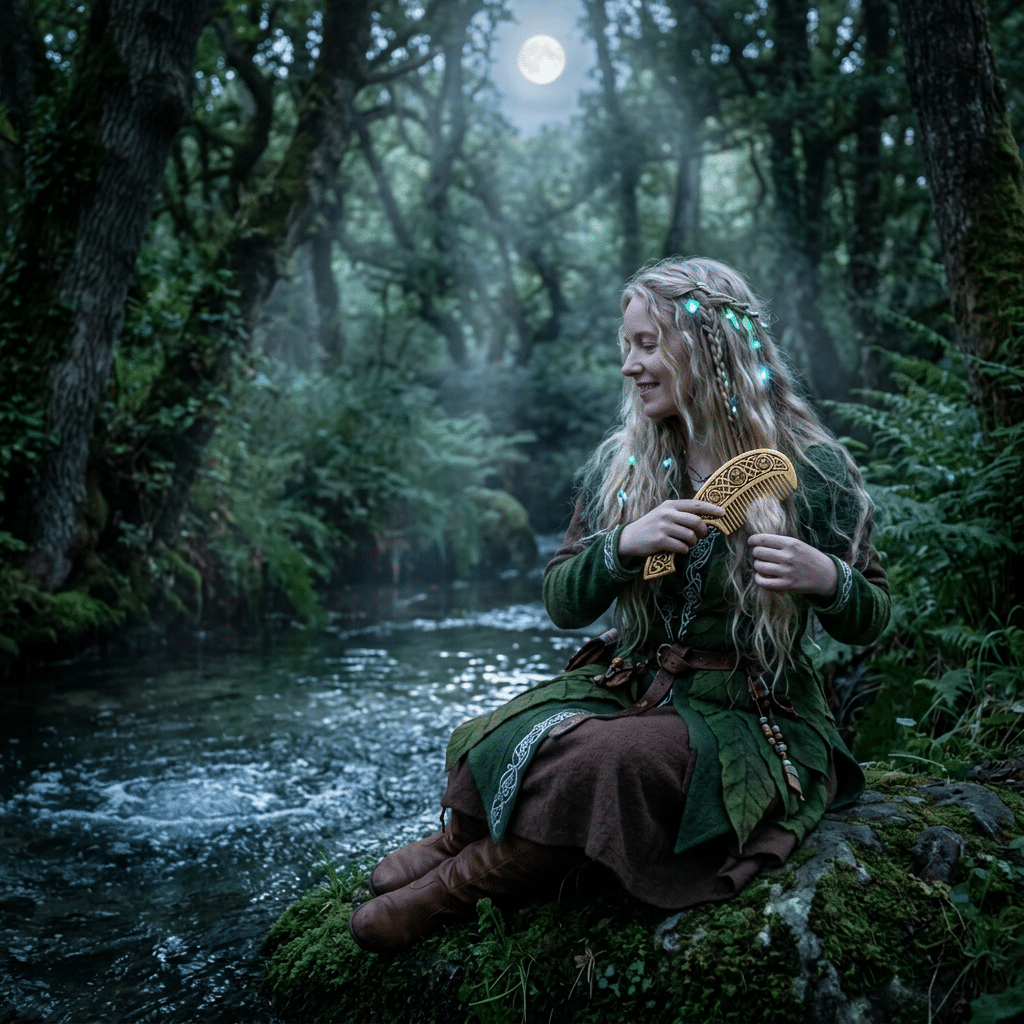
Nonetheless, these assumptions are frequently undermined in modern narratives. Contemporary portrayals take a more inclusive approach, showing witches in a range of styles that dispel preconceptions. The increasing awareness of the inherent duplicity in evil and the depth of character that can reside underneath any surface is reflected in this visual diversity.
Enhanced Capabilities and Strengths
Magic, a dual-purpose instrument for both good and evil, has long been associated with witches in children’s stories. In numerous stories, their potions, charms, and curses play a pivotal role. Being able to change their appearance to trick or gain someone’s trust adds another level of lying to their already dishonesty. Their mastery over animals, which are commonly considered familiars, allows them to reach further and affect more people, trapping the innocent in their web of control.
Modern stories have developed these skills further, showing magic as an essential component of a witch’s character and delving into its possibilities for individual development and social change. The strength of a modern witch typically stems from her bond with the natural world or her inherent femininity.
Positions and Types: A Range of Goals
The wicked witch has long been stereotyped as an enemy that heroes and heroines must overcome. From the enslavement of Rapunzel to the misleading solace of the gingerbread house in “Hansel and Gretel,” they loom large over stories. However, these characters’ responsibilities in the story reflect actual anxieties about strangers, the unknown, and the unpredictable.
The wise woman archetype, in contrast, offers a counter-narrative in which witches take on the role of teachers or healers. The witch’s dual role as a hag and a wise lady demonstrates the ambivalence that is present in fairy tales regarding female authority and intelligence.
A Changing Dialogue on Symbolism and Themes
In particular, when it comes to women, witches have come to represent the general public’s dread of the unconventional and the unorthodox. Many historic depictions of witches reflect a desire to restrict female agency and a mistrust of strong, independent women.
Nowadays, witches are multi-faceted characters in stories; they represent resistance, strength, and independence. They provide a story of self-identity that speaks to modern audiences by questioning repressive conventions. One character that exemplifies this change is Elphaba from “Wicked,” who goes from being a terrifying witch in fairy tales to a sympathetic, strong-willed character.
Symbolic Chameleon: The Witch in Conclusion
Changing views on the mysterious, powerful, and unconventional are mirrored in the witch’s development in fairy tales, which serves as a measure of society’s progress. From their simplistic origins to their complex contemporary selves, witches represent the struggles and possibilities of marginalized communities.
The story of the witch is changing along with society. It’s no longer black and white anymore; now, every witch has a unique story to tell, one that is multifaceted, human, and filled with magic.
Further Reading
For those interested in exploring the rich tapestry of witch representation in fairy tales and their cultural significance, the following books are recommended:
Purkiss, D. (2007). The Witch in History: Early Modern and Twentieth-Century Representations. New York: Routledge.
Purkiss analyzes the historical context of witches and their portrayals in order to shed light on how societal changes have shaped these perceptions.
Warner, M. (2014). Once Upon a Time: A Short History of Fairy Tale. Oxford: Oxford University Press.
Warner offers a concise history of the fairy tale genre, including the role of witches within it, examining how these stories have evolved over time.
Briggs, K. M. (1967). The Anatomy of Puck: An Examination of Fairy Beliefs among Shakespeare’s Contemporaries and Successors. London: Routledge & Kegan Paul.
Although focused on fairy beliefs, Briggs’ work touches upon witchcraft and its interrelation with fairy lore, providing a deeper understanding of supernatural representations in literature.
These works will provide readers with a multifaceted view of witches in literary and historical contexts, enhancing their comprehension of the subject’s complexity and its enduring influence on culture and storytelling.
Leave a Reply