Werewolf cults are fascinating and terrifying phenomena that fascinate many people. These cults, which are based on lycanthropy stories, show a lot about the human mind, what people are afraid of, and how appealing transformation myths can be. A creature known as a werewolf embodies both human and animal characteristics. It represents both the fear of losing humanity and the allure of animal traits.
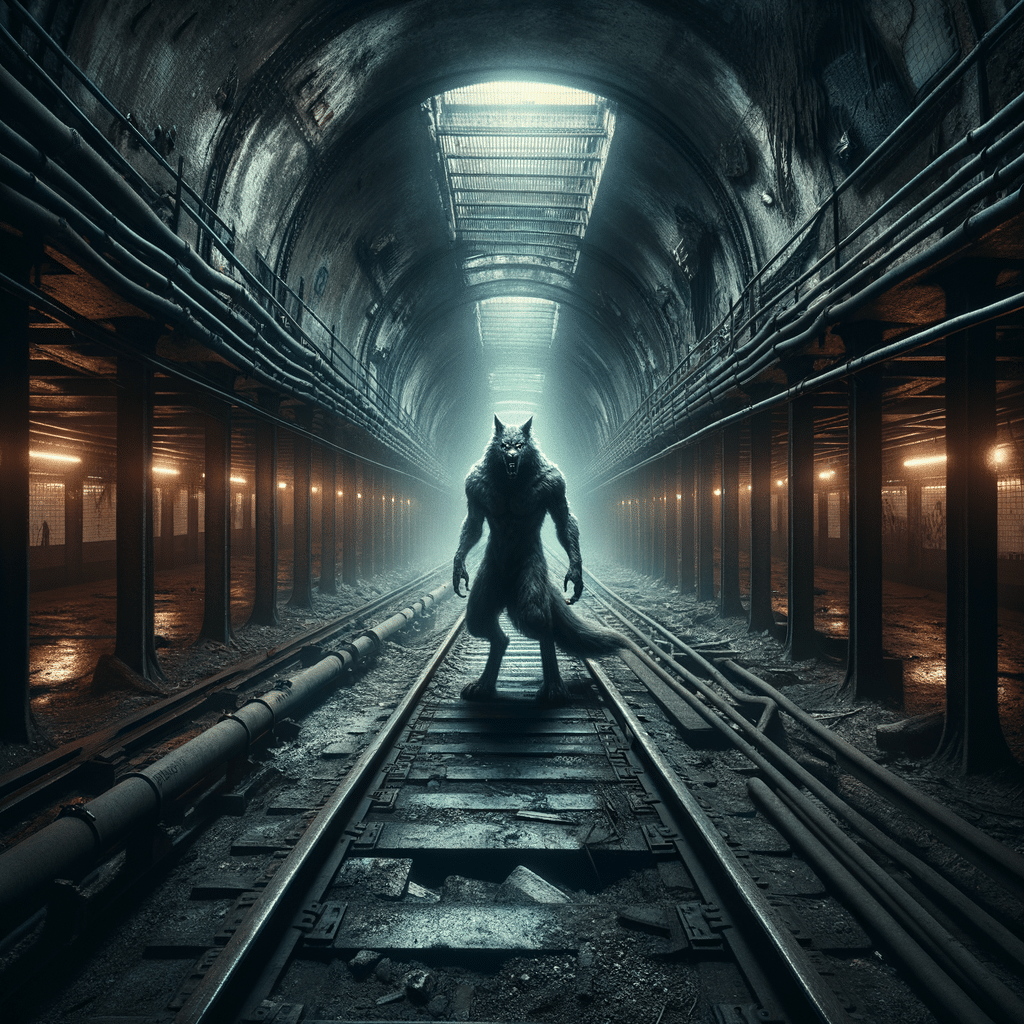
There are still tales of werewolf sightings in some of the world’s most mysterious places, like the New York subway and the Paris catacombs. People often write these stories off as myths or fake news, but they still catch people’s attention and show deeper fears and interests in society.

Modern Werewolf Cults
With its confusing tunnels and dark, hidden spots, the New York subway is a wonderful place for urban tales to grow. People have said they have seen werewolves, which has added to the already creepy mood of the underground system. Some rumors say that people who travel late at night have seen big, wolf-like creatures hiding in shadows with eyes that glow in the dark. People say that these werewolves walk the empty tunnels and maintenance shafts, but they only show up when the stations are almost empty.
These kinds of stories often focus on how wild and uncontrolled the urban werewolf is, which is very different from the controlled, busy city above. The idea of a werewolf in the subway stirs up fears of the unknown and the out of control that lie beneath the surface of daily life. Some people see these stories as a form of social commentary because they show the secret dangers pushed to the edges of urban society.
In Paris, the tunnels are also a scary setting for stories about werewolves. The catacombs are a huge network of underground tombs that hold the bodies of more than six million people. They are full of wonder and history. Catacombs have long been a draw for tourists and urban explorers due to their eerie beauty. In these dark places, werewolf sightings have become popular.
Some stories say that explorers have met strange creatures that looked like wolves deep in the catacombs. People often refer to these werewolves as guards of the underground world, keeping strangers out of their territory. While the New York subway often associates werewolves with the city’s past and mythology, the Paris catacombs do not. Some stories claim that these werewolves represent the souls of ancient warriors or cursed individuals, doomed to roam the catacombs forever.
The werewolf stories set in Paris have a lot of Gothic aspects. They mix the city’s historical intrigue with supernatural horror. They demonstrate the delicate boundary between the known and the unknown, the past and the present. Many people find these stories exciting because they take them to a world where myth and history mix, and the lines between humans and animals aren’t as clear.
There is no solid proof that werewolves live in either the New York subway or the Paris catacombs, but the fact that these stories keep going around shows how important they are to people’s minds and cultures. These tales serve as a form of contemporary mythology in an age of technology and rationalism by connecting people to enduring fears and archetypes.
The subway and catacombs, which are the locations of these stories, are also symbolic. Both are underground, secret places that make you feel scared and suspicious. They reveal the hidden depths of cities. These are the places where normal rules and safety don’t apply. The werewolf, as a creature of the night and the wild, fits right in with these dark worlds, representing the wildness and unpredictability that lie just beneath the surface of normal life.
History of Werewolf Cults
Werewolf stories have been around since the earliest societies. For instance, Greek mythology claimed that the gods punished people by turning them into dogs. There is a story in Roman folklore about Lycaon that stands out. As punishment for being lazy, Zeus turned him into a wolf. These early stories established the concept that werewolves bear curses and undergo divine punishment.
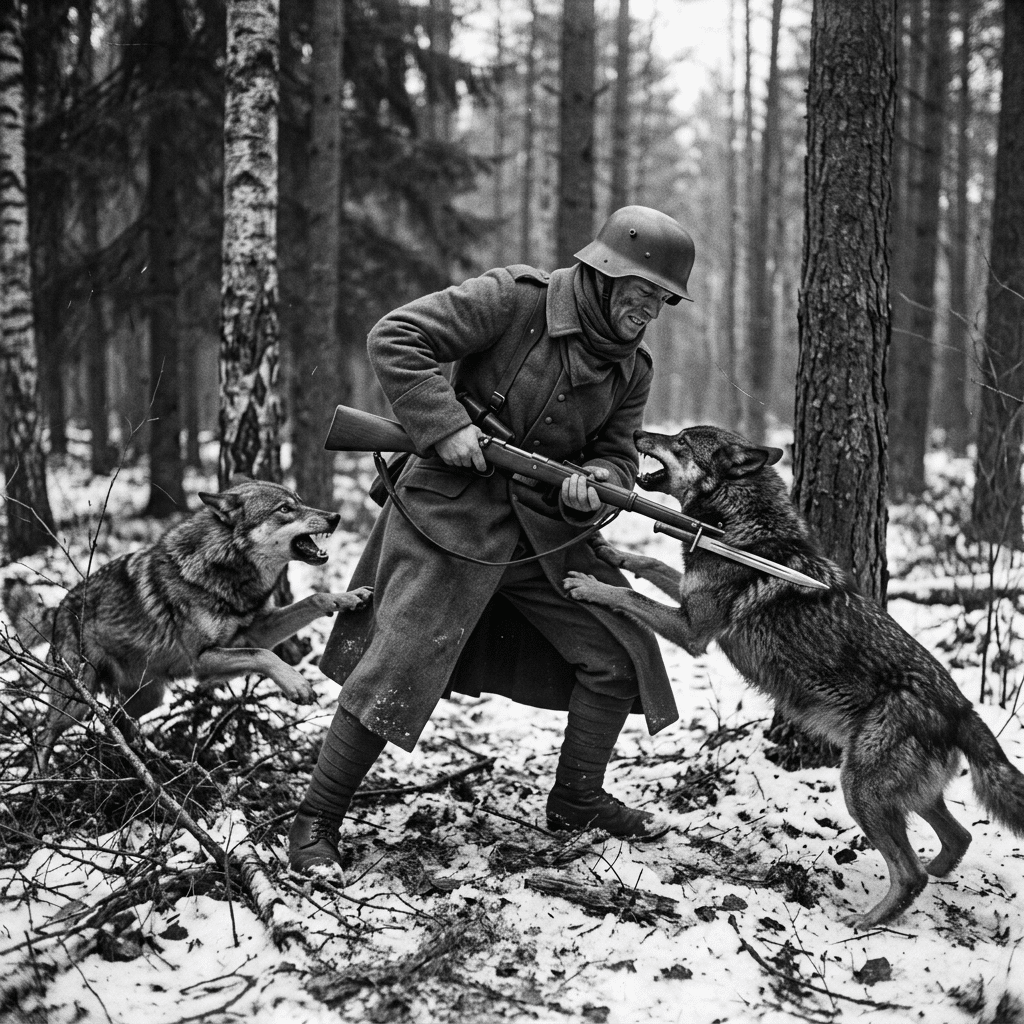
During the Middle Ages, there was a lot of fear in Europe about werewolves. Witch hunts and a general fear of the supernatural marked many werewolf cases during this time. People believed that werewolves had struck a deal with the devil to gain the ability to transform into wolves. Like the witch hunts, these cases were based on superstition, fear, and the need to find someone to blame who was different or not understood.
During this troubled time, werewolf cults started to form as separate groups or movements. Often operating in secrecy, these cults united their members through lycanthropic beliefs and practices. These groups were alluring because they promised power and change. Members believed that by performing certain rituals, they could control the wolf’s power and become stronger, faster, and more in tune with their primal instincts.
Werewolf cults had many different and often very violent practices. Hallucinogens, believed to induce a trance-like state that facilitated change, frequently played a role in their activities. Animal sacrifices, particularly those by wolves, were also popular. People performed these sacrifices to appease supernatural forces and demonstrate their own power. These practices strengthened the cult’s unity and faith in their power to change things.
The psychological pull of werewolf groups is irresistible. The idea of change was a way out of the strict social rules of medieval society. Being part of a werewolf cult gave people a sense of belonging and power, allowing them to act on their baser feelings and go against social norms. Even if it was just a metaphor, changing into a wolf meant letting go of the limits of being human and embracing raw, uncontrolled power.
At the start of the Enlightenment, when reason started to fight against superstition, werewolf groups and trials became less common. But people’s interest in lycanthropy lasted, and it became a common theme in writing and pop culture. Gothic books, such as those by Bram Stoker and Mary Shelley, frequently featured werewolves as symbols of the eerie and supernatural. Today, werewolves are still interesting. Movies, TV shows, and books often feature them as complex characters grappling with their dual natures.

Modern Werewolf Cults
These days, the idea of werewolf groups might seem impossible or like something out of fiction or folklore. However, interest in werewolves and the desire to change continue to show up in many current subcultures and spiritual practices. While traditional werewolf groups may no longer exist, the psychological and symbolic appeal of lycanthropy continues to draw many people.
Because of these constant depictions, the story lives on, providing modern audiences with new and creative ways to interact with the archetype of the werewolf. These new interpretations often focus on the conflict between the human and the beast, which reflects bigger issues in society like identity, power, and what it means to be human.
There are groups and subcultures that use werewolves as symbols in a more personal and spiritual way than in popular culture. For instance, individuals who identify as nonhuman, such as werewolves, form the Otherkin group. This type of person often believes they have a werewolf spirit or soul and acts accordingly. This feeling of belonging and power that comes from identifying with werewolves is similar to the psychological draw of historical werewolf cults.
Neo- and modern-pagan groups also use werewolves as symbols in their rituals and beliefs. Some modern witches and shamans use shapeshifting as a spiritual metaphor and connect with their animalistic feelings through rituals, meditation, and visualization. In these situations, the werewolf is a strong spirit guide or totem that stands for change, raw energy, and the balance between human and animal nature. Spiritual practices often use the werewolf story to explore deeper aspects of oneself, emphasizing personal growth and self-discovery.
The internet also lets werewolf fans meet and discuss their experiences. Fans can talk about werewolf mythology, share their own works, and even play werewolves in online boards, social media groups, and virtual communities. These digital spaces foster a feeling of community and shared identity, similar to how historical werewolf cults fostered community. A lot of people use these online exchanges as a way to escape the everyday and try on different identities in a safe and supportive space.
Researchers continue to study the psychological and symbolic aspects of lycanthropy in therapy and classroom settings. Some therapists and psychologists use the werewolf as a metaphor to help their clients work through issues of identity, change, and bringing together different parts of themselves. This way, the werewolf story gives us a lot of different ways to think about and understand difficult psychological issues.
No longer do traditional werewolf cults operate in the same way they did in the past, but people are still very interested in werewolves and the ideas of change and duality they represent. The werewolf myth lives on in popular culture, spiritual practices, online communities, and even therapy, where it serves as a strong metaphor for exploring what it means to be human. As a source of entertainment, personal identity, spiritual advice, or psychological insight, the werewolf is still a powerful and long-lasting part of modern life.
Psychology
Werewolf cults are appealing to people on a psychological level because they offer change and freedom from societal rules. These cults sprung up during times of major religious and social change. They provided their members with a unique way to escape and gain power. To understand what drew people to these cults, it’s important to look at the inner psychological reasons why people joined and how they offered a way to escape from the strict rules of society.
The idea that people can change into werewolves is at the heart of these groups’ psychological attraction. For many people, the idea of changing into a wolf, an animal that represents raw power and basic traits, speaks to a deep-seated desire to break free from the restrictions of human life. People who lived in societies that were very structured and often oppressive saw their dream of becoming a werewolf as a way to break free—a way to let their inner beast out and live life without having to follow social rules and expectations.
Members of werewolf groups felt like they belonged and had a purpose in life. Joining a werewolf cult was a way for people to form a rebellious group in Europe during the Middle Ages and Early Modern Period, when social roles were very clear and breaking the rules resulted in severe punishment. Traditions, beliefs, and the promise of change united members of these cults. Members of the group formed a strong psychological bond with each other because they understood and supported each other. This gave them a safe place to go when they felt alone and alienated in everyday life.
Werewolf cults used traditions and practices to make people feel like they belonged, which gave them power. In many of these rites, hallucinogens were used to change people’s minds in ways that made the experience of transformation feel real and happen right away. When people used these drugs and did symbolic things like sacrificing animals and dressing up in wolf fur, it helped them mentally become werewolves. The mental and physical intensity of these rituals gave people a way to let go and temporarily escape the limits of their human identity. They were able to accept their primal nature.
On top of that, the werewolf’s shape was very attractive. The werewolf, which is somewhere between a person and an animal, represents the conflict between society and the wild, between order and chaos. For people in werewolf groups, changing into a wolf meant reclaiming their power and independence. It gave them the freedom to reject the rules that society put in place and live in a way that was more in line with their instincts and less limited by human laws and morals.
Conclusion
The fact that people are still interested in werewolves today shows how timeless these psychological pleas are. Modern books, movies, and TV shows about werewolves often explore themes of duality, change, and the battle between society and primal instincts. People can relate to these stories because they play on the same fears and wants that led individuals to join werewolf groups in the past. They make us think about the part of us that wants to live a wilder, more natural life and be free from society’s rules.
Werewolf groups appeal to people on a psychological level because they offer change and freedom from society’s rules. These cults gave their members a sense of belonging, power, and rebellion, letting them briefly go beyond the limits of their human nature and embrace their primal selves. Werewolves have always been interesting, both in historical groups and in modern culture. This is because they represent basic human emotions such as the desire for freedom, the conflict between city life and the wild, and the search for a more natural way of living.
Leave a Reply