
The druids were a highly esteemed group of priests, philosophers, and instructors who had a significant deal of influence on the intellectual and spiritual spheres of their societies in the prehistoric Celtic world as evidenced by their druidic rituals. People revered these mysterious individuals as guardians of wisdom, serving as counselors to monarchs, instructors to the nobility, and intermediaries between the living and the dead.

Druids and Sacrifice
The druids’ beliefs and druidic rituals were fundamental to their understanding of sacrifice. They held that in order to please the gods, assure prosperity, and preserve the harmony of the natural world, sacrifices—both human and animal—were required. The druids’ appreciation for nature and knowledge of the cyclical nature of life and death led them to hold this concept.
The Wicker Man ritual was among the most notorious of the druid rituals. They used this enormous figure as a vessel for human sacrifice. It was crafted from willow branches. According to historical accounts, the druids would burn the wooden building after trapping criminals, POWs, or even consenting volunteers inside and sacrificing them to their gods.
There were other instances of human sacrifice besides the Wicker Man ritual (Vickers, 2012). The Druids felt that human blood had immense power and was required for specific ceremonies and rituals. Ancient records, such as Julius Caesar’s Gallic Wars, include stories of the druids’ willing to sacrifice prisoners and hostages using a variety of methods, such as hanging, burning, and implementing them.
It’s crucial to remember that not all sacrifices required the loss of human life. For a variety of reasons, it was also customary to give different animals as sacrifices to the gods. Horses, birds, and cattle were among the animals offered for sacrifice, and ceremonies frequently used these animals’ bones for divination. Lincoln (1988) noted a range of sacrifice traditions in druidic society.
In the ancient druidic rituals and sacrifices, the natural world was fundamental and played a significant part. The druids’ belief system was based on a strong reverence for nature. The druids viewed nature as a sacred, interconnected domain, inexorably linked to the divine forces that governed the universe. The natural world had immense spiritual significance for the druids, who saw it as a living, breathing being rather than just a background or a resource. They believed that different deities and spirits ruled over the sun, moon, rivers, forests, and the change of seasons. They intended their ceremonies and sacrifices to honor and placate these spirits.

Druidic Sacrifice in England
In ancient England, where the druids had a great influence over the Celtic tribes living there, the practice of druidic sacrifice was very common. Written records from Roman sources and archeological data provide insight into the ceremonies and rituals practiced on English soil. Human sacrifice was one of many druidic rituals.
Wright (1918) wrote, “Another debatable topic has been the question as to whether human sacrifices were practised by the Druids, though it seems hardly open to question in view of the categorical statement of Caesar. Divitiacus is scarcely likely to have inspired or consented to the publication of the statement if it had not been true. Possibly, however, the explanation may be found in the assertion of some writers that the practice of human sacrifices was the survival of a pre-Druidic custom, particularly as human sacrifices do not appear to have formed part of the Irish Druidical practices, though in Britain, members of the Druidic community not only took part in, but presided at, these ceremonies.” (p. 683.)
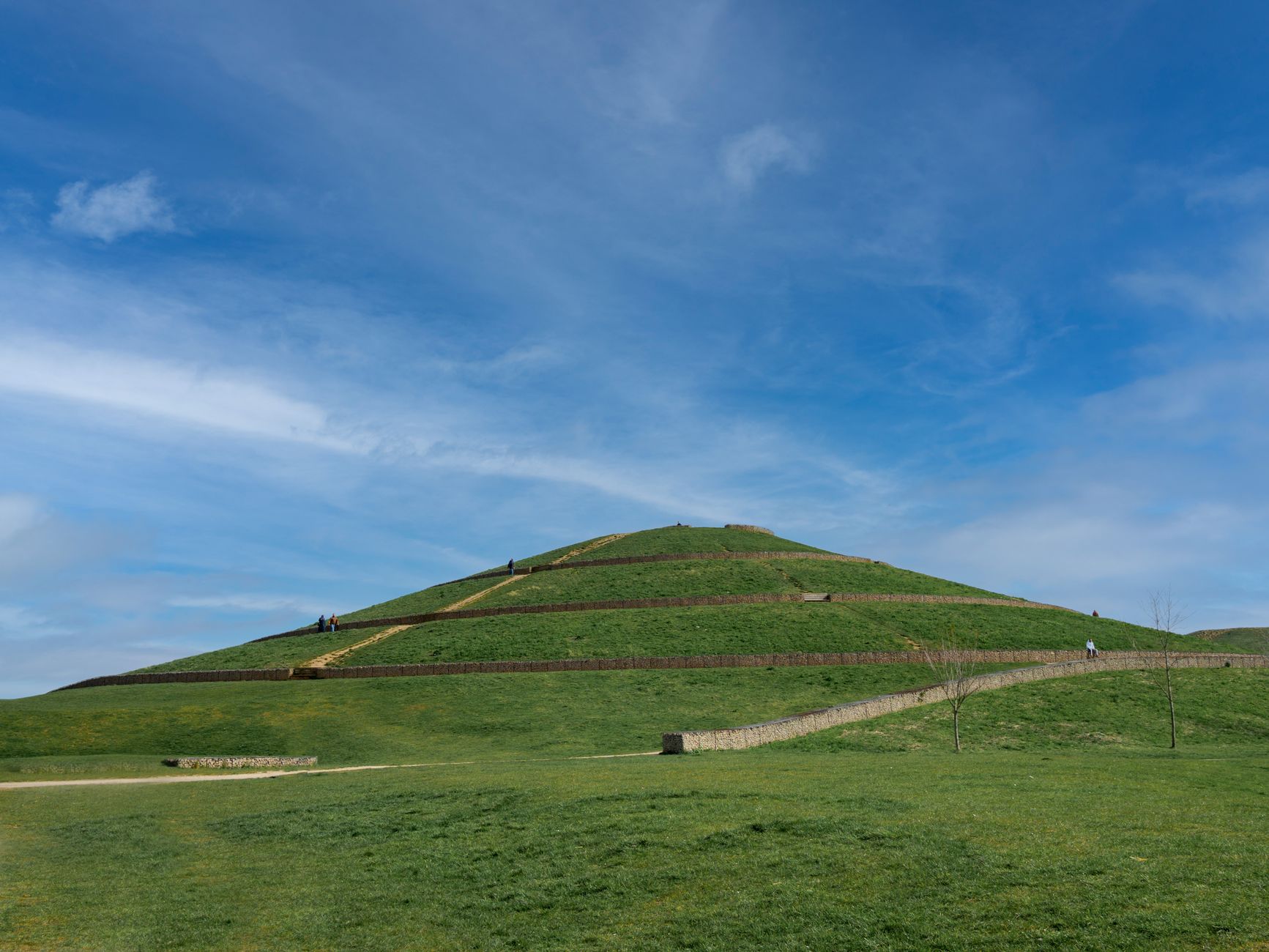
The Navan Fort, located in County Armagh, Northern Ireland, is one of England’s most prominent locations associated with druidic sacrifice. It is thought that the druids revered this old ceremonial enclosure, which dates to the first century BCE. Excavations have uncovered the remains of animal sacrifices and evidence of human sacrifice, including charred human bones and severed heads. These somber findings imply that the druids conducted complex ceremonies at this hallowed site, possibly including sacrifices of both animals and humans.
Thanet, a Kentish island, was also a major hub of Druidic activity in the south of England. Roman records state that the druids regarded this island as a hallowed place, and that’s where they convened for their most significant rituals and sacrifices. The Romans reported seeing the druids make human sacrifices to their gods, frequently consisting of captives of war or criminals.
The impact of Druidic sacrifice on England went beyond specific locations and rituals. The idea of sacrifice in both agriculture and battle heavily influenced Celtic culture. Prior to combat, soldiers would frequently present weapons, animals, or even captives as a means of securing victory. To guarantee abundant harvests and the fertility of the land, druids would perform sacrificial rites, highlighting the close relationship between sacrifice and the cycles of life and death.
As Christianity progressively gained traction in England, it prohibited the druid traditions, especially their sacrificial rites, and eventually drove them underground or modified them to fit within the new religious framework. Still, the legacy of druidic sacrifice is an essential aspect of the area’s prehistoric past, providing insight into the spiritual practices and belief systems of the Celtic peoples that previously occupied the area.
The Role of Nature
Numerous druidic rituals were scheduled to fall in line with seasonal changes in the vegetation and fauna or with astronomical phenomena like solstices and equinoxes. People viewed these occasions as ideal times to perform rituals and offer sacrifices, ensuring the preservation of the natural order and winning the gods’ favor (Almond, 2000).
In druidic beliefs, the oak tree in particular was sacrosanct, representing fortitude, tenacity, and the interdependence of all life. Druids frequently selected oak groves as locations for ceremonies and sacrifices, using them as natural temples where they could communicate with the divine powers of nature.
A close relationship existed between the druids’ veneration of nature and animal sacrifices. Animal sacrifice was considered a way to honor and placate the spirits of particular deities or natural forces, who were thought to be represented by particular animals (Ross, 2012). The druids would closely study animal patterns and actions, using them as omens and oracles to direct their rituals and choices.
The belief in the cyclical nature of life and death was a fundamental aspect of the druids’ practice, even if it may seem distressing to modern eyes. They saw sacrifice as a way to bring the individual back into balance with the natural cycle, therefore guaranteeing the continuation of life and the renewal of the world.
Essentially, the druids viewed the natural world as a sacred tapestry of interwoven forces and deities, and their rituals and sacrifices were not only acts of propitiation but a manner of actively engaging with and respecting this sacred realm. Their respect for nature shaped every facet of their spiritual system, serving as a continual reminder of their place in the larger cosmic order through their rituals.
Conclusion
Even in current times, druidic sacrifice continues to have an impact, albeit in more symbolic and figurative ways (Anczyk, 2012). The concept of sacrifice has permeated literature, art, and cultural narratives. It typically connotes the idea of giving up something important in order to advance a cause or achieve spiritual enlightenment.
Though without the actual sacrifice of human life, modern reconstructionist and neo-pagan movements have also found inspiration in the druidic traditions of their predecessors. These communities may perform symbolic sacrifices, such as pouring libations or burning offerings, in honor of longstanding customs and to establish a spiritual connection.
Contemporary society has largely rejected and repudiated the druids’ practices of human sacrifice, but their influence as a powerful religious and intellectual class remains an intriguing part of Celtic history, offering insight into the customs, beliefs, and worldviews of a society that had a profound impact on the world.
References
Almond, P. C. (2000). Druids, patriarchs, and the primordial religion. Journal of Contemporary Religion, 15(3), 379-394.
Anczyk, A. (2012). The image of druids in contemporary paganism: constructing the myth. Walking the Old Ways. Studies in Contemporary European Paganism, 99-118.
Lincoln, B. (1988). The Druids and human sacrifice. Jazayery, Mohammad Ali–Winter, Werner (szerk.): Languages and Cultures. Studies in Honor of Edgar C. Polomé. Berlin, 381-395.
Ross, A. (2012). Ritual and the Druids. In The Celtic World (pp. 423-444). Routledge.
Vickers, A. M. (2012). Druids and Brehons: Fidelma and the Druidic Tradition. The Sister Fidelma Mysteries: Essays on the Historical Novels of Peter Tremayne, 88.
Wright, D. (1918). Druidism. The Open Court, 1918(11), 4.

Leave a Reply