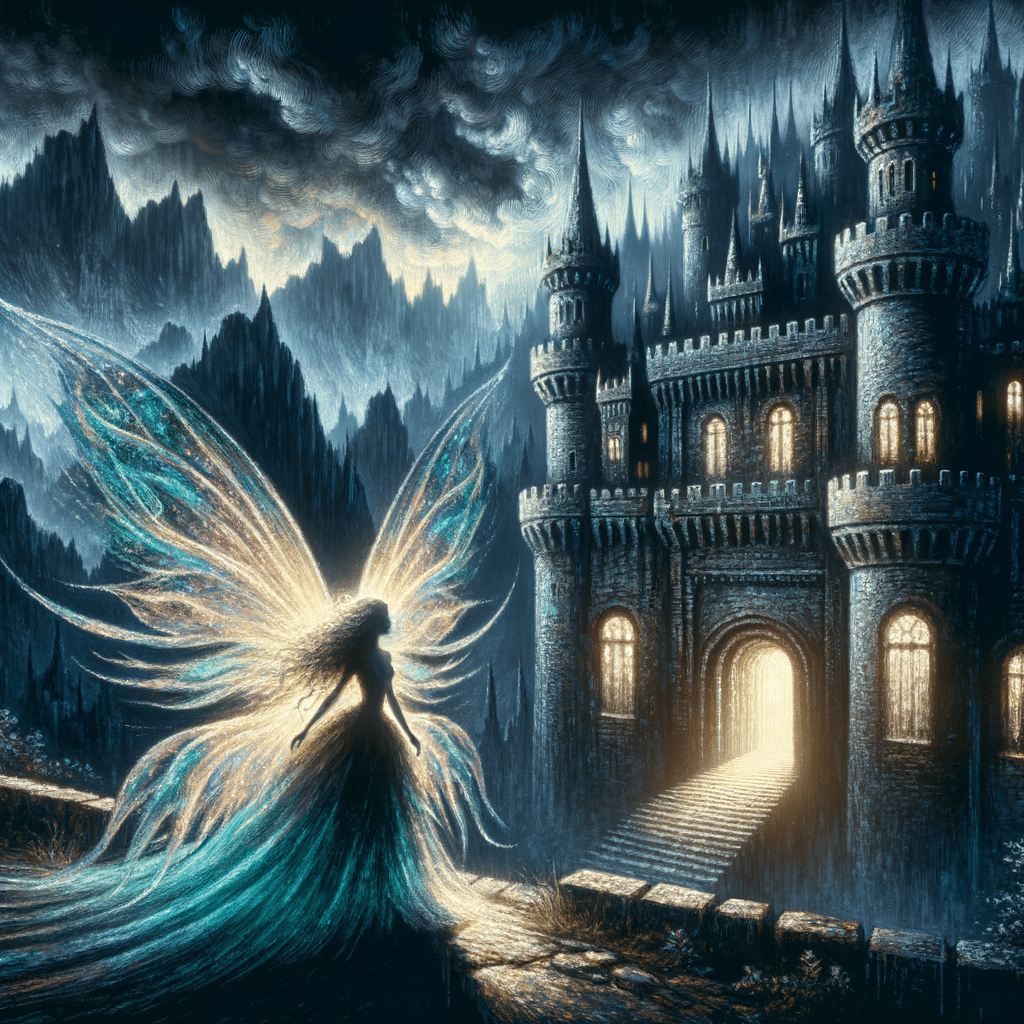
The realm of faeries and shadow magic has long enthralled people, permeating mythology, fantasy literature, and folklore. Faeries, sometimes depicted as ethereal creatures of nature, and shadow magic, a magical energy associated with darkness and the invisible, seem to stand at opposite ends of the spectrum. However, many traditions closely link them, symbolizing a harmony between the known and the unknown, light and dark. These ideas are metaphors for the intricacies of life and the interaction of both visible and invisible forces in the world, and they go beyond simple fiction. Their appeal is not without moral ramifications, though, as shadow magic in particular poses difficult issues with accountability, authority, and morality. Faeries and shadow magic work together to allow us to examine the contradictions of human nature, the harmony of light and dark, and the fallout from power abuse.

Faeries and Shadow Magic
Folklore from many different countries features faeries, one of the most persistent characters in mythology. Celtic mythology frequently connects them to the Otherworld, a parallel reality. Contemporary art commonly portrays faeries as small, avian beings, but this is not the only representation of them. Instead, they come in a variety of shapes and personalities, from helpful protectors of the natural world to cunning pranksters or even evil creatures who tempt people into danger. As guardians of the earth, they maintain a close relationship with the natural world, often inhabiting forests, streams, and meadows. Their magic usually connects to the elements, metamorphosis, and illusion, serving as a bridge between the wild powers of nature and humans. However, shadow magic’s capacity to vanish, produce illusions, and change across realms sometimes blurs the distinction between light and dark (Von Franz, 2017).
In contrast, shadow magic is a mysterious and frequently misinterpreted kind of mystical ability. Unlike the overt elemental magic associated with faeries, shadow magic employs darkness, secrecy, and the subconscious to operate in the realm of the unseen. Despite its association with the unknown, many traditions do not view shadow magic as inherently bad. Shadow magic symbolizes the hidden aspects of life, including hidden desires, anxieties, and realities. Shadow magicians are believed to be able to control illusions, work with light and dark, and cross world boundaries. Since this power can quickly degenerate into chaos if employed improperly, it frequently necessitates a profound understanding of balance. These characteristics make shadow magic a logical analogy for faeries, who are also liminal beings existing on the boundaries of human vision and comprehension.
Faeries and shadow magic have a thematic and symbolic relationship. Faeries frequently employ shadow magic to defend their realms or assess the deservingness of visitors to their world because of their capacity to warp reality and confuse humans. This dualism challenges our views on morality and the nature of power. As creatures of nature, faeries frequently reflect the dichotomy of the natural world: it is both wild and unpredictable and lovely and nurturing. Shadow magic emphasizes the hidden and dark, representing each person’s light and dark sides. Collectively, they serve as a reminder of the value of maintaining equilibrium and accepting both the known and the unknown, the visible and the invisible. They show the constant conflict between the temptation of power and the moral difficulties of using it sensibly (Vaz da Silva, 2017).

Shadow Magic and Ethics
Shadow magic, intrinsically associated with secrecy and dishonesty, ranks among the most pressing ethical concerns for faeries. Shadow magic, which depends on deception, manipulation, and secret information, flourishes in obscurity in contrast to elemental magic, which frequently functions in a visible and tangible manner. This raises questions about the moral boundaries of wielding such power. Shadow magic can both constructively and destructively warp reality and affect perception. For example, an individual may employ shadow magic to conceal an ally or divert an adversary in order to save a life. However, the same skills could equally easily undermine justice and trust by deceiving, manipulating, or causing harm to others. This duality forces people to grapple with the morally complex questions of means vs. goals: do the tools themselves corrupt the user, or does the goal justify the means (Kelsey, 2022)?
Shadow magic’s alluring qualities also call into question one’s moral character and the distorting effects of authority. Many depictions of shadow magic depict it as a force that demands payment, be it through physical harm, emotional sacrifices, or the gradual erosion of the user’s humanity. This cliché highlights the ethical conundrum of whether one can ever use such power responsibly. A person who uses shadow magic to protect their loved ones, for instance, may have noble intentions at first, but as they become more reliant on its strength, they run the risk of losing sight of their original goal. This descent into moral ambiguity mirrors a broader concern about the allure of power: can it endure, even when applied for good, without causing personal corruption? Faeries, who frequently possess shadow magic as part of their inherent talents, also embody this conflict. Their deeds, whether good or evil, force mortals to consider the effects of their decisions (Magliocco, 2018).
Beyond individual consequences, another ethical issue with shadow magic is its effect on society. Fantasy settings frequently portray shadow magic as a distrusted and feared discipline, occasionally prohibited or marginalized. This marginalization raises questions of bias, hierarchies of power, and the morality of control. Is it justifiable to stigmatize all shadow magic practitioners because of the possibility of harm? Or does this type of fear perpetuate an unjust cycle of oppression, forcing shadow mages into hiding and increasing the risk of their power misuse? Shadow magic serves as a potent metaphor for societal prejudices and anxieties because these dynamics reflect actual problems involving misunderstood or excluded groups. The liminal existence of faeries often places them outside of mortal society, causing misinterpretation and fear, highlighting the need to balance fear and understanding with the dangers of prejudice.
The moral ramifications of faeries and shadow magic are fundamentally about accountability and free will. Like all powers, shadow magic is neither intrinsically good nor bad; rather, the intentions and deeds of its practitioner determine its moral worth. Faeries, with their dual nature, and shadow magic, with its associations with darkness and the invisible, serve as a reminder of the complexity of morality. Both expose the complex interactions between these forces by challenging the strict dichotomies of virtue and evil, light and dark. They urge us to find balance and welcome the unfamiliar by challenging us to face the hidden sides of the world and ourselves (Daimler, 2017).
Conclusion
Faeries and shadow magic are captivating because of their mythical nature and ability to convey pressing human realities. They serve as a reminder that there is a lot of wonder and mystery in the world and that light and dark are complementary elements of a larger whole rather than antagonistic forces. Faeries and shadow magic, whether perceived as frightening forces or misinterpreted instruments with unrealized potential, represent the contradictions of human nature and the constant battle to maintain equilibrium between our inner light and dark. Their tales prompt us to scrutinize our own moral boundaries, question our assumptions about morality and authority, and marvel at the intricacy and beauty of our world.
References
Daimler, M. (2017). Fairies: A Guide to the Celtic Fair Folk. John Hunt Publishing.
Kelsey, D. (2022). The Archetypal Magician. In Storytelling and Collective Psychology: Ancient Wisdom, Modern Life and the Work of Derren Brown (pp. 21-40). Cham: Springer International Publishing.
Magliocco, S. (2018). “Reconnecting to Everything”: Fairies in Contemporary Paganism. Fairies, Demons, and Nature Spirits: ‘Small Gods’ at the Margins of Christendom, 325-347.
Vaz da Silva, F. (2017). Fairy-tale symbolism: an overview. Fairy-tale symbolism: an overview.
Von Franz, M. L. (2017). Shadow and evil in fairy tales: Revised edition. Shambhala Publications.


Leave a Reply