Cochem Castle: Key Points
-
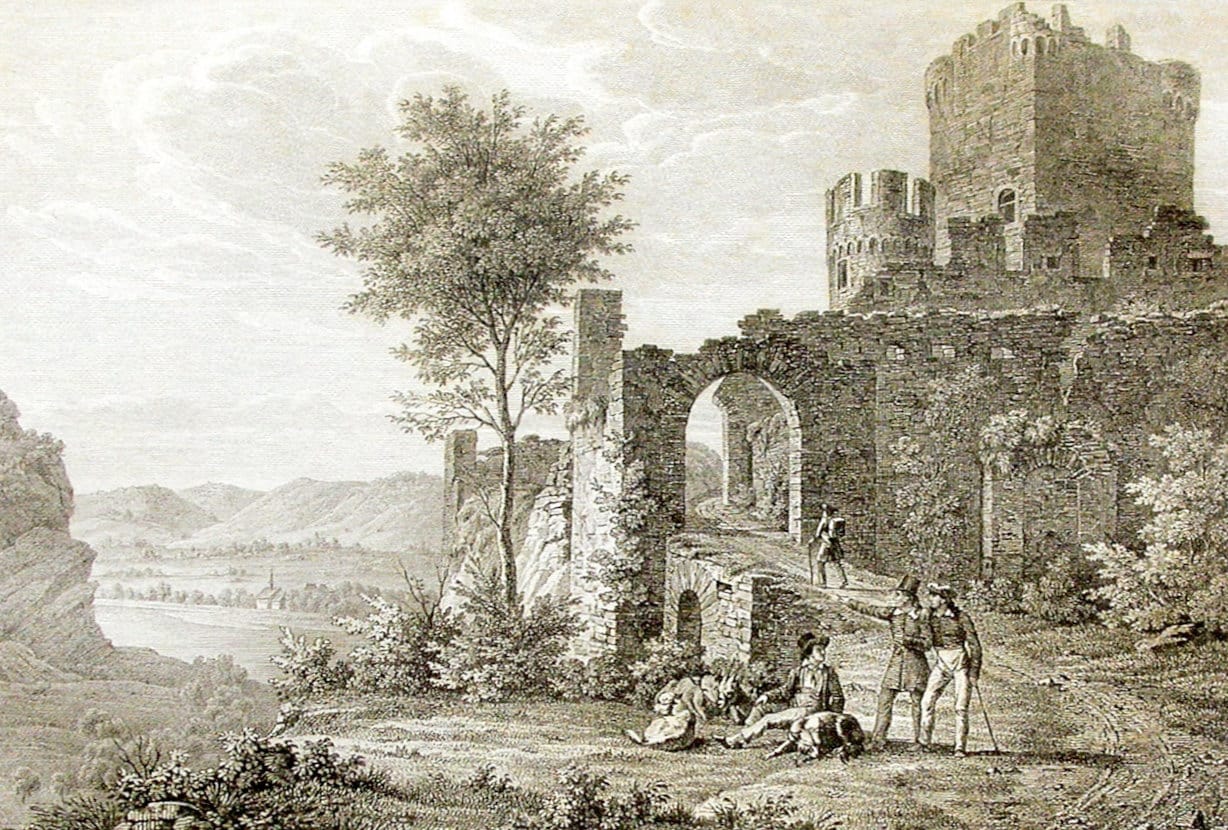
Cochem Castle overlooks the Moselle River in Germany, originally built around 1000 AD but destroyed in 1689 and reconstructed as a neo-Gothic showpiece in the late nineteenth century.
-
The primary legend involves a countess in white who wanders the halls, with witnesses reporting seeing her figure, hearing rustling gowns, and smelling old perfume.
-
Other reports include phantom battle sounds, cold spots, photographic anomalies, and sensations of unseen presences, with investigators claiming electronic voice phenomena recordings.
-
Skeptics attribute phenomena to the castle’s theatrical nineteenth-century reconstruction, stone acoustics, temperature variations, and the commercial benefits of maintaining a haunted reputation.
-
No ghost stories are documented before the reconstruction, with most emerging during twentieth-century tourism development, raising questions about their authenticity.
-
While experiences may have natural explanations, the castle’s atmosphere creates powerful emotional connections and raises broader questions about whether places retain impressions of past events.

Introduction
The fairy-tale turrets and towers of Cochem Castle rise dramatically above the Moselle River in western Germany. From every vantage point in the valley below, they command attention. This thousand-year-old fortress sits on a steep hill above the beautiful town of Cochem. It has seen centuries of war, destruction, and rebirth, and along the way it has gathered many ghost stories and paranormal legends. The castle’s romantic neo-Gothic style, troubled past, and ongoing stories of ghostly encounters have made it one of the most captivating places in the Rhineland for people who are interested in both medieval history and the idea that spirits may still be around after death.
Overview
The castle’s octagonal tower, crenellated walls, and steep slate roofs make it look like a German castle straight out of a Brothers Grimm story. It stands out against the sky. The building is on top of a conical hill that rises about 300 feet above the Moselle River. You can arrive to it by following a winding path that goes through terraced vineyards and wooded slopes. The rooms inside are beautifully decorated with carved wooden ceilings, suits of armor, period furniture, and weapons collections that make visitors feel like they are in medieval times. During its reconstruction in the 1800s, neo-Gothic decorations were added to the castle’s knights’ hall, dining room, and many other rooms. This gave the castle an atmosphere that mixes real medieval elements with romanticized Victorian interpretations. The thick stone walls, narrow staircases, and dimly lit hallways create an atmosphere that feels like it’s stuck between the past and the present. The shadows appear more profound, and the sounds carry an inexplicable weight (Porter, 2021).
Cochem Castle was built around the year 1000 AD as a strategic fortification to control this important part of the Moselle River valley. During the Middle Ages, many noble families owned the castle, and it was a key player in power struggles in the area. During the War of the Palatinate Succession in 1689, King Louis XIV’s French troops destroyed the castle and many other fortifications in the Rhineland. For more than 150 years, it was a burned-out ruin. Berlin businessman Louis Ravené bought the ruins in 1868 and began a massive reconstruction project that turned the medieval fortress into a neo-Gothic showpiece. This transformation is the reason the modern castle resembles a scene from a fairy tale. His nephew finished the rebuilding in the early 1900s, making the romantic structure that visitors see today. Some people, however, say that the spirits disturbed by centuries of violence and the castle’s dramatic destruction were never really laid to rest by just rebuilding it (Swayne, 2021).
The main ghost story about Cochem Castle is about the Countess of Cochem, a medieval countess who is said to walk the halls of the castle in a flowing white gown. There are different versions of the story, but they all agree that she was either killed by a jealous rival, died of a broken heart after her lover was killed in battle, or was put to death for crimes against her lord. The fact that these stories don’t all agree shows how legends change and grow over time. People who have seen it say that a pale woman has been seen moving through the hallways and appearing in the windows of the octagonal tower, especially around midnight. Some who have been there say they heard silk gowns moving on stone stairs when no one else was around, and they smelled old perfume or roses in places with no flowers. People usually say that the countess is sad rather than evil. She seems to be looking for something or someone she lost a long time ago, and when she shows up, she makes everyone around her feel awful.
Stories about werewolf ghosts also abound. A witchhunt happened in Cochem in the late 1590s and many people were convicted of witchcraft or lycanthropy. Many of these unfortunates were executed (Already, 2009). This episode adds to the ghost storytelling for the castle.
People have reported hearing ghostly battles echoing through the ruins and rebuilt parts of Cochem Castle, in addition to the apparition of the white lady. It’s as if the destruction of the castle in 1689 is still happening in some otherworldly dimension. People who have been to the castle and staff have said they have heard swords clashing, commands being shouted in old-fashioned German, and cannon fire echoing through empty rooms, especially in the older parts of the castle that survived the French bombardment. Some stories describe unexpected cold spots appearing in certain areas, such as the knights’ hall and certain parts of the ramparts, where the temperature noticeably drops for no apparent reason. Photographers have occasionally captured strange orbs, light anomalies, and shadowy figures in their pictures, despite their absence at the time. However, camera artifacts or lighting conditions explain this kind of evidence, which is highly controversial. Those who attended evening tours and special events said they felt like they were being touched or that doors opened or closed without anyone being there (Fisk, 2003).
Because the castle is a popular tourist spot, there are organized ghost tours and paranormal investigation events there, especially around Halloween when the castle embraces its spooky reputation. These events draw both serious paranormal researchers and people who just want to have a good time and see something strange in a spooky setting. Some investigation groups say they have recorded electronic voice phenomena in different rooms. They say that analysis shows that whispered voices answer questions asked by investigators in both modern German and medieval German. People say that electromagnetic field detectors have picked up strange readings in places where hauntings have been reported, but skeptics point out that old buildings with modern electrical systems can also make these readings happen for completely normal reasons. Video surveillance cameras that are put up for security reasons have sometimes caught strange movements and shadows, but this footage is rarely made public and its meaning is still up for debate. The people in charge of the castle have to be careful not to let the ghost stories that bring people in hurt the fortress’s reputation as a serious historical site that deserves scholarly attention.

Analysis
Skeptics of the paranormal at Cochem Castle have many doubts. They point out that the current structure is mostly a reconstruction from the 1800s, not a real medieval building that has been lived in for a thousand years. The romantic neo-Gothic renovation was meant to create an atmospheric, somewhat theatrical setting that would bring back the mystery of the Middle Ages. Critics say that this fake atmosphere naturally makes people see ordinary events in a supernatural way. Stone buildings, especially those with vaulted ceilings and many echoing chambers, can change and amplify sounds from far away, making it sound like there are ghostly footsteps or voices when the real sources are completely normal. The temperature changes in a castle on a hill can be easily explained by how much sun and wind it receives, how thick the stone is, and how air moves through the many openings and passages in the building. The power of suggestion is crucial, especially on ghost tours where guides deliberately build suspense and expectation, getting people ready to see strange things as paranormal instead of natural.
From a historical and psychological standpoint, the ghost stories at Cochem Castle may elucidate more about human necessities and cultural values than about genuine supernatural occurrences. The story of the tragic countess is a reflection of the romantic ideas of the nineteenth century about doomed love, feminine virtue, and gothic melodrama. Particularly during the castle’s reconstruction, these ideas gained popularity. Ghost stories play an important role in culture by linking modern visitors to historical events and people through emotionally powerful stories that make the past feel more real and immediate than dry historical facts. The human brain is very adept at recognizing patterns, and it tends to make sense of unclear sensory input based on what it expects and what it knows about culture. This means that people who expect to see ghosts in a castle setting are more likely to do so. The castle’s business interests in keeping its haunted reputation can’t be ignored because supernatural connections bring in many visitors and make it possible to charge a lot for special events and tours. Furthermore, the castle’s dramatic destruction in 1689 and the fact that it was left empty for 150 years mean that there were no witnesses to any real paranormal activity for over a century. Such an absence makes people wonder when and why ghost stories started to be linked to the place.
The fact that there isn’t a lot of historical evidence for the countess’s ghost story is very telling. Serious historians have found no records of hauntings at Cochem Castle from the Middle Ages or early modern times that happened before the castle was rebuilt in the 1800s. Many of the specific ghost stories seem to have come about in the 20th century, around the same time that tourism and the commercialization of castle attractions grew in Germany. This pattern suggests that the hauntings may be modern inventions or adaptations of generic ghost legends applied to Cochem specifically to enhance its appeal to visitors. The castle was essentially rebuilt from ruins, which means that any spirits that were attached to the original medieval structure would have had their physical anchor destroyed and replaced with new materials. This phenomenon even raises logical questions within paranormal theory about how hauntings could persist through such a complete transformation. When you look at other castles in the Moselle Valley, you see that they have similar ghost stories about white ladies and ghost battles. This suggests that there is a regional tradition of castle legends rather than just things that happen at Cochem (Hanks, 2016).
Even so, the subjective experiences of visitors who report strange feelings or sights at Cochem Castle can’t be entirely ignored, because these people really feel something that affects them emotionally and mentally. It is still not clear whether these experiences are caused by real paranormal events, the castle’s unique location and construction, or just the mind’s own processes. Science has not yet found a clear answer. The castle’s dramatic setting, rich history, and carefully cultivated atmosphere make for a powerful experience that goes beyond just looking at the sights. For many people, the chance of seeing something beyond normal reality makes their visit more meaningful and exciting, even if those encounters don’t have an objective supernatural basis. The ghost stories, regardless of where they came from, help visitors feel more connected to the castle and its history. They turn an architectural monument into a living collection of human stories, hopes, fears, and mysteries (Ehm, 2019).
Conclusion
Cochem Castle is a testament to human strength and romantic imagination. It was completely destroyed, but it has since become one of Germany’s most popular and photographed castles. Its towers now dominate the Moselle Valley, just like they did a thousand years ago. It may not matter whether the restless spirit of a medieval countess really walks the halls of the castle or if its ghost stories are just beautiful fictions that make the visit more enjoyable. What matters is that the castle can inspire wonder and connect us to the past. The discussion about paranormal events at places like Cochem raises bigger questions about what consciousness and memory are and whether places can hold memories of the strong human experiences that happened there. What is still true is that this rebuilt fortress, with its fairy-tale architecture and dark legends, still captures people’s imaginations and gives them experiences that they say are otherworldly, no matter how they explain them. In a time when science is the only way to explain things, places like Cochem Castle remind us that mystery and wonder still have a place in our lives. They also show us that the line between history and legend, and between the physical and the spiritual, may not be as clear-cut as we think it is.
References
Already, H. H. B. C. (2009). “There Goes the Werewolf. We Thought. ” Evil People”: A Comparative Study of Witch Hunts in Swabian Austria and the Electorate of Trier, 98.
Ehm, E. (2019, January 17). Cochem Castle. Erin at Large. https://erinatlarge.com/cochem-castle/
Fisk, D. (2003, October 14). Cochem Castle ghost. Ghostvillage.com. https://ghostvillage.com/cochem-castle-ghost/
Hanks, M. (2016). Haunted heritage: The cultural politics of ghost tourism, populism, and the past. Routledge.
Porter, E. (2021, February 4). Cochem Castle: The complete guide. TripSavvy. https://www.tripsavvy.com/cochem-castle-1519739
Swayne, G. C. (2021). Up the Moselle: Journey through Europe’s Cultural Riches along the Moselle. Good Press.

Leave a Reply