
Frost Giants: Key Points
-
Frost giants are towering humanoid creatures fifteen to twenty-five feet tall with blue or white skin, frost-covered hair, and glowing eyes that reflect their connection to winter and ice.
-
In Norse mythology, frost giants, or jötnar, are primordial beings who dwell in Jotunheim and serve as eternal enemies of the gods, destined to fight in the apocalyptic battle of Ragnarok.
-
Similar ice and winter beings appear across many cultures, including the Mahaha in Inuit mythology, Yuki-onna in Japanese folklore, and Morozko in Slavic traditions.
-
In Dungeons & Dragons, frost giants are lawful evil creatures organized into military clans, immune to cold damage, and maintaining sophisticated cultures with runic writing and ice fortresses.
-
Modern gaming has adapted frost giants with more nuanced motivations and spectacular visual effects, showcasing their icy nature through frost auras and blizzard summoning abilities.
-
Scholars interpret frost giants as personifications of winter’s dangers and symbols of nature’s chaotic forces, demonstrating enduring appeal across centuries and cultures.

Introduction
Frost giants are some of the most intriguing and long-lasting characters in folklore and pop culture. They represent the harsh power of winter and the never-ending battle between order and chaos. People have been fascinated by these huge creatures for more than a thousand years, from their beginnings in Norse myths to their main parts in modern fantasy games. Their continued presence in such a wide range of settings shows a basic truth about how people think about nature’s forces, especially the cold and hostile elements that have always been a threat to life. To understand frost giants, you have to look at both their mythological roots and how modern storytellers and game makers have reimagined and changed them.
Physical Characteristics and Behavioral Traits
Most versions depict frost giants as huge, strong, humanoid monsters, standing between fifteen and twenty-five feet tall. There are descriptions of their skin as being blue or pale white, and sometimes it looks see-through like ice. Its texture is said to be like both frozen water and glacier formations. When they have them, their hair and beards are usually shown as white, silver, or pale blue, and they often look like they are covered in frost or are made of ice crystals. Many illustrations of frost giants depict them as having huge bodies, thick limbs, and barrel chests that demonstrate their strength and ability to survive in cold environments where ordinary people would perish. People often say that their eyes are a sharp blue or white color and that they shine with a cold light that shows how connected they are to the hardest parts of winter.
In classic stories, frost giants are described as violent, warlike beings who hate both the gods and people very much. They are usually shown raiding and stealing, trying to expand their ice kingdoms and destroy the world that is attempting to maintain order. Even though frost giants are violent, they are not mindless brutes. Instead, they are very smart and can make weapons, build fortresses, and set up complicated social systems in their frozen lands. In their society, strength and martial skill are the most important things. Leadership is usually decided by fights and showing off your power. They can also use magic, especially spells that have to do with winter weather, ice, and snow. They use these spells in fights and to keep their cold territories safe.
Frost Giants in Norse Mythology and Cross-Cultural Parallels
The jötnar, or frost giants, are crucial in Norse mythology. They are the original enemies of the Aesir gods and reflect the chaotic forces that existed before the universe was ordered. In Norse mythology, Ymir, a frost giant, was the first being. Odin’s body became the world: his skin became the earth, his blood the seas, and his bones the mountains. The frost giants mostly live in Jotunheim, one of the nine worlds. It is always winter there, and the surroundings are harsh. This area is where they plan to attack the gods of Asgard. In Norse mythology, the frost giants consistently clash with the gods. In the end, they will work with other god-hating beings to bring about the end of the world, as predicted in the Ragnarok prophecy. Many gods have giant ancestry, and there have been cases of giants marrying deities. This evidence shows that the relationship between gods and giants is more complicated than just resistance. The jötnar are a large group of beings that sometimes work together with the Aesir and Vanir and sometimes fight against them. They are vital to the universe, and their actions lead to cosmic strife and Ragnarök. This view is shared by both broad overviews of Old Norse myth and in-depth talks of giants and their part in creating mythical worlds (Lindow, 2002, 2021).
Frost giants are most known in Norse folklore, but they appear in many cultures. These beings are linked to ice, cold, and winter. The Inuit believe that the Mahaha is a scary demon that lives in the Arctic and attacks tourists by tickling them to death and then freezing their bodies in horrible positions. In Japanese mythology, the Yuki-onna, or snow woman, is a ghostly woman who is connected to winter storms. She looks beautiful but is actually very dangerous because her breath can freeze people and drain their life force during blizzards. In Slavic folklore, there are winter spirits and frost demons like Morozko, also known as Father Frost. Depending on how you treat him, he can be good or bad, rewarding good behavior and freezing bad behavior in his icy grip. In Algonquian mythology, the Wendigo is not quite a giant, but it is a scary spirit or creature that is linked to winter, hunger, and cannibalism. It is said to grow larger with each person it consumes, symbolizing the fear of hunger during harsh winters. These different traditions show that cultures that experienced harsh winters created their own mythological beings to represent the dangerous parts of cold. This phenomenon phenomenon demonstrates that people have a natural tendency to attribute shape and personality to natural forces that threaten life. From the Poetic Edda and the Prose Edda, which were written in the Middle Ages, to Romantic era revivals and modern popular culture, how Norse myths, including the figure of frost giants, were understood has changed a lot (Ljøgodt, 2012).

Frost Giants in Gaming: Dungeons & Dragons and Video Games
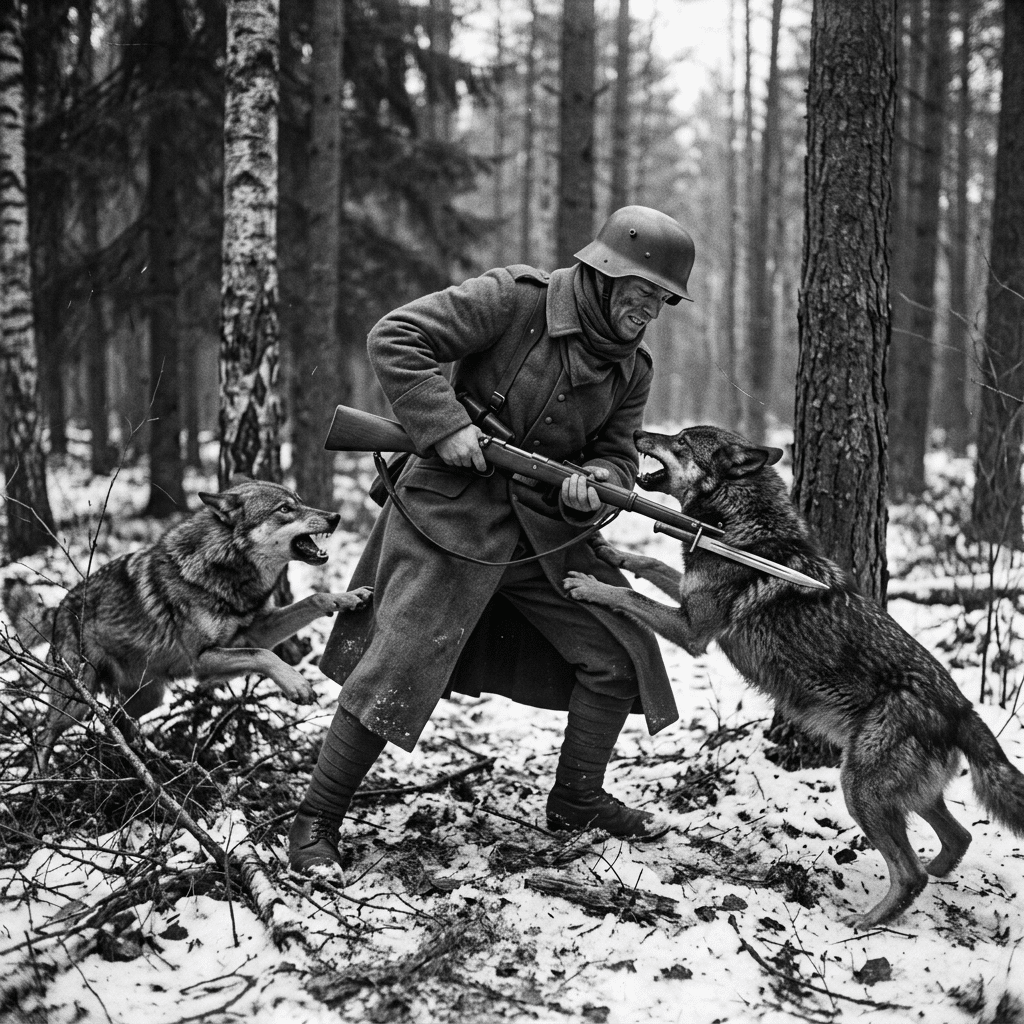
In Dungeons & Dragons, frost giants are one of the six types of true giants and have been developed a lot. They are ranked fourth in the ordning, which is the social order that governs giant culture. Most pictures of these creatures show them to be about twenty-one feet tall and eight thousand pounds heavy, with light blue or dirty white skin and pale blue or yellow hair and eyes. In D&D, frost giants are naturally evil. They live in frozen houses made of ice and stone in arctic or subarctic regions. There, they organize themselves into strict military-style clans led by jarls who stay in power by being skilled in battle and sneaky. They are powerful fighters who can throw huge boulders with deadly accuracy. They are also naturally immune to cold damage, which makes them especially dangerous in their natural settings, where they can use the weather to their advantage. In different versions of the game, their story has grown a lot. They are now considered raiders who value martial strength and plunder, and they often keep slaves and pay tribute to weaker races. They also have complicated relationships with winter wolves and other animals that live in the cold that serve them. In D&D, frost giants have their culture, complete with runic writing, handmade weapons and armor, and a special fondness for jewelry and treasures they’ve stolen on raids. They are a mix of the archetype of the wild warrior and elements of a sophisticated, if brutal, society.
Modern video games, role-playing games, and magical settings heavily feature frost giants as formidable enemies and significant challenges. In video games like Skyrim, frost giants are rare but dangerous enemies that live in the game world’s frozen peaks and tundras. They often guard important items or ancient sites. Many new games go beyond the traditional version of frost giants by giving them more complex reasons for doing what they do. For example, they can be tragic figures protecting their dying homelands or brave fighters with their codes of honor. The game industry has put a lot of emphasis on how cool frost giants look. They use advanced graphics to make stunning designs that show off their cold nature with special effects like frost auras, frozen breath weapons, and the ability to call on blizzards. Video games typically base Frost Giants on mythical giants associated with winter and frost gods. They represent the raw, ancient power of the cold world. This fits with how giants are described in anthropology and literature as old beings that rule over elemental realms like ice and snow. Scholars who study video games and semiotics agree that adding mythical characters to game lore is a common way to keep players in familiar fantasy tropes while letting new game mechanics appear (Belyaev, 2023; Jantzen & Jensen, 1993). Frost giants are usually mid- to high-level enemies in many games. They are usually found in arctic or glacier-themed environments that stress strategic placement, environmental hazards (like slippery terrain, melting ice, frost breath, etc.), and crowd control. Because they are big and thought to last a long time, they often need more than just DPS (damage per second). For example, you might need to use the surroundings to your advantage, target specific weaknesses, or trigger stage-based boss mechanics (Gow & Corneli, 2021).
Different interpretations and academic studies have led to different ideas about the cultural and psychological meaning of frost giants. Some anthropologists and folklorists think that frost giants are likened to winter itself and represent the real dangers that cold weather and ice posed to ancient Scandinavian peoples who had to work hard to survive harsh winters. From a psychological perspective, frost giants could stand for the wild, chaotic parts of nature that humans are always fighting against. They could also represent our fear of going back to a wild, cold state without any warmth or community. Some literary experts say that the long-lasting appeal of frost giants in modern fantasy is a reflection of our worry about climate change and other natural forces that are out of our control. However, this view goes against the usual association by seeing frost giants as victims of a warming world. Others have seen frost giants as symbols of being an outsider or someone who is not like everyone else. They see them as beings who live on the edges of society and threaten the established order just by living in their strange, hostile environments.
Conclusion
Frost giants continue to fascinate us because they represent basic forces that are still important today, even though times and cultures have changed. These creatures have always symbolized how people interact with nature’s darker parts, from the ancient Norse, who feared the deadly cold of winter, to modern readers and gamers who encounter them in games and stories. Their change from mythological bad guys to complicated characters in modern media shows how classic figures can be changed while still having the same power and meaning. Whether they are shown as mindless monsters or as advanced societies with complex cultures, frost giants tell us that some mythological ideas have a lasting impact that goes beyond their original setting and speaks to basic human fears and experiences.
References
Belyaev, D. (2023). The media language of video games: The history of the formation and semiotics of cybertexts. Ooo Zhurnal Voprosy Istorii, 2023(9-1), 188–197. https://doi.org/10.31166/voprosyistorii202309statyi07
Gow, J., & Corneli, J. (2021). Towards generating novel games using conceptual blending. Proceedings of the AAAI Conference on Artificial Intelligence and Interactive Digital Entertainment, 11(3), 15–21. https://doi.org/10.1609/aiide.v11i3.12824
Jantzen, G., & Jensen, J. F. (1993). Powerplay—Power, violence and gender in video games. AI & Society, 7(4), 368–385. https://doi.org/10.1007/bf01891418
Lindow, J. (2002). Norse mythology: A guide to the gods, heroes, rituals, and beliefs. Oxford University Press. https://doi.org/10.1093/oso/9780195153828.001.0001
Lindow, J. (2021). Old Norse mythology. Oxford University Press. https://doi.org/10.1093/oso/9780190852252.001.0001
Ljøgodt, K. (2012). ‘Northern Gods in Marble’: The Romantic rediscovery of Norse mythology. Romantik, 1(1), 141–166. https://doi.org/10.7146/rom.v1i1.15854
Leave a Reply