Imagine a world where magic is common and supernatural beings live in a parallel world to ours. These are the Norse Elves, beautiful and mysterious creatures that have captivated people’s imaginations for centuries. In Norse mythology, they are known for their magical abilities, their connection to the gods, and their role as protectors of the natural world. In this video, we’ll learn more about Norse elves, including where they came from, what role they played in mythology, and how they affected popular culture. Join me on this adventure as we find out what these amazing creatures are hiding and learn about the wonders of Norse mythology.
Norse mythology is an ancient set of religious beliefs centered on deities from pre-Christian Scandinavia. The beliefs come from oral history, and most of what we know about them comes from books written during the Viking Age. It includes stories of a variety of gods, goddesses, giants, and other mythical creatures, such as elves.

Origins
The myths of North Germanic nations, particularly those of the Norse people, are where elves first appeared in Western culture. The elves were minor deities in their cosmology.
Elves are one of the most prominent supernatural beings in Norse mythology. As a result, they play an important role in Norse mythology stories.
The Old Norse word “álfar,” which means “light beings,” can be used to identify the origin of the Norse mythology’s concept of elves. Elves were portrayed as diminutive, cheeky beings who delighted in pulling practical jokes on people in several Norse stories. On the other hand, in some myths, elves were strong, smart, and very good at magic. They were also seen as guardians of the natural world.
Elves were also supposed to be capable of a variety of magical feats. They were thought to have the ability to change their shape, making it challenging to tell them apart from people. In certain tales, they were even considered to have the ability to grant wishes. They were also thought to be able to regulate the weather.
Light and Dark Elves
The two main types of elves in Norse mythology are light elves and dark elves, each with their own unique characteristics and roles.
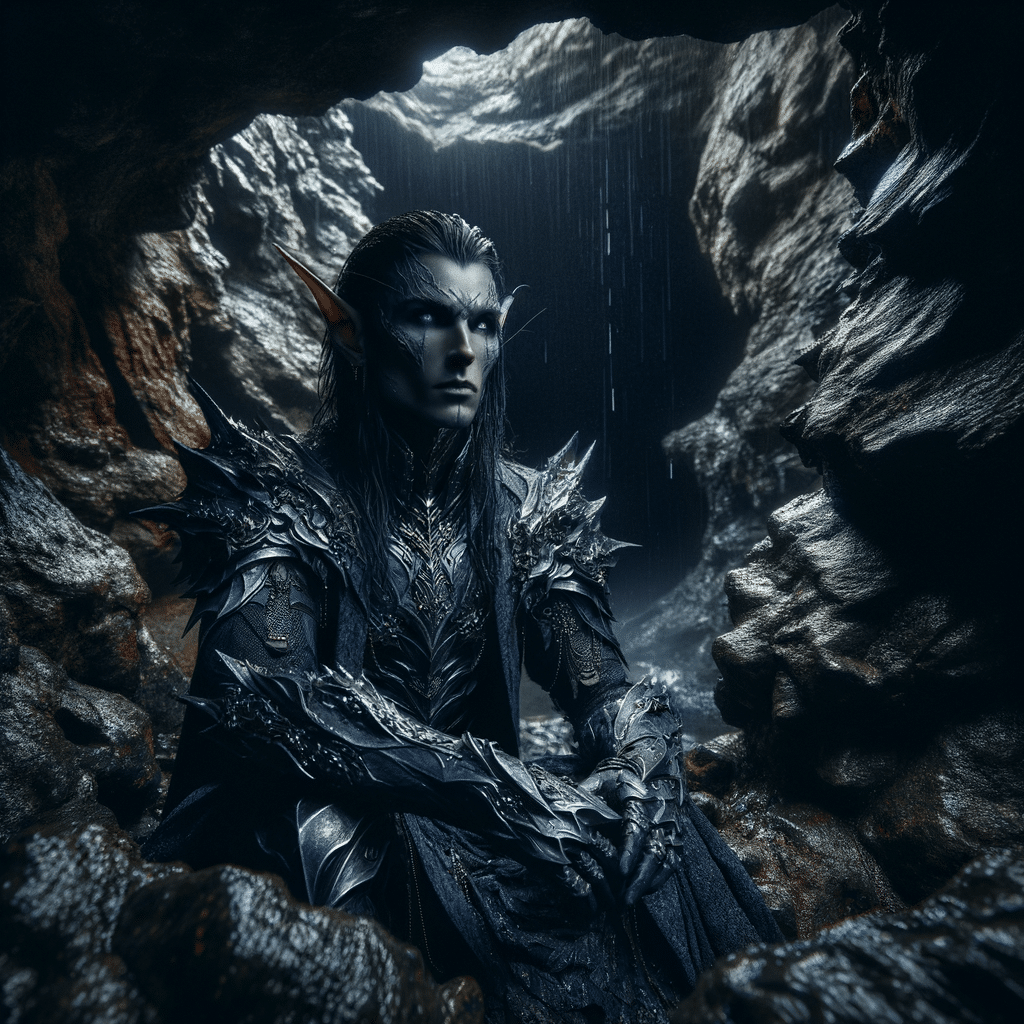
The Light Elves are one of the most well-known representations of elves in Norse mythology. According to legend, the Light Elves were luminous beings that shone with magnificent light. They were revered for their grace and beauty and considered to be the protectors of the natural world. The Dark Elves stood in opposition to the Light Elves and were thought to be a more evil race. The Dark Elves were known for their powerful spells and were often linked to death and decay.
Elves and the god Frey were frequently linked in Norse mythology. Frey was revered as the god of fertility, and he was often shown as the protector of nature. Thanks to the elves, who were supposed to be his helpers, the crops thrived and the animals produced offspring. In some Norse mythology, the goddess Frigg—known for being the embodiment of love and fertility—was also linked to elves.
Frey is also associated with light elves and is said to have had a large court of them in Asgard. Frey’s connection to fertility and prosperity makes him a very important figure in Norse mythology. He is associated with plentiful harvests, successful business ventures, and good luck in general. As such, his light elves are often seen as protectors of these blessings.
Light elves are typically described as being tall, fair-haired, and fair-skinned. They are often seen wearing white or silver clothing adorned with gold jewelry. Light elves are seen as being wise, benevolent figures who protect Frey’s blessings of fertility and prosperity. They are also associated with healing magic and are sometimes seen as messengers for the gods.
Dark elves are typically described as being shorter than light elves with dark hair and dark skin. They are often seen wearing dark clothing adorned with silver jewelry. Dark Elves are frequently portrayed as sinister figures who use their magical abilities for evil purposes such as curses and enchantments. They are also associated with death and destruction, making them feared by many in Norse mythology. The Dökkálfar, as the Dark Elves are also known, live underground and have a “blacker than pitch” appearance.
In Norse mythology, the realm of the Aesir, Asgard, and the land of the Vanir, Vanaheim, were not the only significant places in the universe. The elves also had their own realm known as Alfheim, which translated to “Elf Home” or “Elf World.” Although the Norse people viewed elves as important, there are only a few comprehensive tales about these mythological beings, and most of them only discuss their association with the gods.

Modern Views
A German storyteller named Jacob Grimm and his brother made up many stories about elves. They said that the first elf in the Nordic Creation Myth was a white, good-natured spirit, while the first dwarf was a dark spirit. Over time, the two spirits were defined more clearly, and the term “light-elf” came to refer to actual elves, while “dark-elf” came to refer to dwarves.
Some scholars think that elves are both good and bad because of their religious beliefs, but the idea of good and evil is not unique to Christianity. It is possible that the notion of light/good and dark/bad elves existed before the advent of Christianity. Throughout history, elves have been associated with an “evil side,” and in later Germanic and other cultures’ mythologies, they changed into more mischievous creatures that acted and looked more like people than gods.
Today, modern elfology has incorporated the idea of dualism as it relates to paganism. So, the concept of the Light Elves and Dark Elves continues to intrigue people and spark the imagination.
Norse Elves have been a constant source of ideas for popular culture over the years. They have had an effect on books, movies, TV shows, and video games, among other things.
J.R.R. Tolkien’s The Lord of the Rings series is one of the best-known instances of the Norse Elves’ impact on culture. Norse mythology had a significant impact on Tolkien and provided inspiration for his portrayal of the elves in Middle Earth. In Tolkien’s world, elves are immortal, ethereal beings with a strong connection to nature and magical abilities.
The fantasy role-playing game Dungeons & Dragons is another illustration of how Norse Elves influenced popular culture. The Elves are shown as being graceful, perceptive, and athletic creatures with a natural affinity for magic in the game. They are also renowned for their proficiency with the bow and arrow, making them fierce adversaries in combat.
Norse mythology is another major influence on the well-known video game series The Elder Scrolls, which also has a variety of elves, including High Elves, Dark Elves, and Wood Elves. Players can take use of the distinctive traits and skills that each kind of elf possesses by utilizing them.
Several fantasy books, such as The Dark Elf Trilogy by R.A. Salvatore and The Wheel of Time series by Robert Jordan, show the influence of Norse elves. Similar to the Elves in Norse mythology, the Elves in these books have their own own civilizations, languages, and magical prowess.
Norse elves have left their mark on contemporary TV series and films as well. The “Thor” films of the Marvel Cinematic Universe prominently incorporate Norse mythology, with characters such as Loki, who is portrayed as an elf in some Norse stories, while the popular TV series Vikings depicts Elves as mystical and magical beings.
Conclusion
Overall, understanding the roles of elves in Norse mythology can help us gain a better understanding of this ancient belief system and its impact on Viking society. Knowing how the two types of elves contributed to the stories that were passed down through generations can help us gain a greater appreciation for the values that were held by those who lived during this time period.

Leave a Reply