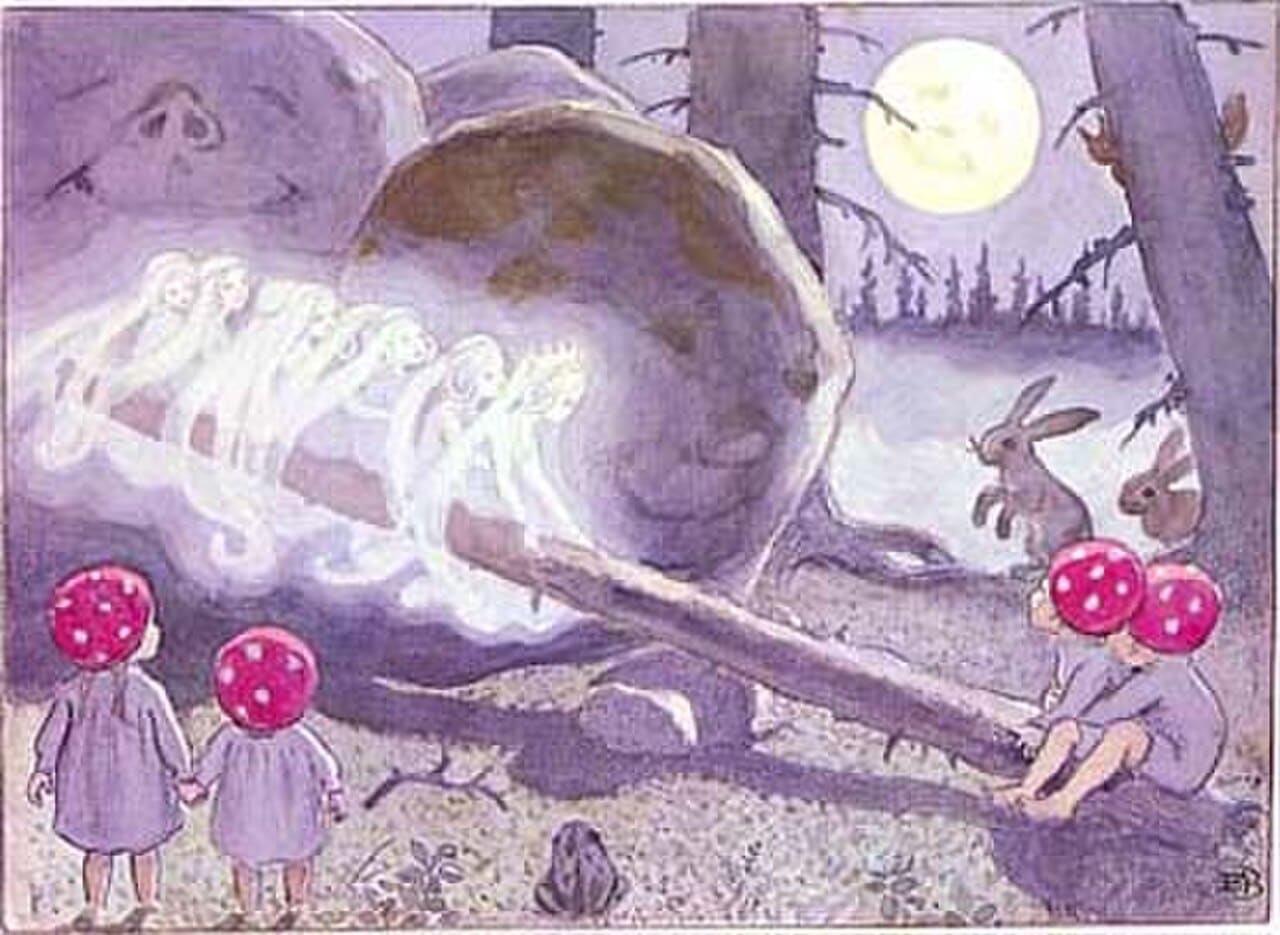
Elf mythology and folklore have woven themselves into the fabric of early Germanic, Norse, and Scandinavian mythology and folklore, captivating humans for generations. Elves have been portrayed in a wide variety of ways throughout history, thanks to cultural and religious influences; these depictions cover the gamut from protectors of nature to fantastical figures from children’s stories.
The Mythology of Elves
Norse and Germanic mythology are where elves first appear in written history. Their depiction here is that of formidable, otherworldly beings, separate from the gods but endowed with a remarkable degree of magical ability. An air of uncertainty pervades their interactions with humans; they may be both helpful and harmful, adored and dreaded. According to Norse mythology, there were two main types of elves: the virtuous and lovely Ljósálfar who lived in the ethereal realm of Alfheim, and the ugly and wicked Dökkálfar who lived underground, representing the darker side of elfin nature.

Norse and Anglo-Saxon Elf Mythology
When the concept of elves made its way to Scandinavian and Anglo-Saxon literature, they were frequently portrayed as otherworldly beings who were linked to nature and fertility. For example, elves are mentioned in the influential Old English epic Beowulf, along with other mythical beings, demonstrating how deeply embedded they are in cultural awareness. The dualistic nature of the Old English compound phrases including the prefix ‘aelf’—’ælfadl’ (elf-sickness)’ and ‘healing’—suggests various societal responsibilities.
There is a strong focus on the elves’ natural beauty and their role in the complicated storytelling found in the Icelandic sagas. Elves are typically portrayed in these legends as guardians of natural sanctuaries where they might interact with humans, as well as vital to the land’s fertility and prosperity. They lived in a world called Elfland which many identify as Fairyland.
The Change in Christian Views on Elves
Christian teachings on elves caused a sea change in popular belief. In traditional legends, elves were transformed from powerful and semi-divine beings into wicked and mischievous spirits. Their once-noble status was drastically lowered when they went from being major players in human mythology to becoming small, bothersome figures and even associated with witchcraft and the devil.
A Victorian Elf and Romanticism
Following the Victorian era’s fascination with the fantastic, the Romantic movement recast elves as small, kind, and charitable creatures. Elves were portrayed in a more positive light in children’s and fairy tales from this era than in their earlier, more conflicted depictions.
Origins of the Modern Era to the Present
Even more so, the advent of the industrial revolution turned elves into hardworking artisans; today, we often see Santa’s elves portrayed as helping out in the toy factory. This idea spread with the commercialization of Christmas and became ingrained in popular culture; it originated in the United States in the nineteenth century.
The Revival of Tolkien in the Twentieth Century
The Lord of the Rings and other high fantasy masterpieces by J.R.R. Tolkien brought the noble elf back into fashion in the twentieth century. Here, the elf myth was reborn, returning to its traditional origins in a more modern, fictitious setting.
Elven Traits in Different Societies
Elves have long been stereotyped as stunningly beautiful, with a penchant for looking incredibly slim and young. From diminutive to gigantic, their stature has changed throughout the ages. Their enigmatic and frequently irrational personalities are matched by their magical skills. As immortal beings that have a special connection to nature, elves are often portrayed as guardians of woodlands and other natural landmarks.

Fantastical Beings from the Land of Modern Fiction and Fairy Tales
In fairy tales, elves have a wide range of magical talents that they can use for good or evil in their relationships with humans. As examples of the moralistic bent of contemporary narrative, they frequently play the role of environmental guardians and have the power to reward good behavior or punish evil.
Famous Stories and Elvin Nature’s Duality
The Norse Ynglinga Saga describes how elves killed King Vanlandi, highlighting their evil nature. Alternatively, the Brothers Grimm’s The Elves and the Shoemaker shows how kind elves can be, as they covertly help a shoemaker who is in need. These two stories show how the elf myth has evolved from a revered supernatural entity to a charming fairy tale figure.
From more sanitized, moralistic positions in modern stories to older ones in which supernatural beings have influence over human fates, the evolution of elven mythology mirrors larger societal and cultural shifts.
Suggested Reading List
Here are three books for those interested in delving deeper into the multifaceted world of elf mythology:
Lindow, J.(2001). Norse Mythology: A Guide to the Gods, Heroes, Rituals, and Beliefs. Oxford University Press. A comprehensive guide to Norse mythology, covering key figures including elves.
Hall, A. (2007). Elves in Anglo-Saxon England: Matters of Belief, Health, Gender and Identity. Boydell Press. This book explores the complex role of elves in Anglo-Saxon culture.
Tolkien, J. R. R. (1954). The Lord of the Rings. Allen & Unwin. A high fantasy epic where elves are depicted as noble and majestic beings, integral to the story’s mythology.
These works provide a rich context for understanding the evolution of elf mythology from its ancient origins to its modern interpretations.

Leave a Reply