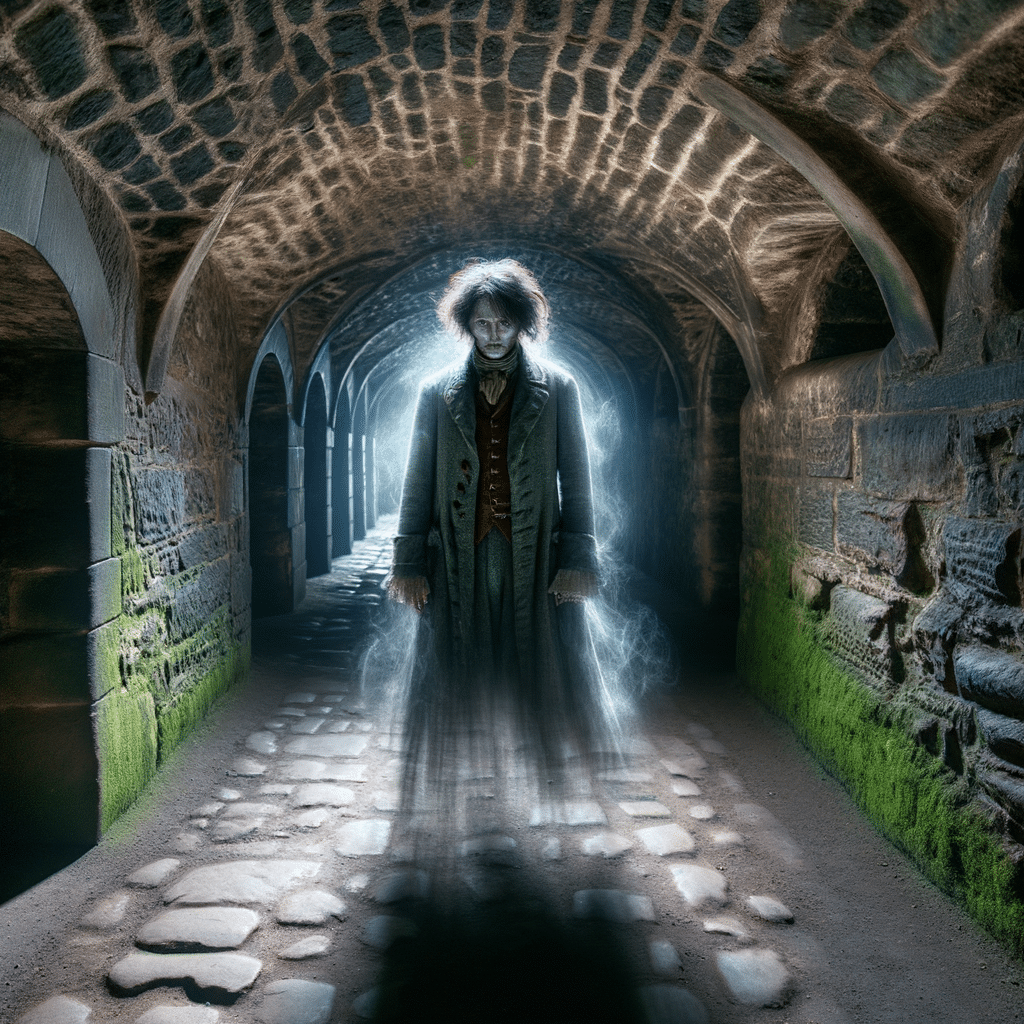
Scotland’s past is replete with stories of inventiveness, survival, and the darker aspects of human need. The development of Edinburgh’s underground vaults is one of the most striking examples of this intricate tapestry. Originally built as a hub for trade and business, these vaults eventually served as a haven for the impoverished, a hub for criminal activity, and a site of desolation until being unearthed centuries later as a spectral time capsule. The Edinburgh vaults’ journey from their legitimate commercial origins to their slide into illegality and abandonment will be examined in this essay, along with the socioeconomic causes that drove these changes and the eerie legacy they left behind.
The Commercial Origins of The Vault and Its Decline Into Illegality
Built in the late 1700s, a system of labyrinth vaults lies beneath the South Bridge’s arches in the center of Edinburgh’s Old Town. At first, these areas were used for legal commercial uses, such as pubs, storage for merchants, and milliners and shoemakers. But the business environment was dynamic, and more covert operations started to eclipse the once-thriving legal commerce.
Irish refugees fleeing the Great Famine (1845–1847) faced conditions similar to the deterioration of the vaults over the course of the 19th century. As a result of the flood of these desperate people, the vaults—which provided some shelter—became a haven for the poor. The inside was unforgiving; the vaults were cold, wet, and provided little shelter from the rain. For individuals without other options, these uncomfortable areas offered a shelter, but this solace was fleeting as the conditions inside the vaults continued to deteriorate.
The vaults had turned into a haven for violence and depravity by the middle of the 19th century. The vaults became inhospitable as prostitution, illicit whiskey distilling, gambling, and violent crime became the norm. They were deserted by the 1870s, and at some point, in the early 1900s, the city above forgot about them and sealed them up.

The Haunting Legacy and Rediscovery
The vaults underneath Edinburgh went undiscovered for over 200 years, a silent reminder of a different time. They were virtually undiscovered until they were found again in the 1980s, having been abandoned long before. The vaults became accessible to the public in 1994, providing a window into a world almost exactly as it existed two centuries earlier.
When tour guides and guests started investigating these underground rooms, apparition reports started to surface. Among them were the ghosts of children, including one called Jack who is thought to have originated during the building of the bridge. A number of visitors related unsettling occurrences such as feeling a child’s hand around them or hearing their giggling. Another ghostly figure, Mr. Boots, gained notoriety for his eerie appearances and disappearances during tour groups. His scruffy appearance and knee-length boots made him easily identifiable.
Conclusion
The vaults in Edinburgh are a sobering reminder of the city’s complex past, which spans from the pinnacles of lawful business to the lowest reaches of vice and social despair. The way these areas have changed over time—from thriving trade hubs to dens of vice and finally abandonment—reflects the difficulties and changes in the socioeconomic landscape. These days, the ghost stories inside the vaults pique curiosity while providing a historical perspective of urban life in the 18th and 19th centuries. We can now face the material and spectral echoes of a history that still reverberates beneath Edinburgh’s streets, thanks to the rediscovery and public vault opening.
Further Reading
Kirkup, R. (2013). Ghosts of Edinburgh. The History Press.
Ghosts of Edinburgh by Rob Kirkup is a captivating exploration of the supernatural and historical specters that haunt Scotland’s capital city. Kirkup delves into the rich tapestry of ghostly lore associated with Edinburgh, from the well-trodden Royal Mile to the city’s dark and winding closes. The book provides a blend of ghostly tales and historical insights, offering readers a chilling yet enlightening tour through one of the most haunted cities in the world.
Henderson, J.-A. (2019). City of the Dead: The Fascinating Supernatural History of Edinburgh. Black & White Publishing.
City of the Dead by Jan-Andrew Henderson offers readers a deep dive into the eerie and supernatural side of Edinburgh’s past. The author presents a collection of stories and historical accounts that reveal the city’s reputation as one of the most haunted places in the world. Henderson combines thorough research with engaging storytelling to uncover the secrets and supernatural occurrences that have shaped Edinburgh’s history.



Leave a Reply