Six Key Points About the Zmeu
-
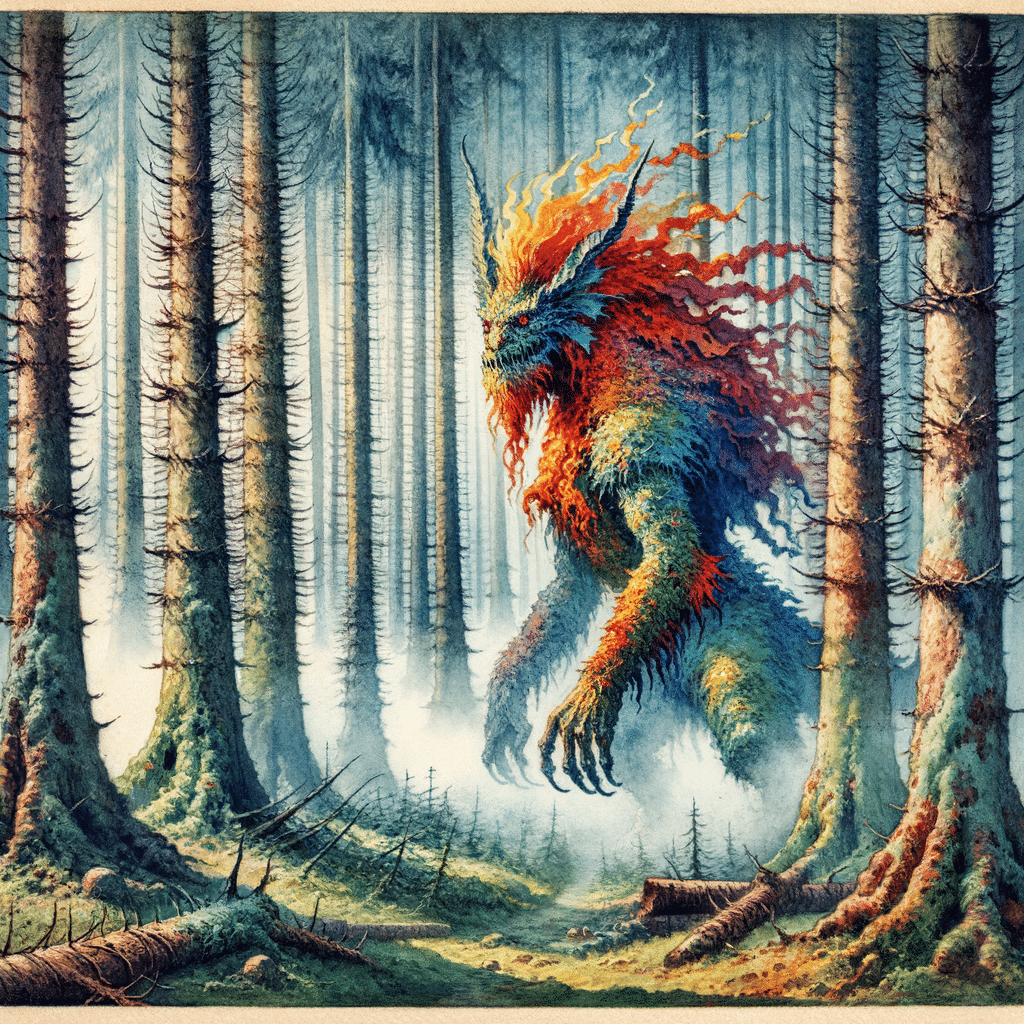
In Romanian and Balkan mythology, the zmeu is a powerful serpent or dragon with several heads, scales, and fire-breathing. It can even become a handsome man.
-
These creatures are aggressive and possessive. In isolated mountains, caves, or abandoned strongholds, they hoard treasure and capture maidens.
-
Zmei are villains in hero stories, explanations for natural disasters, and symbols for forbidden wants or temptations.
-
Traditional folklore uses zmei to demonstrate how order triumphs over chaos, Christianity over paganism, or civilization over nature.
-
Contemporary literature and culture have transformed the zmeu into a complex creature with complex motivations. Some portray them as misunderstood nature protectors.
-
People have traditionally valued the zmeu because it symbolizes power, wealth, and our repressed primal nature.

Introduction
The zmeu is one of the most intriguing and scary animals in Romanian and Balkan mythology. It represents the basic elements of chaos, devastation, and sometimes forbidden desire. For hundreds of years, people have been fascinated by these fabled creatures. They have appeared in innumerable folktales, epics, and, more recently, in modern versions across all forms of media. Zmei (the plural form) are frequently seen as evil beings, although they have many different traits that show how people interact with the unknown, the dangerous, and the supernatural worlds that are thought to exist beyond normal perception. Their long-lasting presence in stories shows how powerful they are as symbols of fear and change, as well as how they challenge heroes and reflect basic cosmic forces.
Description
Distinct regional traditions have quite distinct ideas about what the zmeu looks like, but some things stay pretty much the same. In Romanian tradition, the zmeu is usually a huge snake-like or dragon-like creature with many heads, scales that shine like polished metal, and the power to breathe fire that may turn whole villages to ash. Some stories say that zmei may change into gorgeous young men to trick ladies into falling for them, only showing their actual form when they have caught their victims (Tsonkova, 2013). A lot of stories talk about their strong wings that make thunderstorms when they fly. Their eyes often sparkle like blazing coals. People say that the creature’s blood is either poisonous or magical and that it may change the earth where it falls, making weird things happen or causing fatal dangers.
Zmei are mostly known for being aggressive, territorial, and having an unquenchable thirst for both physical and spiritual goods. They often live in faraway mountains, deep caves, or abandoned strongholds, where they keep stolen treasure, magical items, and even kidnapped maidens. Zmei differ from certain dragons in Western stories because they possess human-like intelligence and the ability to speak. This lets them trick and negotiate with people who come into their territory. They are said to strike deals with evil entities that give them even more power through secret information and strange rituals. Their predatory behavior goes beyond just eating people; they are thought to feed on people’s energy, dreams, and, in certain cultures, even their souls (Stanciu, 2014).
In Balkan folklore, zmei are important as villains in hero stories and as reasons for natural disasters. There are many stories in Romanian, Bulgarian, and Serbian oral traditions about courageous heroes who had to fight these monsters to save abducted princesses, get back stolen valuables, or just keep their villages safe from destruction. The zmeu frequently stands for cosmic disorder or evil that has been around since the beginning of time and must be defeated to keep society in order (Gheorghe & McBeath, 1998). Many regional tales link zmei to weather events, especially storms that cause damage. Their conflicts with heroes explain thunder, lightning, and strong winds. Some farming groups kept up the habit of making ritual offerings to these creatures to keep them happy, ensure they had excellent crops, and keep them from getting angry.

Analysis
The zmeu is more than just a monster in mythology; it typically stands for human wants and forbidden pleasures. In many Romanian folktales, the zmeu who kidnaps a lovely maiden stands for forbidden love or the hazardous pull of the unknown, especially for young ladies who are contemplating leaving their village. The fact that the creature can look like a handsome human suitor shows how worried people are about being lied to in romance and marriage. Some researchers think that zmeu stories had aspects from before Christianity, with the creatures representing ancient, pagan gods that subsequent religions turned into demons. The repeated theme of heroes destroying zmei typically stands for the victory of Christianity over paganism or of civilization over the wild (Nandris, 1966).
The zmeu has become a strong character in literature, standing for both outside threats and inner conflicts. These animals play a big role in Romanian national epics, as heroes like Făt-Frumos face zmei on their way to becoming adults and leaders (Hăisan, 2023). Zmei are complicated villains in modern fantasy fiction, especially in books that use Eastern European traditions. Sometimes, their typically malevolent nature is turned on its head to explore issues of misunderstanding and reconciliation between various species. Modern writers often employ zmei to talk about environmental issues, showing them as old protectors of natural areas that are in danger from human growth and use. Their representation has changed from simple monsters to entities with complicated reasons for doing things, and they sometimes even help human heroes who are battling bigger perils.
The zmeu has become more and more popular in popular culture, albeit its traits are sometimes mixed with those of other well-known dragon varieties from Western traditions. In fantasy role-playing games, zmei-inspired creatures are often tough enemies. The game’s mechanics often incorporate their ability to change shape and their connection to storms. Movies and TV shows, especially those that look into Slavic and Balkan folklore, have presented zmei in different ways. Sometimes they turn them into generic dragon stereotypes, but other times they get their unique cultural importance right. Zmeu stories have inspired many visual artists and illustrators to make powerful images that highlight their scary beauty and otherworldly nature. The fact that the creature can talk and think like a person makes it perfect for stories that need villains with more complicated reasons for wanting to destroy things (Dima, 2023).
The psychological significance of the zmeu reveals much about the fears and desires that people have experienced throughout history. They are both powerful and dangerous, yet they are also quite attractive. Many cultures want power but fear it. Their hoarding shows that they are worried about the gap between rich and poor and the corruption that can happen when resources are concentrated too much. The hero’s trip to face the zmeu is typically a metaphor for the mental process of addressing one’s anxieties and getting past the things that hold them back from growing. Some psychologists say that the zmeu stands for the dark parts of human nature—those strong, basic wants and desires that society tries to repress but that still have an effect on the unconscious mind.
In modern times, the zmeu has changed a lot. Sometimes it looks like an endangered species instead of a threat to existence. Some stories about the environment may portray these animals as misunderstood protectors of the wild whose numbers are going down because people are losing touch with nature. Digital culture has embraced the visual potential of zmei, with video games and digital art exploring their scary looks and mystical powers. Some modern storytellers have examined zmei from their unique perspectives and created narratives that challenge the traditional hero-monster relationship while also addressing the morality of humanity encroaching on ancient territories. These new versions show how people’s views on “the other” are evolving and how people are becoming more conscious of how traditional monster stories sometimes justified conquest and exploitation.
Conclusion
The zmeu’s lasting impact on people’s imaginations shows how complicated our connection is with power, nature, and the unknown. These amazing and scary creatures have changed with time, from stories spoken over the fire to digital streaming services. However, they still speak to profound human experiences of dread, wonder, and change. They remind us that monsters are not just external threats; they are also part of us—our ability to create and destroy, to be cruel and kind. As we keep telling stories about zmei in their many forms, we are taking part in an old tradition of utilizing monsters to learn more about ourselves and address things that might be too hard to face directly. The zmeu, with all its terrifying beauty, is still one of the most powerful images in mythology of the chaotic forces that threaten and regenerate human life.
References
Dima, R. (2023). A Fragmented History of Queerness. In Queer Culture in Romania, 1920–2018 (pp. 7-53). Cham: Springer International Publishing.
Gheorghe, A. D., & McBeath, A. (1998, January). Romanian Meteor Mythology. In Proceedings of the International Meteor Conference, 16th IMC, Petnica, Yugoslavia, 1997 (pp. 82-88).
Hăisan, D. (2023). On the (un)translatability of folkloric elements: Five English versions of Mihai Eminescu’s “Făt-Frumos din lacrimă”. ՀՈԴՎԱԾՆԵՐԻ ԺՈՂՈՎԱԾՈՒ.
Nandris, G. (1966). The Historical Dracula: The Theme of His Legend in the Western and in the Eastern Literatures of Europe. Comparative Literature Studies, 3(4), 367-396.
Stanciu, N. (2014). Some notes about dragons in Slavic and Romanian cultures. ХАБАРШЫСЫ ВЕСТНИК, 171.
Tsonkova, S. (2013). The medieval and early modern Bulgarian charms in the context of compilation: Questions and patterns. Journal of Ethnography and Folklore (New Series 1-2), 3-17. https://academiaromana.ro/ief/rev/REF2013.pdf

Leave a Reply