People have been fascinated by giants for a long time, from old creation legends to new fantasy games. These enormous creatures reveal people’s concerns about strength, the power of nature, the boundary between human and divine, and our place in a universe filled with unfathomable forces. There are several giant stories on the Connect Paranormal Blog. It looks at these remarkable creatures from a multitude of different points of view, including cultural, mythological, and modern. This essay explores the diverse myths and stories weaved throughout Connect Paranormal’s work. It demonstrates how these entities embody fundamental human experiences, transforming into diverse forms shaped by various cultural influences.
Elemental Giants: Creatures that Show the Strength of Nature
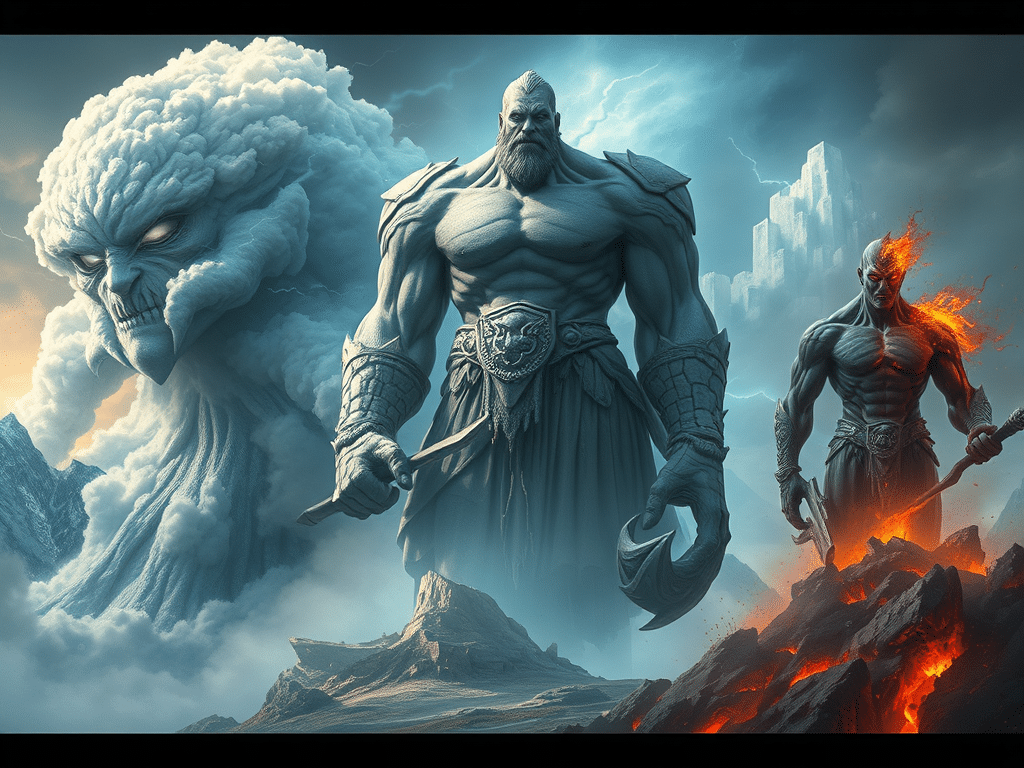
Connect Paranormal’s coverage of elemental giants includes how many societies turned nature’s most powerful forces into people. Storm Giants in Fantasy: Nature’s Power Personified looks at beings that are twenty to thirty feet tall and have skin that looks like storm clouds and eyes that flash like lightning. These giants are both creators and destroyers. The same storms that produce life-giving rain may destroy whole areas. Storm giants hold the highest position in the hierarchy of giants in fantasy stories. They are respected for their brilliance, ability to see the future, and ability to change the weather in terrible ways.
In contrast, Stone Giants: Guardians of Nature in Fantasy Realms exhibits beings that are more like stable rock than unstable weather. These artists, whose bodies look like live rocks, appreciate being alone in the mountains and use sculpture and precise stonework to show how they feel. Storm giants are dramatic and happen rapidly, but stone giants demonstrate how slowly things evolve on Earth. They are not like other large, aggressive types that want to be alone and create art. They depict a different aspect of nature, not its rage but its might.
Fire Giants in Mythology and Fantasy explores beings connected to volcanic forces and transformative flame. These militaristic giants, with their coal-black to glowing red skin, represent fire’s dual nature as both a creative tool and a destructive force. Their sophisticated metalworking and strict hierarchies demonstrate how destruction and creation intertwine—the same forge fires that craft magnificent weapons can consume entire forests. Fire giants’ connection to Norse mythology’s Ragnarök, where Surtr will engulf the world in flames, emphasizes their apocalyptic significance.
The cold counterpart appears in Frost Giants: The Legends of Winter Beings, creatures that show how beautiful and frightening winter can be. Norse mythology says that these blue-skinned jötnar depict how hard life was for humans in the past when winters were quite cold. Their never-ending hatred for the gods reveals that civilization is always fighting against winter’s fatal grip, and their complicated culture proves that societies may exist even amid icy wastelands. The similarities between the Japanese Yuki-onna and the Slavic Morozko indicate how the dangers of winter led to huge stories all throughout the world.
Understanding Cloud Giants in Mythology and Fantasy presents aerial beings whose luminescent beauty and aristocratic bearing reflect humanity’s fascination with unreachable sky realms. These sophisticated giants, dwelling in magnificent cloud castles, represent distant authority and the mysterious forces governing weather from above. Their emphasis on wealth display and social hierarchy mirrors human societies, while their literal elevation symbolizes social stratification.

Primitive Giants: Embodiments of Chaos and Appetite
Not all giants represent elemental sophistication. Understanding Hill Giants: Traits and Cultural Significance looks at the most brutish sort of giant, who are creatures that are driven by voracious cravings and territorial drives. Hill giants are the lowest in the giant hierarchy. They are twelve to sixteen feet tall and have thick, warty skin. Their primal character and simple goals make them easy enemies in fantasy games. They also represent the chaotic and uncivilized parts of nature that civilization must always fight against. Hill giants remind us that not all strong beings are smart or refined; sometimes just being strong and hungry is enough.
Cross-Cultural Giant Traditions
Connect Paranormal’s exploration extends beyond fantasy archetypes to examine giants in specific cultural mythologies. Exploring the Jötnar: Giants of Norse Mythology presents a basic overview of the Norse tradition that has had a big impact on many current fantasy giants. The jötnar were not just enemies of the gods; they were ancient beings whose interactions with the Æsir included fighting, working together, and even becoming married. This complexity shows that the person had a complicated vision of the world, in which order and disorder, civilization and wilderness, were always at odds with each other.
Nephilim Giants: Legends of Power and Chaos looks at ancient giants who were born when angels and people mixed together in a way that wasn’t authorized. These evil people were corrupt, and God needed to clean them up through the Flood. The story of the Nephilim had a major effect on Western giant mythology. It connected giantism with moral decline and divine judgment in ways that changed how people thought about it in the Middle Ages and thereafter.
The comparative analysis in Nephilim vs. Jötnar: Mythical Giants Explained uncovers fascinating connections and differences between these religious giants. The Nephilim signified evil that needed to be punished, while the Jötnar represented the chaos that existed before the world began and would eventually lead to a fight at the end of the world. Both faiths employed giants to examine the distinctions between deities and humanity, as well as between order and chaos; yet, they arrived at divergent theological interpretations regarding these cosmic entities.
Exploring Quinametzin: Giants in Aztec Mythology shows how Mesoamerican cultures made their own giant traditions. The Quinametzin lived in earlier cosmic ages, but they were destroyed because they were too chaotic. They used myths to explain archaeological puzzles. This cyclical interpretation of cosmic history, which says that giants lived in earlier world eras, is very different from linear biblical stories, even though they both ask comparable questions about beginnings and ends.
Regional Giant Legends and Modern Sightings
Connect Paranormal also examines regionally specific giant traditions that blend indigenous mythology with colonial influences and modern cryptid sightings. Legends of Giants in Appalachia: From Native Tales to Cryptid Encounters chronicles the story of giants from Cherokee tales to 19th-century newspaper articles about giant skeletons to modern-day sightings of creatures that look like Bigfoot. The article looks into disputed claims that the Smithsonian hid evidence. It shows how giant tales live on because people would rather not follow the rules of institutions.
Giants of Peru: From Ancient Myths to Modern Legends examines how Inca mythology’s Jatun Runa combined with Spanish colonial interpretations to create hybrid narratives. Modern sightings in the Andes and Amazon often portray giants as environmental guardians, showing how ancient myths adapt to address contemporary concerns about ecological destruction.
Specific Historical Cases and Hoaxes
Connect Paranormal balances mythological analysis, and critical examination of specific giant claims. Lovelock Giants: The Si-Te-Cah and Ancient Giant Tales investigates Northern Paiute traditions about red-haired giants and archaeological discoveries in Nevada’s Lovelock Cave, examining how indigenous oral histories intersect with archaeological interpretation.
Exploring Irish Giant Legends and Their Myths surveys Ireland’s rich giant traditions, from the Fomorians to Fionn mac Cumhaill, showing how giants shaped Irish landscape mythology and national identity. These figures often functioned as cultural heroes or explanations for megalithic monuments.
Ancient Giants of Malta: Myth or Reality? examines claims about giant builders of Malta’s prehistoric temples, exploring how genuine archaeological mysteries inspire giant speculation and how folklore attempts to explain impressive ancient engineering.
The Cardiff Giant Hoax: 19th-Century Fraud provides crucial context by examining history’s most famous giant hoax, demonstrating public eagerness to believe in giants and how commercial interests exploited these beliefs. This cautionary tale reminds readers to approach giant claims critically while appreciating their cultural significance.

The Enduring Appeal of Giants
These different articles show that there are a few common themes in gigantic mythology. Giants always represent things that people can’t control, such as storms and winter, remote authority, or psychological forces like hunger and turmoil. Their scale makes abstract ideas real, so societies can talk about cosmic ideas through stories about people.
Giants also serve as “others” that help us understand what it means to be human. Their presence at the edges of society, the wilderness, and the holy helps cultures figure out what is inside those edges. Hill giants’ brutishness makes human intelligence valued; storm giants’ power makes human fragility relevant; frost giants’ hatred makes civilization’s warmth precious.
The change from giants being part of myths to becoming part of modern fantasy games shows how flexible they are. Dungeons & Dragons and other games like it have turned different types of giants into game mechanics while keeping their archetypal meaning. This approach has brought giant stories to new generations and let people make them their own. Modern depictions typically add psychological depth, turning giants into sympathetic people or complicated characters instead of just monsters.
Today’s sightings of giants, whether in Appalachia, Peru, or elsewhere, demonstrate the continued existence and vitality of these tales in culture. People have been telling stories about massive humanoid entities in isolated areas for thousands of years. They use giant frameworks to make sense of strange experiences, such as cultural narratives, psychological interpretations, or sociological theories that help explain the phenomenon of giant sightings. Whether these reports stem from misidentifications, folklore, or authentic unexplained happenings, they illustrate the enduring significance of giants in human experience.
Conclusion
The Connect Paranormal Blog’s in-depth look at enormous mythology shows that these giant beings are more than just simple monster legends. People use giants as a symbol to express their deepest concerns about our interactions with natural forces, social hierarchies, moral boundaries, and the order of the universe. Storm giants represent weather power, hill giants symbolize base appetite, biblical Nephilim delineate divine-human boundaries, Norse jötnar embody primordial chaos, Aztec Quinametzin represent earlier cosmic ages, and modern Appalachian sightings blend folklore with cryptozoology. Giants come in many forms and meet the same human needs.
These beings allow cultures to give abstract forces human-like traits, making the impossible seem real through stories. They set limits by being in the spaces between categories. They explain anything from old ruins to natural disasters. They provide us ways to talk about power, breaking the law, and changes in the universe, illustrating how these themes manifest in various cultural narratives and human experiences. Giants continue to speak to basic parts of the human experience, whether they are found in ancient mythology, medieval folklore, fantasy games, or recent sighting claims.
Connect Paranormal’s in-depth research demonstrates that giant mythology remains significant because it addresses enduring questions: How can we connect with things we can’t control? What makes civilization different from chaos? What are the lines that separate what is acceptable and what is not? How can we figure out where we fit in a vast, often unfriendly universe? As long as people ask these questions, giants will walk through our history. They will be huge reminders that some mysteries, abilities, and fears go beyond any one culture or time and speak to the human condition as a whole, illustrating our shared struggles and aspirations in the face of an often unfriendly universe.