
The mysterious story of the green children of Woolpit is an enduring legend from 12th century England that has been captivating people for centuries. The green children were two mysterious figures that were found by local villagers near the village of Woolpit in England. They had physical features that were strange and unfamiliar, such as green skin, and they spoke a language that no one in the village could understand.
The Story
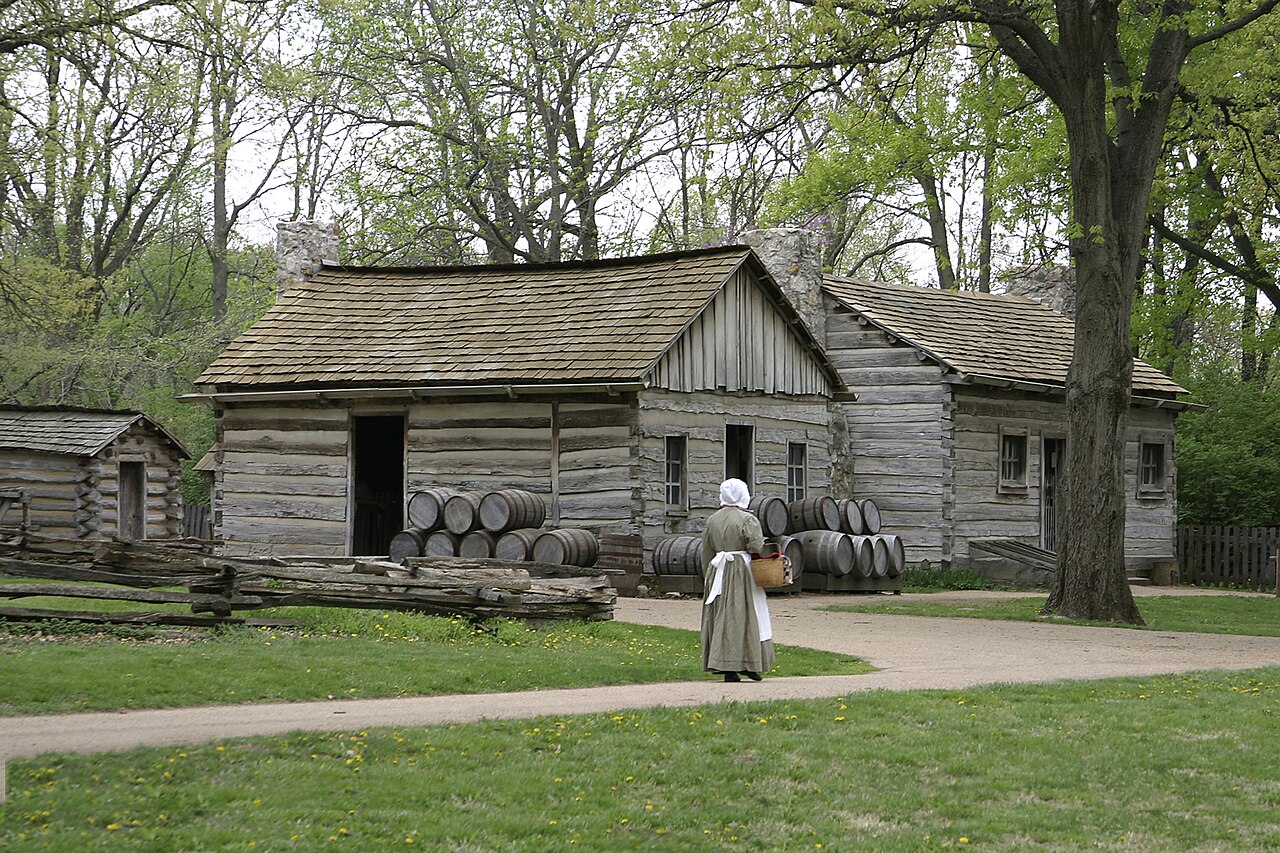
For ages, people have been fascinated by the historical phenomenon known as The Green Children of Woolpit. King Stephen, who ruled England from 1135 to 1154, was in power during the time the Green Children of Woolpit first appeared. There was a lot of political unrest and civil conflict at this time, and there were many lords competing for dominance over the country. The village of Woolpit was a small community surrounded by farms and pastureland. The landscape of the area was rural and agricultural.
The people of Woolpit lived in a system of social and political organization in which land was owned by the lord or king and worked by the serfs. The lord controlled his lands through manors, which were large estates centered around a castle, church or village. Serfs worked on the land for their lords, paying rent or providing labor services like farming and herding animals. In exchange for this service, they were given protection from enemies as well as some rights to use certain resources such as hunting grounds and forests. Feudalism provided stability during medieval times but it also had its disadvantages; serfs often faced harsh taxes and punishments if they disobeyed their lords’ orders.
According to legend, the 12th-century tale took place in and around Woolpit. The story goes that a boy and a girl with green skin emerged out of nowhere in the fields close to the village. They had a weird green hue to their skin and clothing, and they were conversing in a language that the locals did not understand. The kids were brought to Richard de Calne’s house. The two avoided all food for a number of days before discovering some raw wide beans, which they happily ate. The kids eventually lost their green color as they became accustomed to eating regular food.
Eventually, the villagers were able to decipher that these two green-skinned children kids who had gotten lost and stumbled upon Woolpit. After much patience and perseverance from those involved in helping these strange kids settle into their new home, it was revealed that they had come from a faraway land where everyone’s skin color is green instead of pink! This unknown land soon became known as the Land of St Martin – an isolated kingdom where inhabitants have green skin due to living there for years without any contact with people outside the kingdom.
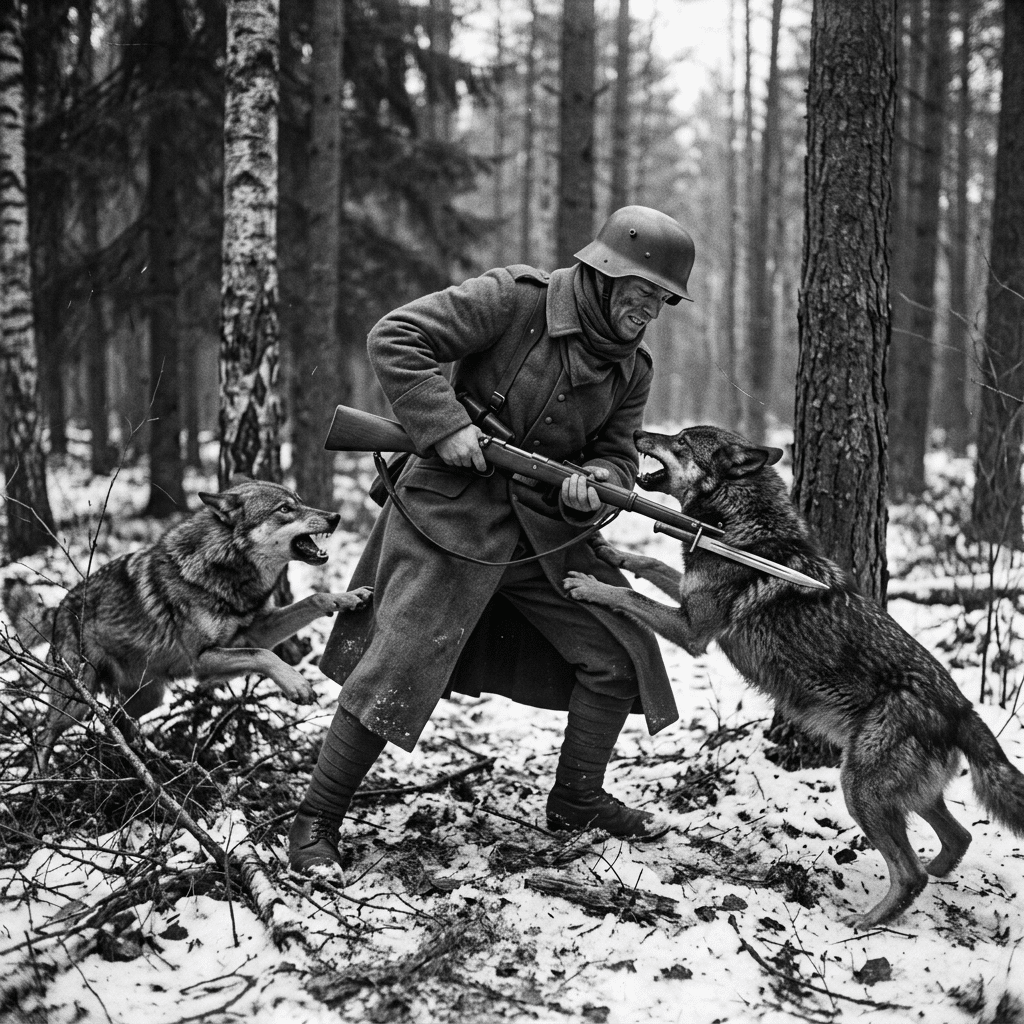
The kids couldn’t explain how they got to Woolpit; they had been herding their father’s cattle when they heard a loud noise and then they found themselves beside the wolf pit where they were found. They got lost after following the cattle into a cave and were eventually led by the sound of bells to where they were found.
The children were baptized. The boy was sickly and died soon thereafter. Agnes was the name given to the girl. She worked as a servant for Richard de Calne for many years, where she was regarded as “extremely wanton and impudent.” Before vanishing from history, she wed Richard Barre, a royal officer from King’s Lynn, which is around 40 miles (64 km) away from Woolpit.

Theories
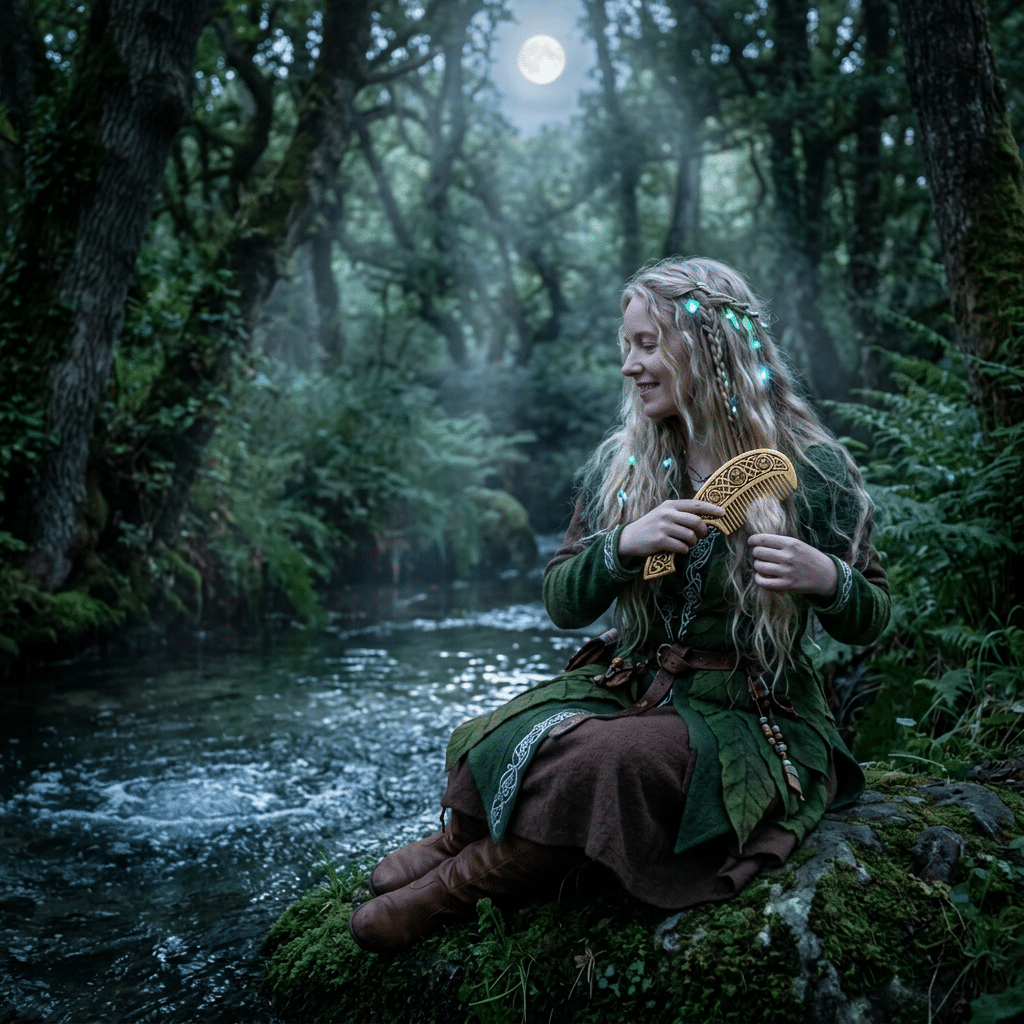
The origin of the green children has been debated for centuries and is one of history’s most intriguing mysteries. While some believe they were fairies or elves from a hidden realm.
One popular theory says that the green children of Woolpit may have come from another dimension or traveled through time to get there. Some people think that this story might be based on more than just myths and legends, despite this explanation having been used in many works of fiction and fantasy. Others suggest they could be aliens from another world, while still others believe they might be descendants of a lost tribe who somehow managed to survive for centuries without contact with other humans. Despite all these theories, no one can definitively say where these mysterious children originated from, leaving this story shrouded in mystery and speculation; however, it continues to captivate the imaginations of those who hear the tale today.
Some have brought up the historical background of the era in which the Green Children first emerged. In England, which was going through a lot of political and social turmoil at the time, many people were looking for answers for strange and enigmatic incidents. These more significant cultural and historical factors might have influenced the plot of the Green Children. Paul Harris suggested in 1998 that the history of the 12th century provides a “down to earth” explanation of the green children. He claims that they are descended from immigrants from Flemish countries who migrated to eastern England in the first half of the 12th century and were later punished after Henry II became king in 1154. He suggests that the settlement of Fornham St Martin, located just north of Bury St Edmunds, was the children’s “St Martin’s Land” and that their parents were Flemish clothworkers who had moved there.
Additionally, the Battle of Fornham, which took place in 1173 during the civil war between King Henry II and his son “the Young King Henry,” took place in Fornham. Royal soldiers routed the rebels, led by Robert de Beaumont, 3rd Earl of Leicester, and a sizable contingent of Flemish mercenaries, on the banks of the River Lark after they had landed in Suffolk. Harris speculates that there may have been violence against peaceful Flemish residents in the area after the slaughter of the Flemish mercenaries. It’s possible that the kids ran away and eventually ended up at Woolpit. The children would have made for a very weird sight for the Woolpit locals, disoriented, perplexed, speaking no English, and clothed in strange Flemish clothing. Harris thought that green sickness, which is caused by a dietary shortage, could account for the children’s coloring.
Some other people have also said that the story of the Green Children of Woolpit might have been based on old myths and folktales. For example, the story of the Green Children has some of the same parts as other stories about fairies, elves, and other mythical creatures.
One theory regarding the children’s green hue is that they had Hypochromic Anemia, which was formerly known as Chlorosis coming from the Greek word Chloris, meaning greenish-yellow.
Chlorosis is brought on by a particularly poor diet, which changes the color of red blood cells and makes the skin visibly greener. People say that the girl’s normal color came back after she switched to a healthy diet, which seems to back up this idea.
Literature
The story served as the inspiration for other children’s novels and stories in the 20th and 21st centuries, including Judith Stinton’s 1983 novel Tom’s Tale, Mark Bartholomew’s trilogy in 2006 and 2007, and J. Anderson Coats’ 2019 book The Green Children of Woolpit.
Kevin Crossley-Holland is a poet and writer for children. He has written about this topic more than once. His 1966 book The Green Children essentially follows the early chroniclers’ accounts. The green girl is the main character in his 1994 rendition of the tale.
Conclusion
The story of the green children of Woolpit has had a lasting impact on the local area and has been passed down through generations, providing a source of mystery and intrigue that continues to fascinate people today. In the end, the story is an interesting legend that has puzzled people for hundreds of years and still doesn’t make sense. There are various theories on where the children may have come from.
References
Bartholomew, M. (2006–2007). [Green Children of Woolpit Series]. Educational Printing Services Ltd.
Coats, J. A. (2019). The Green Children of Woolpit. Boston: Atheneum Books for Young Readers.
Crossley-Holland, K. (1994). The Green Children. London: Macmillan.
Stinton, J. (1983). Tom’s Tale. London: Littlehampton Book Services.
Leave a Reply