
As a symbol of both the material and ethereal worlds, the unicorn has long captivated people’s imaginations. The transformation of the unicorn from an ancient symbol to one that has survived into mediaeval allegories and now finds symbolic use in contemporary culture mirrors the changing limits of human belief and the everlasting yearning for holiness and enlightenment.
Prehistoric Roots and Animal Lists
The myth of the unicorn originated in the writings of ancient Greek physician Ctesias, who, while traveling through India, described a wild animal with lightning speed and a single horn perched on its head. People believed Ctesias’s writings based on the accounts of travelers even though he never saw a unicorn in person.
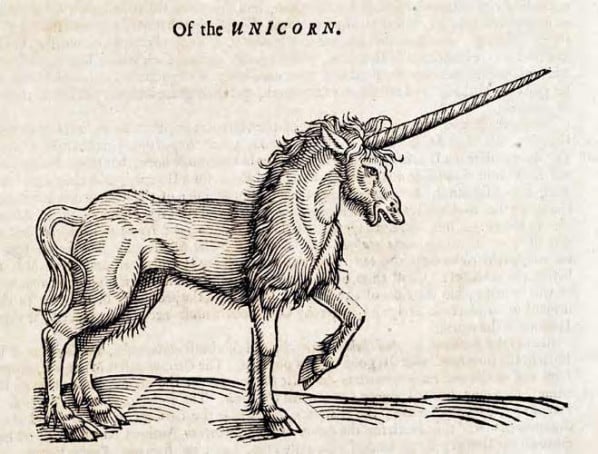
The unicorn was a common figure in early bestiaries, which mixed factual biological information with myth and metaphor. According to the early Christian book known as the “Physiologus,” which is rich with animal symbolism, a virgin was the only one capable of taming the ferocious unicorn. This story took on a more symbolic role, becoming a symbol of the triumph of virtue and innocence over evil and the wild.
The unicorn became a popular symbol of chivalry, innocence, and rarity in medieval art and literature. The heroic unicorn voyages were more than simply made-up tales; they mirrored a universal need to learn about and control the most primal and unruly parts of ourselves and the universe.

The Symbolism of the Horn
The unicorn’s one horn is its most distinctive trait and a symbol with many meanings in many countries and eras. It stood for a powerful spiritual bond with the divine for many.
Many Christians saw the horn as an emblem of God’s power and mercy. It was often seen in religious art as a symbol of the oneness of Christ and the innocence of the Virgin Mary, pointed upwards toward the heavens.
In Eastern belief systems, the horn represents transcendent knowledge and insight gained through opening the Third Eye, a portal to enlightenment. The belief that it could cure illness, purify water, and have medical characteristics made it a highly sought-after artifact during the Renaissance and Medieval periods.
Artistic and Allegoric Uses of Unicorns
Many medieval tapestries, paintings, and sculptures included unicorns. Typical depictions place it in a tranquil setting, such as a garden or forest, where it can represent a miniature paradise where all things are in perfect harmony.
One of the ways the unicorn came to be associated with innocence and virginity in art was when it would appear beside a young girl. The coupling also hinted at courtly love themes, with the unicorn standing in for the ideal lover—one who is unwavering in their commitment and has no ulterior motives.
Judging truth and character were also part of the unicorn’s metaphorical role. It was commonly connected with justice-seekers and judges due to its supposed poison-detection abilities. Legend has it that the alicorn, which is a representation of the unicorn’s horn, could cleanse and shield the innocent from harm by neutralizing poisons.

In Summary
Transforming from a legendary beast to a mythological emblem, the unicorn exemplifies the eternal allure of mystery, strength, and innocence that humans share with other magical creatures. The fantasy creature has evolved beyond its physical form to represent the pinnacle of human achievement, which includes attaining enlightenment, remaining pure, and seeking the holy. The way it has developed throughout the years is evidence of how myth can embody and communicate our most profound desires. As a symbol of the ethereal bond between our tangible reality and the deep secrets that evade our comprehension, it’s enduring influence never ceases to amaze and motivate.
Further Reading
The following books provide a deeper look into this enchanting subject for those who are interested in the mythological and cultural development of the creature. Each book provides a unique perspective on how the unicorn has been revered and represented throughout history, in art, and in the human psyche.
Shepard, O. (1982). The Lore of the Unicorn. London: Random House UK.
Shepard’s work is a classic exploration of the various myths and legends surrounding unicorns throughout the world. The book meticulously traces the unicorn’s origins and its various depictions in art, literature, and religion, offering a comprehensive understanding of this mystical creature’s role in human culture.
Lavers, C. (2010). The Natural History of Unicorns. New York, NY: HarperCollins Publishers.
In her book, Lavers delves into the myths surrounding unicorns and considers how they might have drawn inspiration from real animals and traveler’s tales of the unknown. This fascinating read uncovers the truths behind the legends and provides a compelling argument for the role of natural history in the evolution of the unicorn myth.
Freeman, M. (1998). The Unicorn Tapestries. New York, NY: Metropolitan Museum of Art.
In her beautifully illustrated book, Freeman presents a detailed study of the famous Unicorn Tapestries housed at The Cloisters in New York. She explores the iconography and symbolism of the tapestries, offering insights into the medieval mind and the allegorical meanings of the unicorn that have captivated audiences for centuries.



Leave a Reply