
Norse magic shaped a person’s perspective on the world through their link to the past within an elaborate and complex web of ancestry. This strong connection to ancestors was more than just a historical acknowledgement; it was a living, breathing continuum that danced harmoniously between the past, present, and future.
The Norse viewed ancestry as a thread that connected successive generations as it wound through time. This generational connection produced a sense of continuity that went beyond personal lives. More than just biological heritage, the concept of ancestry encompassed the common knowledge, life lessons, and cultural legacy inherited by succeeding generations.
This continuity of family and culture created a strong sense of identity. People identified with their personal family as well as a broader kinship that reached back into the ancestral domains. The customs, values, and tales passed down through the ages established the basis of individual and societal identity. It was a bond that extended beyond the person, enmeshing each one of them in a larger story that had begun long ago and would go on for some time.
They discovered a source of resiliency, purpose, and strength in this familial and cultural setting. Their ancestors’ hardships, victories, and legacies served as a source of inspiration, directing current events and forming goals for the future. The link to the past served as a stabilizing factor and a reminder that they were a part of something greater than themselves during difficult times.
There were other ties to the past besides genetic kinship. It encompassed the larger community and cultural legacy. The myths, sagas, and collective accomplishments of a people’s shared past shaped the complex fabric of Norse identity. Each strand contributed a unique color to the rich mosaic of Norse culture, forming a tapestry.
Therefore, the concept of the continuum of lineage was dynamic, energizing daily life rather than being static. It was evident in the words used, customs followed, and principles maintained. The Norse were always aware of their place on this continuum and the impact of their decisions and deeds on not only the present but also the legacy that future generations would inherit.

Worship of Ancestral Magic
Ancestor worship, a fundamental component of Norse magic, was a deeply embedded religious and cultural practice among the Norse people. It was far more than just a historical acknowledgement; it was a dynamic and reciprocal link between the living and the dead, signifying an active involvement with the spirits of those who had come before.
Ancestor worship took the form of a tapestry of rituals, offerings, and commemoration ceremonies among families and communities. These were deliberate efforts to maintain a harmonic connection between realms—bridging the magical past with the concrete present—rather than meaningless gestures. Families in particular came together to honor their ancestors through rituals that alluded to a deep sense of reverence, appreciation, and a common spiritual path.
The various and varied ancestor worship rites were indicative of the Norse culture’s geographical and familial differences. They included anything from small, private parties at family fireplaces to grandiose community events hosted at hallowed locations. These rites reverently remembered the acts and contributions of the ancestors to the family or community, calling upon their names.
Offerings made to the ancestral spirits played a central role in these festivities. These reciprocal offerings, which included food, drink, and symbolic objects, confirmed the belief in a continuous line of communication and connection between the worlds of the living and the dead. It was believed that the exchange of gifts and blessings maintained the spiritual ties that went beyond death.
In ancestor worship, magical memorial services were held in a specific location as an opportunity for the community to honor and remember the deceased. These occasions frequently fell on holidays or periods of the year that are devoted to honoring ancestors, including Álfablót (Ancestor Worship). The events promoted a collective sharing of anecdotes, recollections, and the collective wisdom passed down through the centuries.
The deeper symbolic meaning of ancestor worship extended beyond the ceremonies and offerings. The goal was to intentionally incorporate historical strands into the current fabric. The Norse understood that their forefathers’ spirits persisted in a spiritual realm. They made an effort to interact with them in order to receive the blessings, protection, and direction that they felt came from the world of their ancestors. Norse magic used this to benefit the living.
Spirits of the Past
The survival of ancestor spirits, a fundamental idea that went beyond the limits of life and death, was central to Norse magic. The Norse perspective viewed death as a transition, not an end, and believed the deceased’s spirits to journey into a spiritual realm.
This spiritual realm, believed to exist in addition to the material world of the living, was home to the spirits of the ancestors. It was believed that after passing away, ancestors retained their identity, consciousness, and ability to communicate with the living. This belief in the eternal presence of ancestral spirits fostered a vibrant and mutually reinforcing bond between generations.
Rather than being reduced to a remote or passive function, ancestral spirits were seen as actively involved in their descendants’ lives. Because of their kinship, familial relationships, and shared history as a nation, people believed these spirits had a stake in the affairs of the living. The dynamic link existing between the living and the spirits of the ancestors served as the foundation for seeking direction, protection, and blessings.
Not only did people recognize the impact of ancestor spirits on living things, but they actively welcomed them. It became customary to seek guidance from the collective experience of those who had come before. People consulted their ancestors for wisdom and guidance during pivotal occasions, difficult decisions, or difficult circumstances. People believed that the spirits, possessing a broader perspective unencumbered by earthly limitations, could offer profound wisdom and guidance.
Another aspect of the bond with ancestor spirits was protection. Families and communities looked into their ancestors’ watchful eyes, thinking that the spirits might act as protectors, providing a barrier against evil forces and assisting their offspring in overcoming obstacles in life. It was believed that the link between the living and the spirits of their ancestors provided courage, resiliency, and divine protection.
Engaging with ancestor spirits was another way to seek blessings. People tried to call upon the kindness of their ancestors through rites, sacrifices, or sincere prayers. The idea that ancestor spirits may bring blessings to the living emphasized the relationship between generations and the idea of a common journey influenced by the experiences of those who had gone before.

Professional analysis and historical background
Historians and anthropologists alike have extensively highlighted the significance of ancestry and ancestor veneration in Norse society. Leading expert on Old Norse studies Jesse L. Byock claims that the idea of “hamingja,” which is a kind of good fortune or life force shared by family members, exemplifies the strong intergenerational bonds that existed throughout Norse civilization. According to Byock, ancestral connections were believed to be a source of personal strength and societal cohesion, with the deeds of forebears reflecting upon the living.
Furthermore, historian Jenny Jochens highlights the ritualistic elements of ancestor worship in her investigation of Norse mythology and society. Jochens points out that rituals and ceremonies dedicated to the dead were not merely acts of remembrance but were seen as essential practices to maintain cosmic balance and social order.
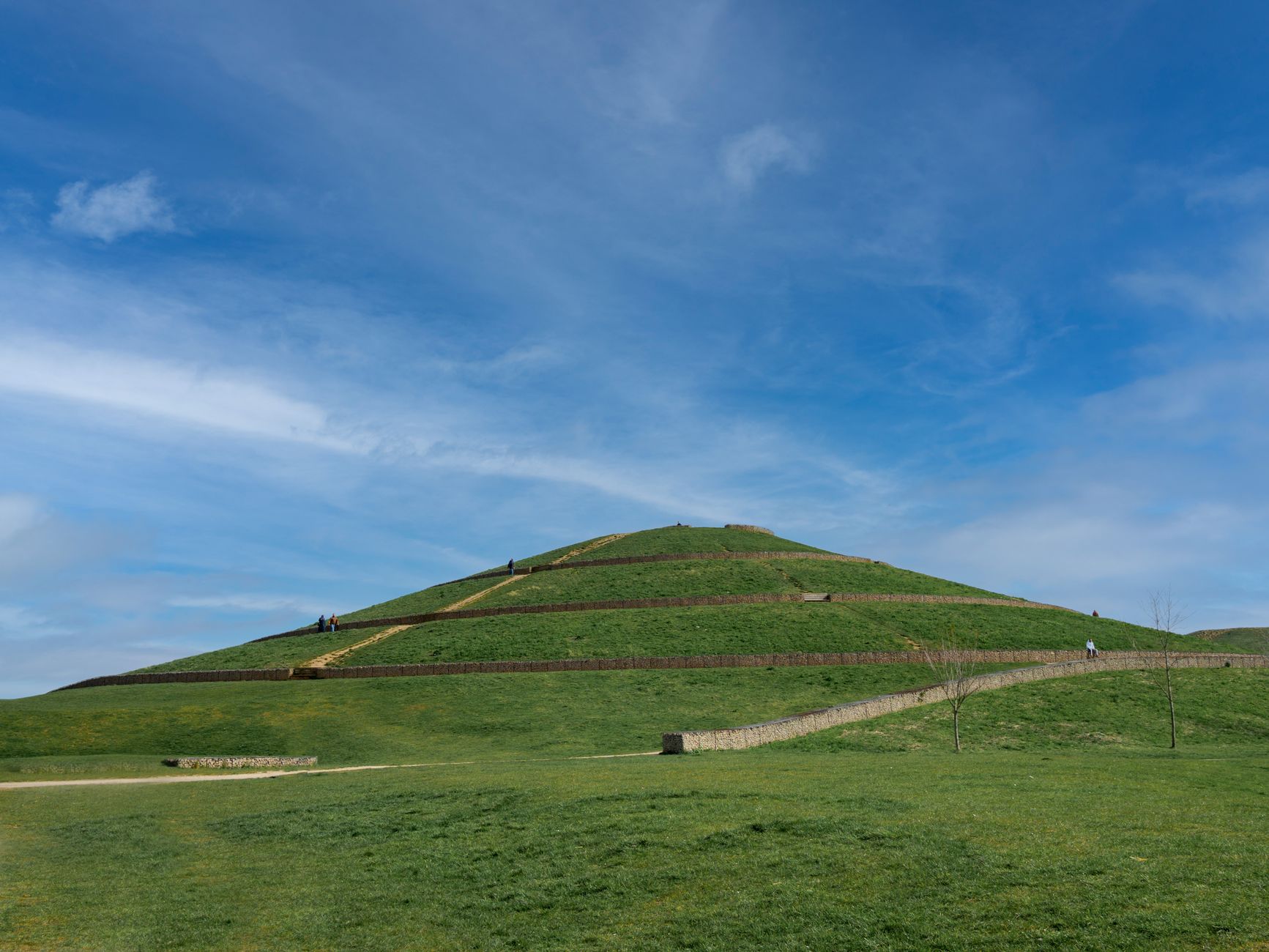
There is also concrete proof of Norse culture’s respect for forebears in the archaeological record. Extensive evidence of the respect and adoration bestowed upon notable persons are the burial mounds located at the Oseberg and Gokstad sites in Norway. These burial sites frequently yielded rich grave goods, suggesting that the deceased received possessions for their afterlife and a belief in a life beyond death.
Conclusion
According to Norse magic, ancestor devotion was a dynamic and essential part of Norse religious and cultural life, not a static tradition. Strong ties to the past, expressed through rituals and ceremonies, and a strong belief in the enduring presence of ancestor spirits, shaped the Norse people’s identity, provided guidance, and provided protection. Their society’s cornerstone was the intergenerational tie, which reflected a philosophy that saw the past, present, and future as intimately intertwined.
We learn more about the Norse people’s cosmic perspective by looking through the prism of Norse magic and ancestor worship. It exposes a culture that is firmly anchored in respect for the ancestors, appreciating their significance, and wishing for their continuous presence in the lives of the living. This rich legacy emphasizes the enduring human yearning to reconcile with our roots and discover significance in the larger story of our shared existence.
Further Reading
-
Byock, J. L. (2001). Viking Age Iceland. Penguin Books.
-
Davidson, H. R. E. (1993). The Lost Beliefs of Northern Europe. Routledge.
-
Jochens, J. (1996). Old Norse Images of Women. University of Pennsylvania Press.
Leave a Reply