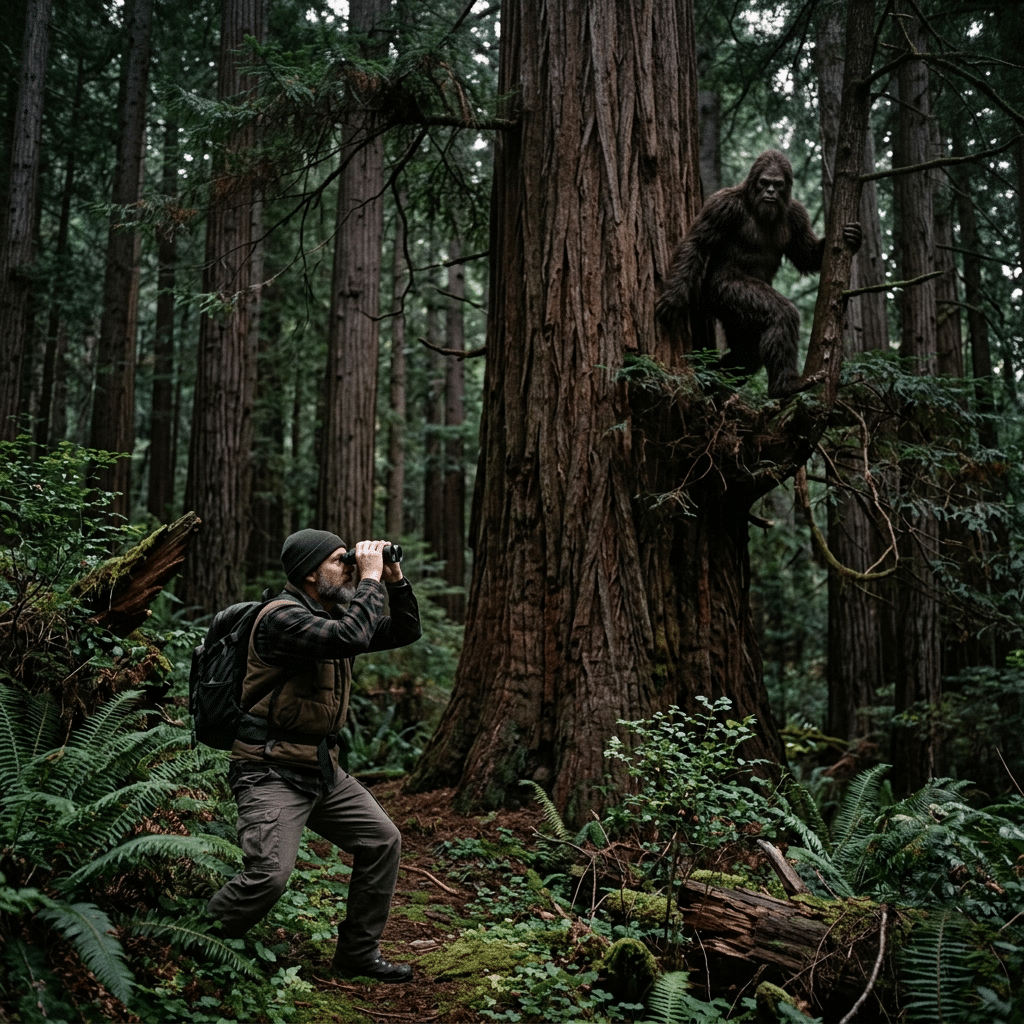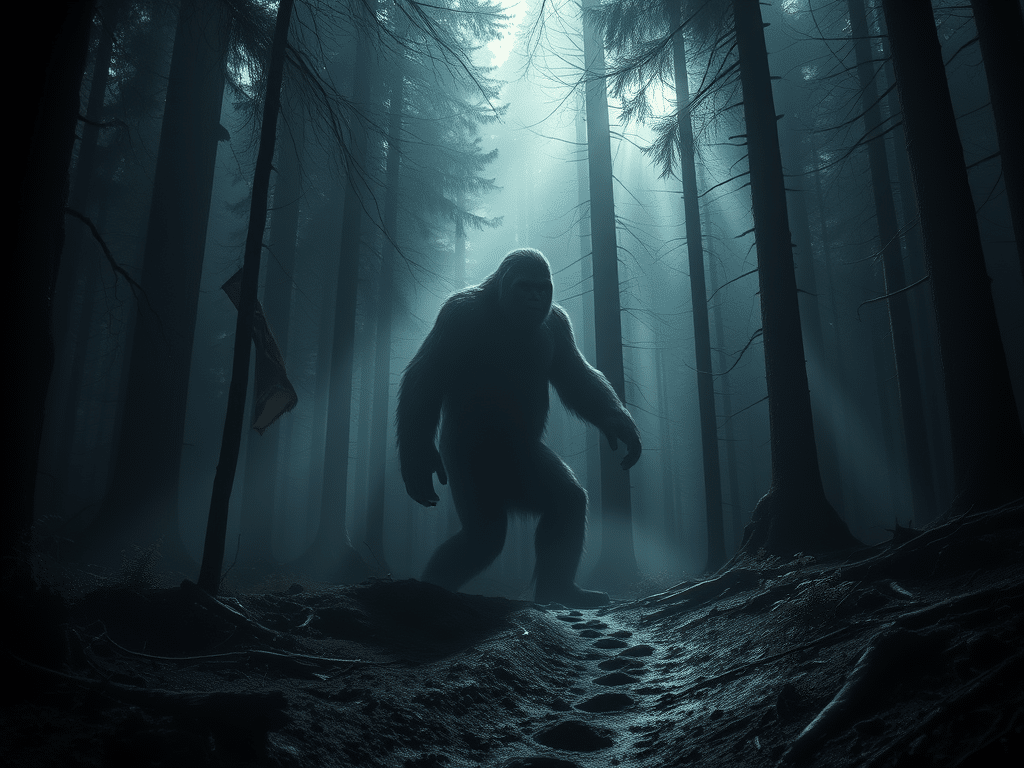
The world of cryptozoology represents one of humanity’s most enduring fascinations with the unknown. From the misty peaks of the Himalayas to the dense forests of Kentucky, from ancient cave systems to modern urban legends, stories of mysterious bipedal creatures have captivated human imagination across cultures and centuries. The Connect Paranormal Blog has extensively documented these encounters, creating a comprehensive archive that spans geographical boundaries and explores the intersection of folklore, psychology, and unexplained phenomena. This essay examines the diverse landscape of cryptid encounters as documented through Connect Paranormal’s extensive research, revealing patterns that suggest either a remarkable global phenomenon or a universal human need to populate wilderness areas with mysterious beings.
North American Bigfoot: Regional Diversity and Historical Depth
The North American Bigfoot phenomenon forms the cornerstone of modern cryptid research, with Indiana’s Bigfoot: Myths, Sightings, and Cultural Impact demonstrating how these legends have become deeply embedded in regional identity. The Hoosier State’s encounters, documented since the 1970s in locations like Brown County and the Hoosier National Forest, illustrate the consistent physical descriptions that appear across sightings: seven- to nine-foot-tall creatures with dark matted hair, long arms, and distinctive footprints measuring 15-18 inches. These descriptions find echoes in Exploring Bigfoot: Oklahoma’s Mysterious Creature, where Cherokee and Choctaw oral traditions merge with modern sightings in the Kiamichi Mountains, creating a cultural phenomenon that has spawned festivals and significantly impacted local tourism economies.
Historical accounts provide particularly intriguing evidence for the longevity of these legends. The Brownsville Gorilla Incident: A 19th Century Mystery recounts an 1892 Kentucky event where residents reported a gorilla prowling the streets at night, forcing townspeople to bar their doors and windows. This account is especially significant because it predates the popularization of the Bigfoot term by more than half a century, suggesting that these encounters represent something more than modern media-driven hysteria. Similarly, Ape Canyon: Bigfoot’s Origins Revealed examines one of the foundational events in Bigfoot lore, where miners in 1924 reported being attacked by ape-men at Mount St. Helens, an incident that helped establish the Pacific Northwest as Bigfoot’s archetypal habitat.
Some of the most compelling modern cases demonstrate the psychological trauma these encounters can inflict. Spottsville Monster: The Unsolved Cryptid Mystery of Kentucky details the Nunnelly family’s eleven-month ordeal in 1975 with an eight-foot creature that featured glowing red eyes and communicated telepathically. The encounter was so disturbing that it forced the family to abandon their home, while the neighbor who tried to help them suffered a heart attack that he attributed to the psychological stress of the experience. This case exemplifies how Bigfoot encounters transcend simple wildlife misidentification, often involving elements that challenge conventional explanations and leave lasting psychological impacts on witnesses.
Regional variations add complexity to the Bigfoot narrative. Uncovering the Mystery of Bigfoot in Michigan explores sightings in the Great Lakes region, while Tennessee Wildman: Darker Side of Bigfoot Folklore examines accounts that portray these creatures as more aggressive and dangerous than the typically reclusive Pacific Northwest Sasquatch. The southern variant, often called the Skunk Ape as documented in Skunk Ape: Bigfoot in the American South?, is described as smaller and adapted to swamp environments, suggesting either genuine biodiversity among unknown primate species or regional cultural variations in interpreting ambiguous encounters.
Specific locations have become synonymous with cryptid activity. Bigfoot Sightings and Legends at Mount Shasta examines how this California mountain has become a nexus for both Bigfoot encounters and broader paranormal phenomena, including UFO sightings and interdimensional portal theories. The mountain’s geological features and spiritual significance to indigenous peoples create a rich context for these reports. Similarly, Paranormal Mysteries of the Great Smoky Mountains documents how America’s most visited national park has accumulated decades of cryptid sightings alongside other unexplained phenomena.
The cave connection represents one of the most intriguing aspects of Bigfoot research. Bigfoot in Caves: Mythology and Mystery explores how underground systems might provide ideal shelter for large, elusive creatures, offering concealment, stable temperatures, and interconnected passages that could explain how these beings appear and disappear without leaving consistent surface traces. The article notes that cave explorers have reported finding what appear to be nesting sites lined with organic material and enormous footprints pressed into cave sediments. This theory gains additional credibility when considering the extensive cave systems in areas with high Bigfoot activity, such as Kentucky’s Mammoth Cave region and the Pacific Northwest’s volcanic caverns.
The darker implications of Bigfoot encounters cannot be ignored. Bigfoot’s Dark Connection to Serial Killers examines the disturbing intersection between cryptid sightings and violent crime, noting that serial killers Charles Starkweather and Cary Stayner both reported Bigfoot encounters. Starkweather described a creature at his bedroom window in Lincoln, Nebraska, before his 1957-1958 killing spree, while Stayner claimed to have seen Bigfoot in Yosemite, where he later murdered four women. This connection raises unsettling questions about whether familiarity with remote wilderness areas, psychological profiles prone to unusual perceptual experiences, or some other factor links cryptid encounters with violent behavior.
Even more disturbing are reports linking Bigfoot to human disappearances. The article notes that some witnesses have claimed to see creatures carrying human forms into cave entrances in wilderness areas, though these accounts remain unsubstantiated and controversial. Kidnapped and Trapped: The Mysterious World of Bigfoot Captivity Narratives explore these darker stories, where individuals claim to have been abducted by Bigfoot creatures and held in remote locations before somehow escaping or being released.

Global Cryptids: Cultural Variations on a Universal Theme
The international scope of bipedal cryptid reports suggests either a worldwide phenomenon or a universal human archetype. Hibagon vs Bigfoot: Unique Traits of Japan’s Cryptid examines Japan’s version of Bigfoot, first reported near Mount Hiba in 1970. The Hibagon is notably smaller than its North American cousin, standing only five to six feet tall, with a distinctive triangular face. This regional variation mirrors other global reports documented in Bigfoot Around the Globe: Exploring Sasquatch Type Creatures Worldwide, which catalogs similar creatures from every inhabited continent.
The Himalayan Yeti represents perhaps the most culturally significant cryptid outside North America. Yeti Attacks: Danger and Violence in Himalayan Folklore documents how this creature holds deep spiritual significance for Sherpa and Tibetan communities, who view it as both a dangerous entity and a mountain guardian. The 1974 Machhermo incident, where Sherpa woman Lhakpa Dolma was allegedly attacked after a yeti killed her yaks, remains one of the most documented cases with multiple witnesses. Unraveling the Myth of the Yeti: From Ancient Legends to Mountaineering Mystique traces how Western mountaineers transformed indigenous spiritual beliefs into a cryptozoological quest, while Exploring the Rules of Yeti Hunting in Nepal examines the legal frameworks that have developed around this legendary creature.
Scotland contributes its own unique cryptid to the global phenomenon. The Enigmatic Big Grey Man of Scotland documents Am Fear Liath Mòr, the Grey Man of Ben Macdui, described as a towering humanoid figure between ten and twenty feet tall that has terrorized experienced climbers on Scotland’s second-highest mountain for over a century. Unlike other cryptids, the Big Grey Man is characterized less by direct sightings and more by heavy footsteps following climbers and an overwhelming sense of dread that drives them from the mountain in panic. The phenomenon gained credibility in 1925 when Professor Norman Collie publicly described his 1891 encounter, and numerous experienced mountaineers have since reported similar experiences. Scientific theories including the Brocken spectre effect and infrasound-triggered anxiety, struggle to fully explain the consistency of these reports across decades.
Central Asian variants add further complexity. The Legend of the Almas: Bigfoot in Central Asia? explores reports of more human-like creatures from Mongolia and surrounding regions, while Chasing the Shadows of the Abominable: Russia’s Ongoing Search for the Elusive Yeti documents Soviet-era and contemporary Russian expeditions seeking these beings in Siberian wilderness.
China’s contribution to cryptid lore appears in Yeren Legends: Cryptids of Central China Explored, which examines reports of wildmen from remote mountainous provinces. Australia’s entry comes through The Yowie: Australia’s Enigmatic Cryptid Explained, documenting a creature from Aboriginal folklore that has been reported across the continent’s wilderness areas.
Even war zones have produced cryptid encounters. Rock Apes: Cryptid Encounters in Vietnam’s Jungle examines reports from American soldiers during the Vietnam War who described aggressive, bipedal ape-like creatures that attacked patrols and seemed to possess intelligence beyond known primates. These accounts are particularly compelling because they come from trained military observers under extreme stress, conditions that might either heighten perceptual accuracy or create misidentifications of known species.
Regional American cryptids demonstrate local variations on the Bigfoot theme. Wood Booger Legends: Myths of Appalachia Explored examines Appalachian folklore surrounding forest creatures, while Mogollon Monster: Arizona’s Elusive Cryptid documents sightings from the Southwest. Fouke Monster: A Deep Dive into Cryptid Folklore analyzes Arkansas’s contribution to cryptid lore, a creature made famous by the 1972 documentary-style film that helped popularize Bigfoot in American culture. Chatawa Monster: Mississippi Bigfoot explores southern encounters that some witnesses claim involve creatures more aggressive than typical Bigfoot reports.

National Parks, Volcanoes, and Governmental Recognition
The connection between cryptids and specific wilderness areas extends to national parks. Paranormal Yellowstone National Park: A Journey into the Park’s Supernatural and Ghostly Side documents how America’s first national park has accumulated not only Bigfoot sightings but numerous other unexplained phenomena. Paranormal Encounters in Crater Lake National Park examines Oregon’s deepest lake and surrounding wilderness, where Native American spiritual traditions intersect with modern cryptid reports. Zion National Park: History, Legends, and Paranormal Activity explores how Utah’s stunning canyon landscape has generated its own collection of mysterious encounters. Exploring Mount Rainier’s Paranormal Mysteries documents reports from Washington’s iconic volcanic peak, while Exploring Black Star Canyon: Ghosts, Cults, and Cryptids examines how Southern California’s remote canyons harbor their own collection of unexplained phenomena.
The volcanic connection to Bigfoot encounters deserves special attention. Bigfoot Bodies at Mt. St. Helens: The Legend Explained investigates persistent rumors that the 1980 volcanic eruption killed multiple Bigfoot creatures, whose bodies were allegedly recovered and suppressed by government authorities. While lacking credible evidence, these stories raise questions about how such legends develop and why they persist despite official denials. The article connects to broader themes explored in Bigfoot Conspiracy: Exploring the Improbable Government Cover-Up Claims, which analyzes why some researchers believe authorities possess proof of Bigfoot’s existence but actively conceal it from the public.
Official government acknowledgment of Bigfoot, however limited, provides fascinating context. The 1975 Washington Environmental Atlas: Bigfoot’s Official Recognition documents how a federal government publication once included Bigfoot as a potentially real species requiring environmental consideration, representing perhaps the closest any official body has come to treating the creature as something more than folklore.
Specific regional encounters involving multiple cryptid types suggest complex ecosystems of unknown creatures. Mogollon Rim: Encounters with Dogman and Bigfoot examines Arizona’s high country where witnesses report both ape-like and canine-like bipedal creatures. Encounters with Bigfoot, Dogman, and Wendigo: Nature’s Mysterious Beasts analyzes how different cryptid types sometimes appear in the same geographic areas, raising questions about whether witnesses are encountering genuinely different species or interpreting similar phenomena through different cultural lenses.
The Dogman phenomenon itself represents a distinct branch of cryptid research. Missouri Bigfoot vs Dogman War: Witness Accounts documents extraordinary claims that two different cryptid species engaged in territorial conflicts witnessed by humans, while Dogmen of Brooklyn, Illinois: An Interview with Russ Egnew presents firsthand accounts from an area where canine-like bipedal creatures have been reported near urban environments.
Illinois, despite its reputation as primarily agricultural and urban, has generated surprising cryptid activity. Illinois Bigfoot: Sasquatch in the Land of Lincoln documents sightings from across the state, while Bigfoot and Dogmen in West Central Illinois: Richard Mason Interview presents testimony from a researcher who has investigated both creature types. Bigfoot Class B Encounters Near Jim Edgar State Wildlife Refuge: Martin Stiltz Interview examines Class B encounters involving indirect evidence like vocalizations, tree structures, and footprints rather than direct sightings. Argyle Lake State Park: Paranormal Encounters at Atkinson-McCord Cemetery documents how some locations generate both cryptid and ghost reports, suggesting either multiple types of paranormal phenomena or witnesses interpreting ambiguous experiences through available cultural frameworks.
The Alaska Triangle represents perhaps the most mysterious region for disappearances and unexplained phenomena. Alaska Triangle: Disappearances and Paranormal Theories examines how Alaska’s vast wilderness has generated thousands of missing person cases, some of which researchers have tentatively linked to Bigfoot or other unknown predators. The article explores whether the sheer scale of uninhabited territory, extreme environmental conditions, or something genuinely anomalous explains the disproportionate number of people who vanish without trace in this region.
Cultural Depth: Indigenous Traditions, Appalachian Lore, and Religious Frameworks
Appalachian cryptid lore deserves special attention for its depth and cultural significance. Legends of Giants in Appalachia: From Native Tales to Cryptid Encounters traces how Cherokee and other indigenous traditions describing giant beings may connect to modern Bigfoot reports. Hidden Folk in Appalachia: Faeries, Witches, and Werewolves examines how Appalachian folklore encompasses multiple types of mysterious beings, creating a rich supernatural landscape where Bigfoot exists alongside other traditional creatures from European and Native American traditions. Exploring Trolls in Norse Mythology: Chaos and Nature provides comparative context by examining how Scandinavian wilderness traditions created similar forest-dwelling giants and monsters.
The interdimensional and paranormal theories surrounding Bigfoot challenge conventional cryptozoological frameworks. Bigfoot and Portals: Unveiling the Interdimensional Theory explores claims that these creatures may not be biological entities at all but rather beings that move between dimensions, explaining why physical evidence remains so elusive. Paranormal Portals: Unraveling the Mysteries examines the broader phenomenon of locations where multiple types of paranormal activity concentrate, suggesting possible connections between cryptid sightings, UFO encounters, and other unexplained events. Vanished into Faerie Portals: Could Bigfoot Be a Fae Creature? presents the provocative theory that Bigfoot might be related to fairy folk from European tradition rather than an undiscovered primate species.
Religious and mythological frameworks provide alternative interpretations. Dark Bigfoot: Nephilim, Demon, and Alien Origins examines theories that link Bigfoot to biblical Nephilim giants, demonic entities, or extraterrestrial visitors. Mormon Bigfoot: The Connection to Cain explores how Latter-day Saints folklore has incorporated Bigfoot into religious narratives, with some believers suggesting these creatures are related to Cain from the biblical account of Abel’s murder. Nephilim Giants: Legends of Power and Chaos provides context for understanding how ancient giant traditions might relate to modern cryptid reports. Bigfoot and Noah’s Ark: Analyzing the Sasquatch-Flood Narrative examines claims by some religious believers that Bigfoot represents a species that either survived the biblical flood outside the ark or descended from creatures that were aboard it.
Ancient historical connections provide fascinating depth. Enkidu and Bigfoot: Mythical Figures and the Human Obsession with Wildness compares the Epic of Gilgamesh’s wild man character to modern Bigfoot, suggesting continuity in human conceptions of beings that bridge the gap between civilization and nature. Alexander the Great and the Yeti: Journey into the Myths of the Himalayas documents ancient Greek accounts of hairy wild men encountered during Alexander’s Asian campaigns, providing some of the earliest written references to Yeti-like creatures. The Evolution of Ancient Creatures: Myths to Modern Monsters traces how ancient monster traditions have transformed into contemporary cryptid narratives.
Media, Evidence, and Methodological Challenges
The role of media in shaping cryptid beliefs cannot be overstated. From Wild Men to Bigfoot: Media’s Evolving Myths examines how newspaper accounts, films, and television transformed scattered regional folklore into a unified national phenomenon. The Birth of Bigfoot: A Study in American Folklore and Media Influence analyzes how the modern Bigfoot concept emerged from the 1958 events at Bluff Creek, California, when road construction worker Jerry Crew reported finding large footprints, generating national media attention that crystallized previously disparate wild man reports into a unified cryptid narrative.
The relationship between Bigfoot and domestic animals provides intriguing behavioral evidence. Bigfoot and Dogs documents how canines reportedly react to Bigfoot presence with extreme fear, often refusing to enter certain areas or exhibiting panic behaviors that their owners find inexplicable. These reactions are significant because dogs can detect threats humans cannot perceive, suggesting that something genuinely present triggers these responses, whether a genuine unknown creature or something more mundane like bears that domestic dogs find terrifying.
Weather connections add another layer of mystery. Bigfoot and Hurricanes: Uncovering the Mysteries explores patterns suggesting increased Bigfoot sightings follow major storms, possibly because extreme weather forces creatures from deep wilderness into areas closer to human habitation, or because storm damage makes wilderness travel easier for researchers seeking evidence.
The photographic evidence problem remains central to cryptid debates. Blurry Photos and the Paranormal examines why virtually all cryptid photographs lack clarity, analyzing whether this results from the difficulty of capturing fast-moving subjects in challenging conditions, the ease of dismissing clear photos as hoaxes, or something more mysterious about the creatures themselves that prevents clear documentation.
Scholarly and scientific perspectives provide important context. Ivan Sanderson’s Insight on Snowmen Legends examines the work of this pioneering cryptozoologist who proposed systematic frameworks for understanding unknown primate reports. Defining Cryptozoology explores the field’s methodology and its contentious relationship with mainstream zoology. Understanding Credible Sources in Cryptozoology analyzes how researchers evaluate witness testimony and physical evidence in a field lacking conventional scientific validation.
Comparative analysis between major cryptids illuminates patterns and variations. Bigfoot vs Yeti: Myths and Cultural Significance contrasts North American and Himalayan traditions, noting how cultural contexts shape interpretations of similar phenomena. The article explores whether these represent genuinely different species adapted to different environments or variations on a universal archetype that humans project onto wilderness experiences.
The intersection between indigenous traditions and modern cryptozoology raises important cultural questions. The Intersection of Bigfoot Mythology and Native American Culture examines how mainstream cryptozoology has appropriated and sometimes misrepresented indigenous traditions about forest beings. Many Native American communities have complex spiritual relationships with entities that outsiders simplistically equate with Bigfoot, and this article explores the tensions between indigenous knowledge systems and Western scientific frameworks.
Mount Shasta represents a particularly complex nexus of paranormal claims. Mount Shasta’s Mysteries: Exploring Otherworldly Legends & Paranormal Claims documents how this California peak has become associated not only with Bigfoot but also with underground civilizations, UFOs, interdimensional portals, and spiritual phenomena, creating a concentrated area of alternative beliefs that challenge mainstream understanding.
Practical Research and Ethical Considerations
Practical considerations for those interested in Bigfoot research appear in several articles. Bigfoot Hunting: A How to Do It Guide to Catch Sasquatch provides methodology for field research, while Bigfoot Hotspots in North America identifies locations with concentrations of reported activity. These practical guides serve both serious researchers and enthusiasts, outlining techniques for documenting potential evidence while respecting wilderness areas.
The ethical dimension of cryptid research receives attention in Should We Kill Bigfoot? Ethical Considerations, which examines the controversial question of whether obtaining a specimen for scientific verification would justify killing what might be an intelligent, possibly endangered species. The article explores how this debate reveals fundamental tensions between scientific methodology, which traditionally requires physical specimens, and ethical frameworks that increasingly recognize non-human consciousness and environmental protection.
The reasons for continued failure to definitively prove Bigfoot’s existence receive analysis in 10 Reasons Why We Can’t Find Bigfoot and Other Cryptid Species, which examines factors ranging from the vast scale of wilderness areas and limitations of human search capacity to the possibility that no such creatures exist. The article presents both believer and skeptic perspectives, acknowledging that some explanations assume Bigfoot’s reality while others explain reports through misidentification and human psychology.
Mysterious cave encounters add depth to the phenomenon. Bigfoot Encounter: The Mystery of Vanishing Caves documents reports of witnesses who claim to have found caves containing Bigfoot evidence but were unable to relocate these locations on subsequent visits, raising questions about whether memory distortion, deliberate misdirection, or something more mysterious explains these recurring stories.
Conclusion: Patterns, Significance, and Enduring Mystery
The cumulative effect of examining these diverse reports, spanning continents and cultures, reveals several striking patterns. Physical descriptions remain remarkably consistent across unconnected witnesses and time periods, suggesting either a real phenomenon or deeply embedded cultural archetypes. The psychological effects on witnesses demonstrate genuine trauma that skeptics struggle to explain through simple misidentification. The concentration of reports in specific geographic areas with particular environmental features suggests patterns worthy of investigation regardless of ultimate explanations. The intersection with other paranormal phenomena raises questions about whether cryptids represent one category within a broader spectrum of unexplained experiences or whether witnesses tend to interpret ambiguous encounters through available cultural frameworks.
Ultimately, the Bigfoot phenomenon and its global variations represent something significant about the human relationship with wilderness and the unknown. Whether these creatures exist as biological entities, interdimensional visitors, misidentified known animals, or purely psychological phenomena, they occupy an important space in modern culture. They remind us that despite satellites, GPS, and extensive mapping, vast areas remain effectively unexplored at ground level. They embody anxieties about environmental destruction and the loss of wild places. They represent the enduring human need for mystery in an increasingly rationalized world. And they demonstrate that eyewitness testimony, while scientifically problematic, carries psychological and cultural weight that cannot be simply dismissed.
The Connect Paranormal Blog’s extensive documentation of these encounters serves an important function regardless of one’s beliefs about cryptid reality. It preserves accounts that might otherwise be lost, provides context for understanding how these narratives develop and spread, and creates a resource for both believers seeking validation and skeptics seeking to understand why these stories persist. The articles demonstrate scholarly rigor in research while remaining open to possibilities that mainstream science rejects, occupying a middle ground between uncritical acceptance and dismissive skepticism. This approach acknowledges that genuine mysteries remain in our world, that human experience includes encounters that resist easy explanation, and that the boundaries between folklore, psychology, and potential zoological discovery remain productively blurry.