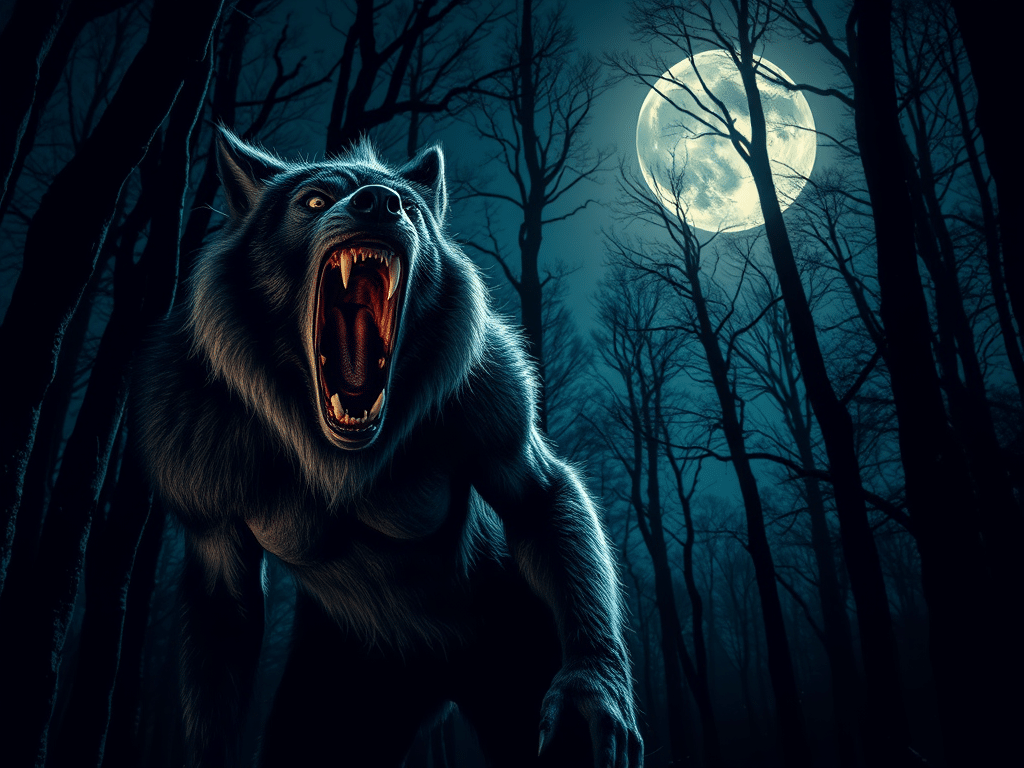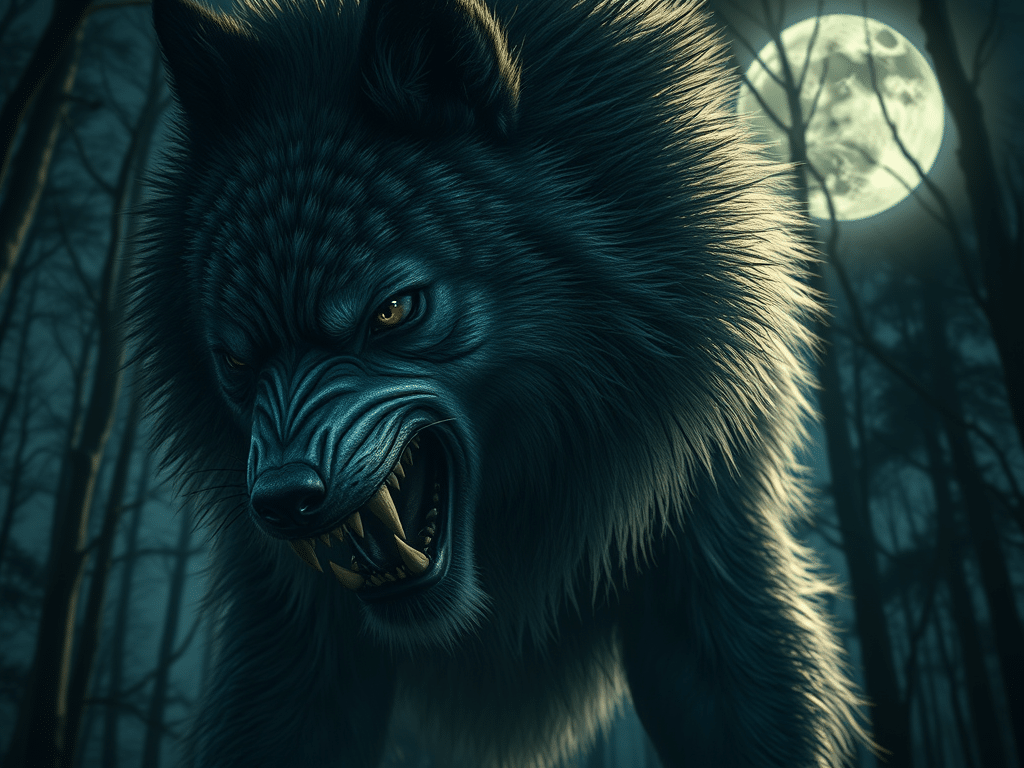
Werewolf legends have captivated human imagination across cultures and centuries, evolving from ancient supernatural beings into complex symbols reflecting our deepest fears and fascinations. The Connect Paranormal Blog offers a comprehensive exploration of lycanthropy in its many forms, from historical accounts and regional variants to modern interpretations and theoretical hybrids. By examining the diverse manifestations of werewolf mythology documented across different geographical locations, times, and cultural contexts, we can better understand how these shapeshifting creatures continue to prowl the boundaries between human civilization and wild nature, between rational explanation and inexplicable mystery.
The foundational understanding of werewolf mythology begins with its ancient roots, as explored in Ancient Werewolf Legends from Around the World: A Global History of Lycanthropy. These primordial stories established the framework for transformation narratives that would endure for millennia. The evolution of these legends is traced in articles examining how werewolf stories adapted to changing societal contexts while maintaining their core symbolic power. Understanding this historical progression is essential before examining specific regional and cultural variations.
Traditional European werewolf legends represent perhaps the most well-known manifestation of lycanthropy. Werewolf Legends: From Ancient Myths to Modern Culture provides a comprehensive overview of how these creatures evolved from objects of genuine terror to complex symbols of transformation and human duality. The dark history of persecution is documented in The Historical Persecution of Werewolves: A Dark Chapter in European History, which examines the tragic intersection of folklore and judicial violence during periods of mass hysteria. Specific historical cases are explored in analyses of whether accused werewolves were misunderstood individuals suffering from medical conditions or genuine supernatural encounters.
Classical antiquity contributed significantly to werewolf mythology, as detailed in Plato’s Werewolf: Ancient Greek Beliefs about Lycanthropy. These ancient civilizations developed sophisticated narratives around transformation, including the tale of King Lycaon, which gave us the term lycanthropy. The spread of these concepts through medieval society is examined in various articles where werewolves became increasingly associated with demonic forces and religious persecution. The medical and psychological understanding of these beliefs is explored in Rabies: The Real Monster Behind Werewolf Legend.

European Regional Legends and Historical Sites
Specific European legends showcase the diversity of werewolf lore across the continent. The Beast of Gévaudan: Unmasking the Dark Cult Theory recounts one of history’s most notorious cases, where a wolf-like creature terrorized rural France in the 1760s. Similarly, The Wolf of Ansbach: History and Myths Revealed examines another famous European werewolf that became deeply embedded in local folklore. The connection between lycanthropy and medieval nobility is explored through Sir Marrock: The Noble Werewolf of Arthurian Legend, which presents a rare sympathetic portrayal of a werewolf within chivalric romance.
Historical sites associated with werewolf legends continue to generate supernatural reports. Moosham Castle: Witch Trials and Supernatural Events documents the dark history of this Austrian fortress where accused werewolves and witches faced persecution, and where paranormal activity persists to the present day. The Mystique of Cochem Castle: History and Hauntings explores another European location with werewolf connections. The intersection of werewolf legends with other supernatural phenomena is explored in locations like Argyle Lake State Park: Paranormal Encounters at Atkinson-McCord Cemetery, where visitors report encounters with various cryptids, including werewolf-like creatures.
North American Werewolf Traditions
North American werewolf traditions present fascinating regional variations distinct from European archetypes. Indigenous shapeshifter legends that predate European colonization are explored in Exploring Skinwalker Legends in the Grand Canyon, while Encounters with Bigfoot, Dogman, and Wendigo: Nature’s Mysterious Beasts explores the Algonquian legend of a creature that embodies both transformation and insatiable hunger. These indigenous traditions offer fundamentally different perspectives on shapeshifting, often viewing it through spiritual rather than cursed frameworks.
Regional American variants demonstrate how European werewolf legends merged with local folklore to create uniquely American creatures. The Rougarou: Louisiana’s Enigmatic Folklore Monster examines how French werewolf traditions evolved in the Cajun context. The Midwest has generated particularly rich werewolf lore, documented in Michigan Dogman: A Mysterious Cryptid of the Great Lakes State and Werewolf and Dogman Sightings in Michigan. These modern sightings of bipedal canine creatures continue to perplex witnesses and investigators alike.
State-specific investigations reveal concentrations of werewolf-type encounters across America. Chilling Dogman and Werewolf Stories from Minnesota presents northern encounters, while Werewolves in Kentucky: Folklore, Sightings, and Cultural Impact documents reports from the Commonwealth. Specific wilderness areas also feature prominently in reports, as explored in Mogollon Rim: Encounters with Dogman and Bigfoo
The Dogman Phenomenon and Cryptid Encounters
The term “dogman” has emerged to describe a specific type of werewolf-like cryptid reported primarily in North America. Dogman Encounters in the Redwoods of Northern California: A Survivor’s Tale presents firsthand testimony of an encounter with these creatures. Dogman of the Blackwood Forest explores another reported hotspot for these beings. The distinction between dogmen and werewolves is analyzed in Werewolves vs. Dogmen: Unraveling the Mysterious Differences.
Ancient civilizations developed their own werewolf-adjacent traditions. Exploring Dogmen and Werewolves in Ancient Egypt examines how Egyptian mythology incorporated canine-headed deities and shapeshifters. Cultural variations in shapeshifter mythology demonstrate that transformation legends appear in virtually every human society, adapted to local predators and cultural context
Theoretical Werewolf Variants and Hybrid Concepts
Mesoamerican cultures developed particularly sophisticated shapeshifter traditions. The Werejaguar: A Legendary Mesoamerican Shapeshifter and Exploring Mesoamerican Lycanthropy and Werejaguars explore how Olmec, Maya, and Aztec civilizations incorporated jaguar transformation into their religious and political systems. This demonstrates that lycanthropy need not be limited to wolves but can encompass any predator species significant to a particular culture.
Urban environments have generated their own lycanthropic variants. Understanding Wererats: Urban Lycanthropy Explained examines how lycanthropy adapted to city environments, with wererats representing the perfect marriage of human cunning and rodent adaptability. These creatures thrive in sewers and forgotten urban spaces, creating sophisticated underground societies that parallel but remain hidden from human civilization above.
Theoretical and hybrid werewolf concepts expand the mythology in intriguing directions. Understanding Werewolf Ghosts: Myths, Powers, and Peace explores the concept of spirits of deceased werewolves trapped between worlds, combining ghostly and lycanthropic attributes. The speculative article What If Dire Wolves Led to Dire Werewolves? imagines how the revival of extinct dire wolves through de-extinction science might theoretically lead to a more formidable variant of werewolf. These creative explorations demonstrate how werewolf mythology continues to evolve in response to scientific developments and changing cultural concerns.
The broader context of creature evolution is examined in The Evolution of Ancient Creatures: Myths to Modern Monsters, which places werewolves alongside other legendary beings like sea monsters and surviving dinosaurs. This comparative approach reveals common patterns in how humans create and maintain monster myths across different environmental and cultural context.

Werewolves and the Supernatural Ecosystem
The relationship between werewolves and other supernatural entities has generated significant folklore. The Myths of Werewolves and Witches: A Historical Perspective examines how these two categories of supernatural beings became intertwined in European persecution narratives. Hidden Folk in Appalachia: Faeries, Witches, and Werewolves further explores this relationship in an American context, revealing how shapeshifting was often attributed to witchcraft in medieval and early modern Europe.
The relationship between religious figures and lycanthropy is examined in Exploring Duality: Clergy as Werewolves in Folklore, which investigates how different religious traditions have interpreted lycanthropy and the symbolic significance of holy figures transformed into monsters.
Government conspiracy theories occasionally intersect with werewolf lore, as explored in The LBL Beast: Government Secrets Uncovered, which investigates allegations of official knowledge regarding cryptid creatures, including werewolf-type entities, in Kentucky’s Land Between the Lakes region.
Understanding Lycanthropy: Science, Psychology, and Identification
Understanding the mechanics and symptoms of lycanthropy has long fascinated both believers and skeptics. 10 Signs You Might Be Living with a Werewolf: Clues to Recognizing a Real-Life Lycanthrope compiles traditional methods for recognizing werewolves in human form. Becoming Werewolf: Transformation to Lycanthropy Methods examines various transmission methods from folklore, while Maledictive Lycanthropy: Werewolf Curses explores how lycanthropy came to be viewed as a curse rather than a gift or natural condition.
The transformation process itself has been subject to extensive mythological elaboration. Various articles examine how transformation narratives have evolved across different cultural contexts and time periods. The iconic connection between werewolves and lunar cycles is part of widespread folklore, while the biological reality is explored in scientific analyses.
Scientific and medical perspectives on werewolf beliefs offer alternative explanations for historical accounts. Rabies: The Real Monster Behind Werewolf Legends examines whether biological mechanisms could account for transformation legends. The practical implications of lycanthropy are humorously explored in Ten Reasons Being a Werewolf Would Be Bad.
Psychological explanations for werewolf beliefs examine cognitive and cultural factors that perpetuate these legends. An intriguing modern connection is explored in Understanding Lycanthropy and Alcoholism: A Deeper Connection, which draws parallels between the loss of control in werewolf transformation and substance addiction.
Social dynamics among werewolves have generated their own mythology, with pack structures in werewolf fiction often mirroring wolf social organization. Methods for combating werewolves have evolved alongside the legends themselves. The most famous werewolf-killing method is examined in Werewolves: Myths, Silver Bullets, and Their Cultural Significance, which traces how silver became associated with werewolf vulnerabilities.
Historical Cases and Regional Variations
Specific historical cases provide concrete examples of how werewolf beliefs manifested in different cultures. The Peter Stumpp Werewolf Trial: Werewolves of Medieval History examines one of the most notorious werewolf trials in European history. Versipellis: The Roman Werewolf and Its Cultural Impact explores how ancient Rome understood and represented shapeshifting.
Regional variations demonstrate remarkable diversity in werewolf traditions. Norse Werewolves: Viking Lycanthropy Myths and Werewolves in Norse Mythology explore Scandinavian berserker traditions. Exploring Estonia’s Mysterious Werewolf History and Werewolves Culture examines Baltic traditions, while Conriocht Werewolves: The Shape-shifitng Werewolf Creatures of Irish Folklore explores Celtic variants.
South American traditions are examined in El Lobizón: The Argentine Werewolf, demonstrating how European werewolf beliefs adapted to New World contexts. African traditions are explored in The Werehyena: Symbolism and Social Dynamics in Folklore.
Local Encounters and Modern Sightings
Contemporary encounters continue to generate werewolf reports across North America. Dogmen Encounters: Brooklyn’s Werewolf Tales and Dogmen of Brooklyn, Illinois: An Interview with Russ Egnew document urban sightings. Dogmen and Werewolf Stories of NW Ohio and The Unsolved Werewolf Mysteries of Defiance, Ohio explore Midwestern reports.
Regional investigations include Werewolves in West Illinois: Brandy Snyder’s Encounter and Bigfoot and Dogmen in West Central Illinois: Richard Mason Interview. The fascinating article Missouri Bigfoot vs Dogman War: Witness Accounts explores alleged territorial conflicts between different cryptid species.
National parks feature prominently in modern reports, as documented in Exploring Werewolves and Dogmen in National Parks. Specific locations like Werewolf or Dogman Encounter, Argyle Lake State Park in Illinois, 1985 provide detailed accounts of individual encounters.
British encounters are explored in Cannock Chase: Home of Werewolves and Supernatural Portals, demonstrating that modern sightings are not limited to North America.
Cultural Analysis and Broader Context
Academic approaches to werewolf mythology provide valuable context. The Book of Werewolves: A Comprehensive Analysis of Sabine Baring-Gould’s Werewolf Tome examines one of the foundational texts in werewolf studies. Understanding Transformation in ‘Human Animals’ by Frank Hamel explores another important scholarly work.
Gender dynamics in werewolf legends are examined in Medieval Werewolf Tales: Unveiling Misogyny and Gender Dynamics, revealing how these stories reflected and reinforced social hierarchies. Religious connections are explored in Knights Templar History: Myth of Werewolves Revealed.
The psychology of werewolf beliefs is examined in Werewolf Cults: Urban Legends and Psychological Appeal. Werewolf Superstition Origins traces how these beliefs developed and spread.
Related supernatural phenomena are explored in articles like Plato: Atlantis, Werewolves, and Ghosts – Reality or Rhetoric? and Exploring the Devil: Origins and Cultural Significance Podcast, placing werewolf beliefs within broader contexts of supernatural though,
Special Werewolf Variants
Unique werewolf types demonstrate the diversity of lycanthropic traditions. Understanding Werebears: The Guardians of Nature explores bear shapeshifters. The Wulver, a Different Kind of Werewolf: Scotland’s Gentle Guardian presents a benevolent werewolf variant from Scottish folklore.
Unique cultural perspectives include Livonian Werewolf: Tale of the Wolf That Went to Hell to Fight the Devil, which presents a heroic werewolf narrative. Lycanthropy: More Than Werewolves and Werewolf or Lycanthrope: What is the Difference for Werewolves? explore terminological distinctions and variant forms.
Unexplained Connections and Speculative Theories
Some of the most intriguing articles explore unexpected connections. Exploring the Connection Between Werewolves and UFOs examines whether these seemingly disparate phenomena might be related. Exploring the Grand Canyon’s Mysteries: Paranormal Legends, Ghosts, and Lost Treasures places werewolf legends within broader paranormal contexts.
Cryptozoological comparisons include Dogmen in America: More than Werewolves and LBL Beast: Werewolf, Dogman, or Something Else?, which attempt to classify different cryptid types. The Beast of Bodmin Moor: UK Alien Big Cat explores whether some werewolf sightings might actually be misidentified exotic cats.
Even more speculative connections appear in Crazy Lost Roanoke Colony Theories: Aliens, Werewolves, Vampires, and More!, demonstrating how werewolf legends can intersect with historical mysteries.
Ethical considerations are explored in The Problem of Werewolf Hunting: Is it Ethical to Hunt Werewolves?, which examines the moral implications of pursuing creatures that may retain human consciousness.
Conclusion
The comprehensive exploration of werewolf lore presented across the Connect Paranormal Blog reveals lycanthropy as far more than simple monster stories. These legends represent humanity’s ongoing negotiation with wildness, both in the external environment and within ourselves. From the classical lycanthropes of ancient Greece and Rome to the dogmen of modern American forests, from the noble Sir Marrock to the urban wererats thriving in city sewers, werewolf mythology demonstrates remarkable adaptability while maintaining core symbolic elements. Whether understood as literal cryptids awaiting discovery, psychological projections of human fears and desires, or cultural metaphors addressing contemporary anxieties, werewolves continue to prowl the boundaries of human imagination. The persistence of werewolf legends across millennia and cultures testifies to their enduring power to articulate fundamental aspects of the human condition: our capacity for transformation, our struggle between reason and instinct, and our ambivalent relationship with the natural world from which civilization continually strives to distinguish itself.